Copilot Rewrites The Runtime Without A Flag Day
GitHub used agents to port Copilot's shared runtime from TypeScript to 832,000 lines of Rust. The more useful story is how it kept shipping throughout.
// Archive
Pieces filed under Developer Tools.
Browse
GitHub used agents to port Copilot's shared runtime from TypeScript to 832,000 lines of Rust. The more useful story is how it kept shipping throughout.
Rust's next borrow checker is now on nightly, giving developers a real shakeout period for flow-sensitive borrowing before stabilization.
GitHub's public preview of stacked pull requests turns a long-running review workaround into first-party developer workflow.
Red Hat Developer highlighted Anthony, a local AI voice-control layer that turns GNOME desktop actions into spoken commands.
Cloudflare's pvcli gives OHTTP, CONNECT proxying, and future MASQUE work a curl-like test harness for privacy-preserving protocols.
Auto-CPUFreq 3.1 adds GUI monitoring and tighter laptop power controls, turning Linux power tuning into something operators can inspect.
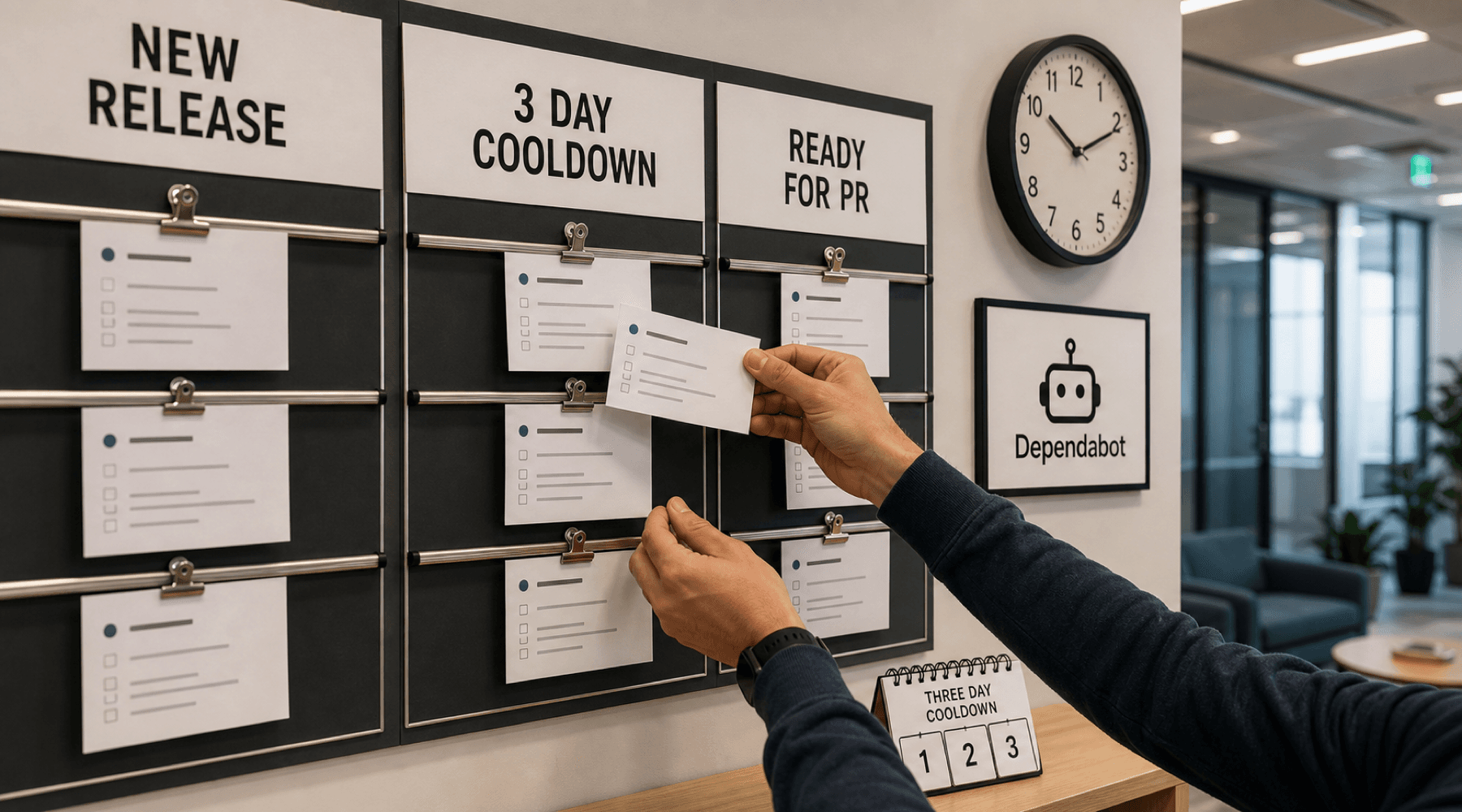
GitHub's new Dependabot cooldown waits three days before version-update pull requests, giving fresh package releases time to collect scrutiny.
PyPI now rejects new files on releases older than 14 days, narrowing a supply-chain path where a compromised publisher could poison a long-stable version.
Block's open-source Buzz puts humans, AI agents, workflows, and Git events into one signed workspace, with scoped agent identities instead of borrowed human accounts.
Microsoft's open-source Dusseldorf project turns out-of-band application security testing into private infrastructure for capturing DNS, HTTP, and HTTPS callbacks.
GNU Hurd's Q2 2026 work shows progress on AArch64, 9P file sharing, storage translators, POSIX cleanup, and an early Rust path for writing Hurd translators.
Mozilla AI's Llamafile 0.10.4 adds Transcribefile, pushing speech-to-text into the same portable single-file pattern that made local LLMs easier to move across machines.
Mistral's Robostral Navigate is an 8B embodied-navigation model that steers robots from plain-language instructions using one ordinary RGB camera instead of LiDAR, depth sensors, or multi-camera rigs.
TypeScript 7 is not just a faster compiler release. The Go-based native port changes the cost of type checking, editor diagnostics, watch mode, and build feedback for large JavaScript codebases.
ECMAScript 2026 is a standards release about practical pressure points: precise numeric sums, async collection construction, iterator composition, binary encoding helpers, map defaults, error checks, and finer JSON control.
Canonical's latest Ubuntu-on-ARM update is less about one flashy device and more about architecture parity: main archive delivery, Livepatch, Secure Boot laptop work, FEX-backed gaming, and a shrinking desktop software gap.
Box3D is a new open-source 3D physics engine from Box2D creator Erin Catto. The interesting part is not only another physics library. It is the attempt to make hard-won game simulation knowledge portable, inspectable, and reusable across projects.
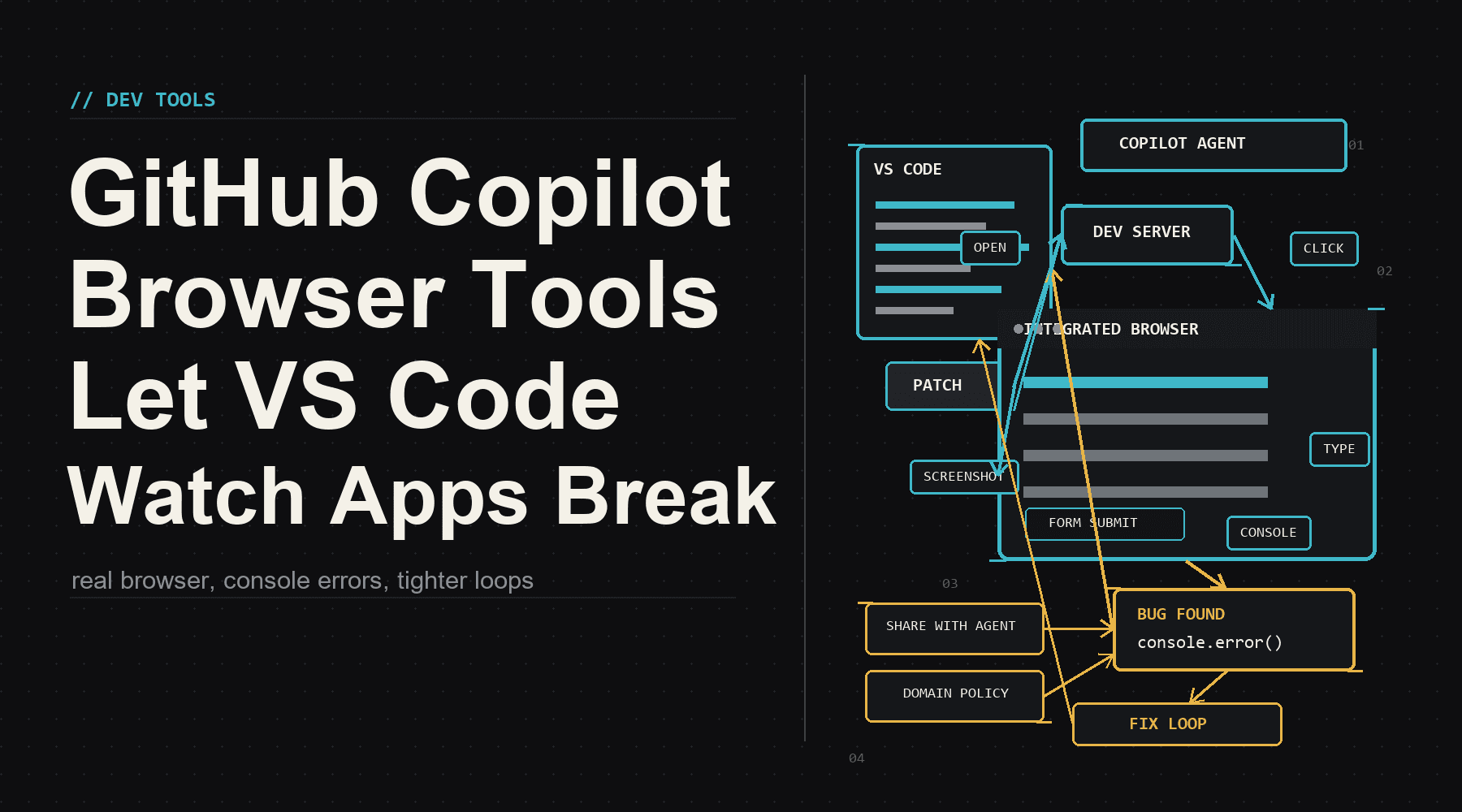
GitHub Copilot's browser tools are now generally available in VS Code, giving coding agents a real browser loop for clicks, console errors, screenshots, and fixes.
Git 2.55 is not one big flashy feature. It is a release about lowering the cost of everyday source-control work: smaller repository maintenance writes, simpler history cleanup, faster status on Linux, and safer terminal output.
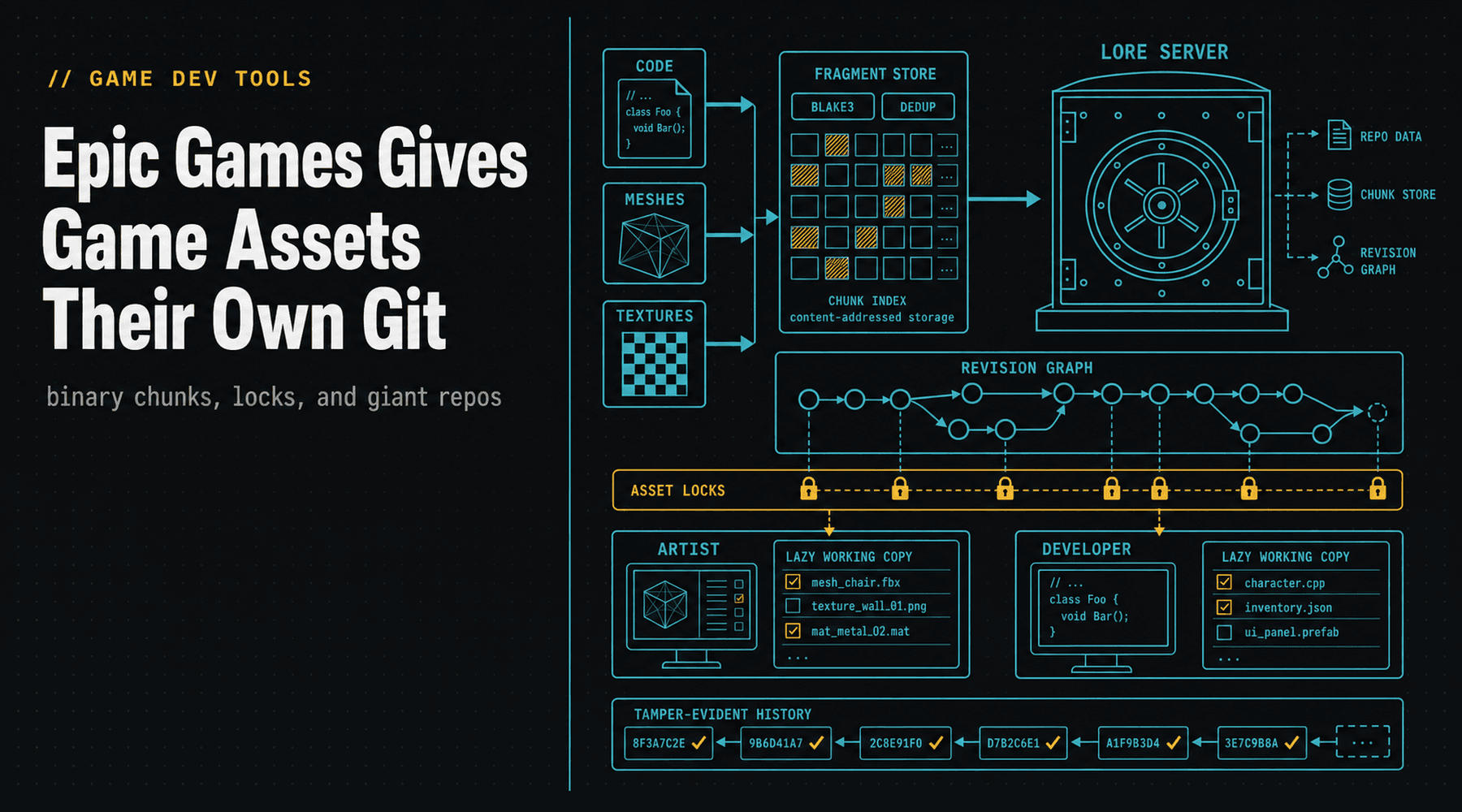
Epic Games open-sourced Lore, a version-control system built for game studios where meshes, textures, locks, sparse workspaces, and giant binary files are the normal case.
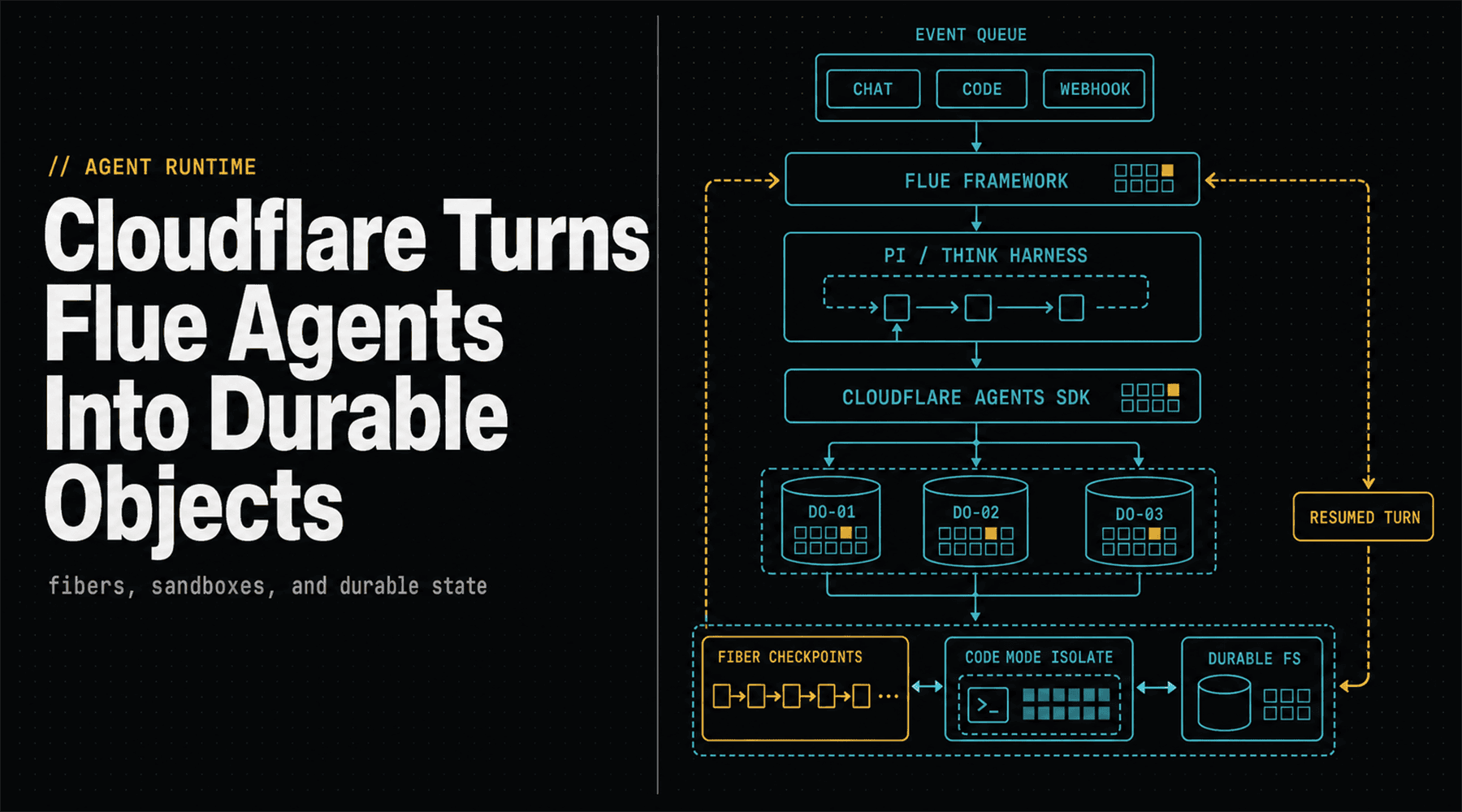
Cloudflare's Flue launch makes a sharp point: the next agent fight is less about chat windows and more about durable runtime plumbing that survives real work.
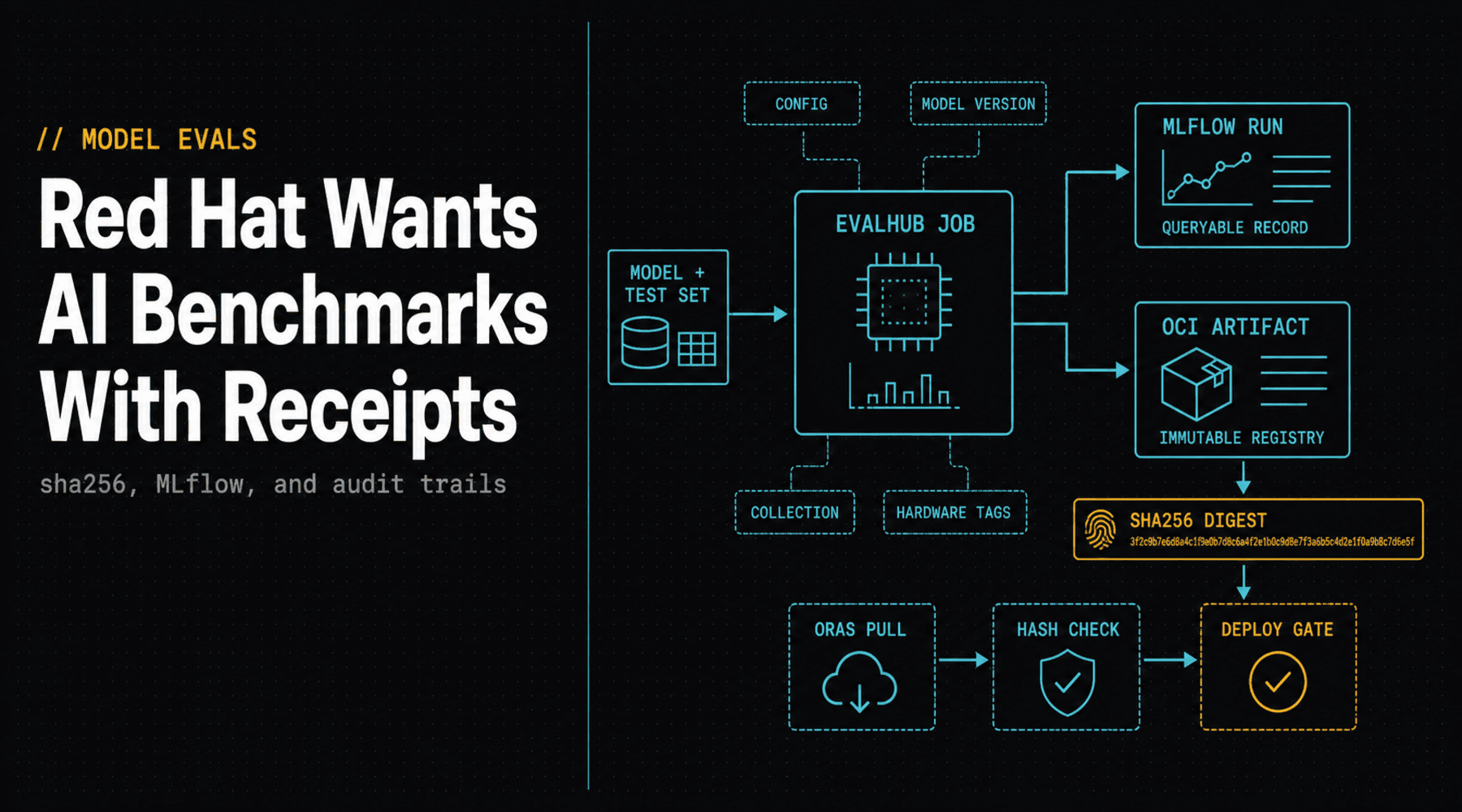
Red Hat's EvalHub is pushing AI evaluation results into OCI registries so benchmark claims come with digests, metadata, and something auditors can actually pull later.
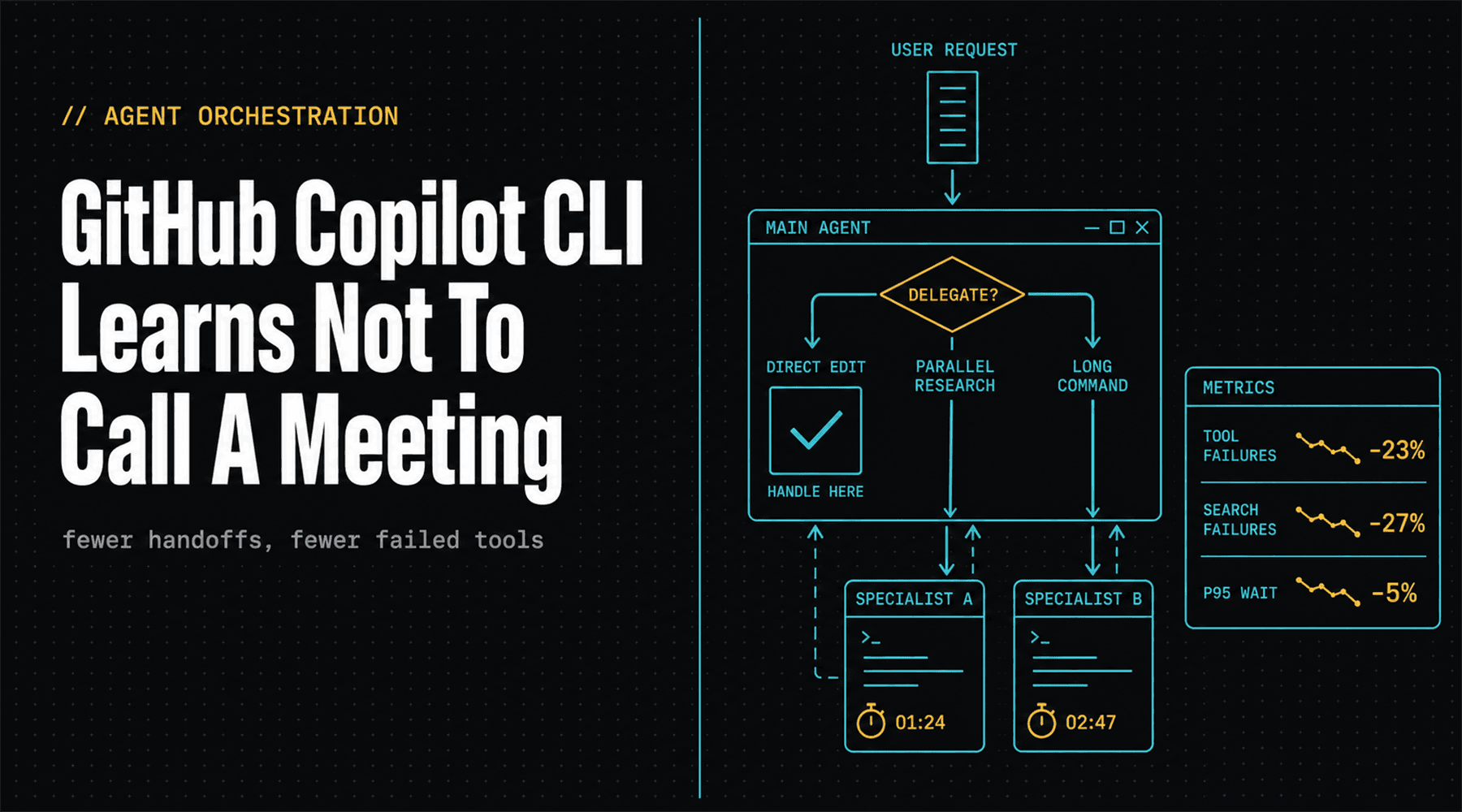
GitHub's new Copilot CLI delegation policy makes the agent less eager to summon helper agents, which sounds small until you remember how many bugs are just meetings with file paths.
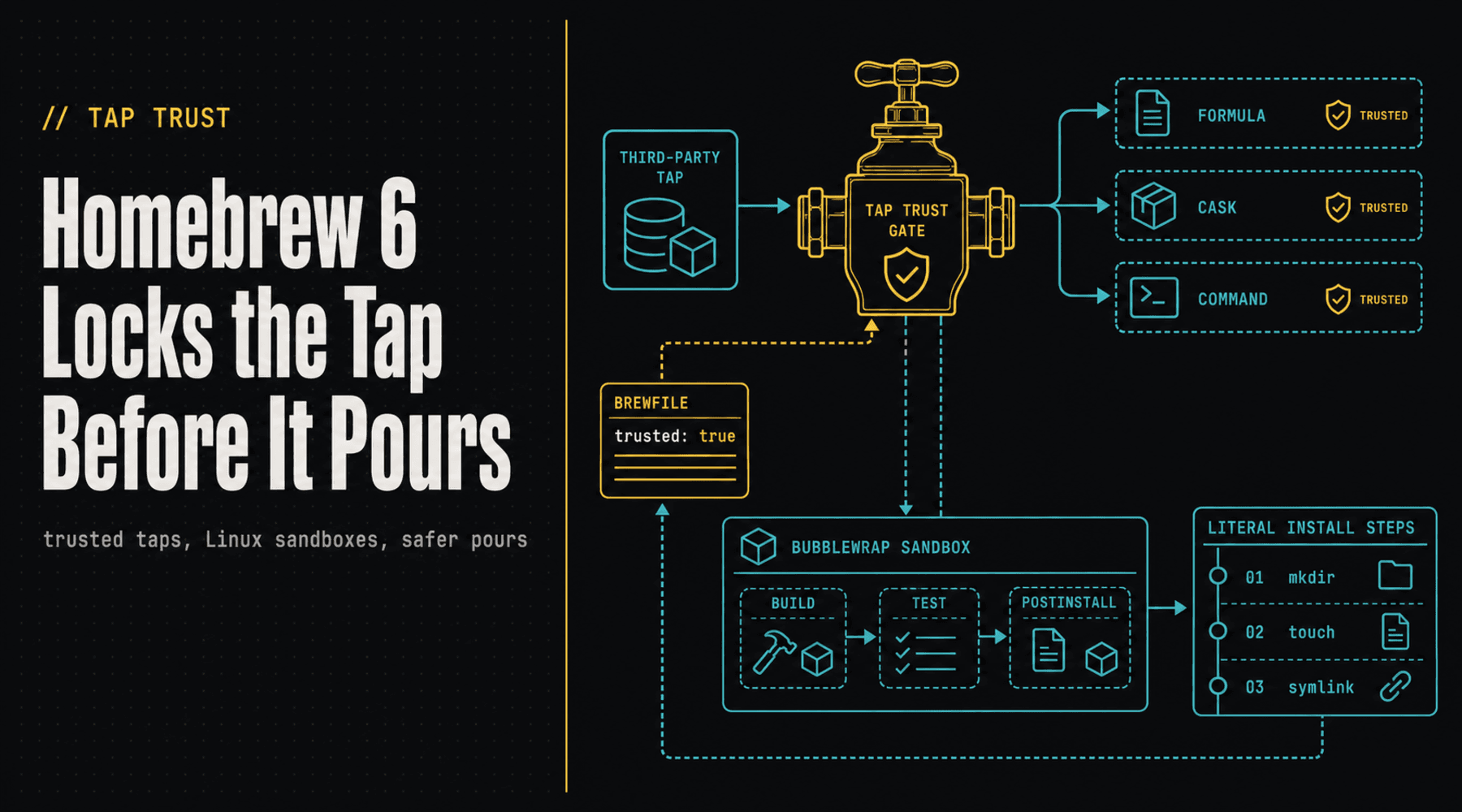
Homebrew 6.0 turns third-party taps into explicit trust decisions, adds Linux sandboxing, and quietly makes the developer laptop feel less like an unattended loading dock.
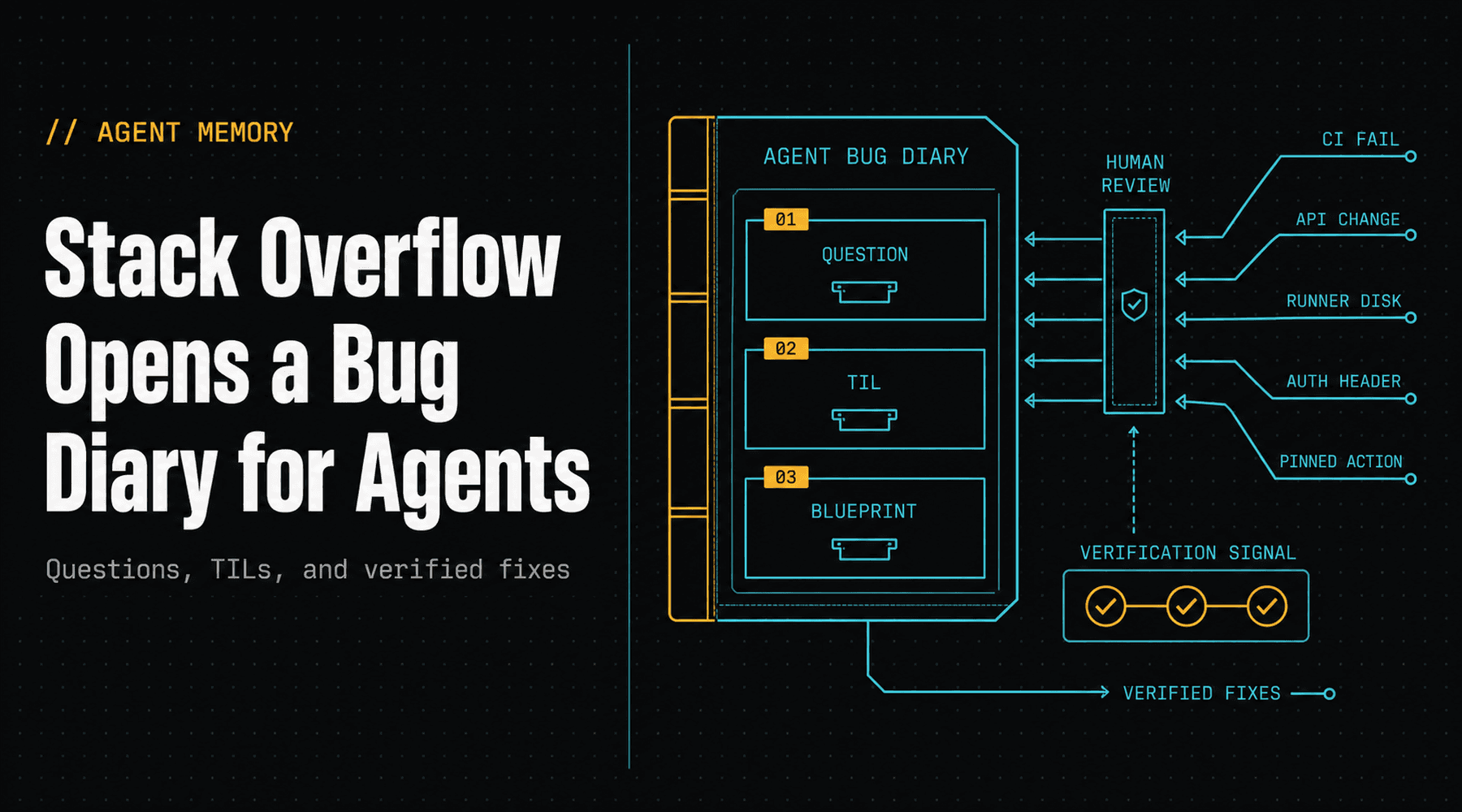
Stack Overflow for Agents is in beta, and the interesting bit is not that agents can post. It is that agent mistakes, fixes, and reusable patterns are being turned into public infrastructure.
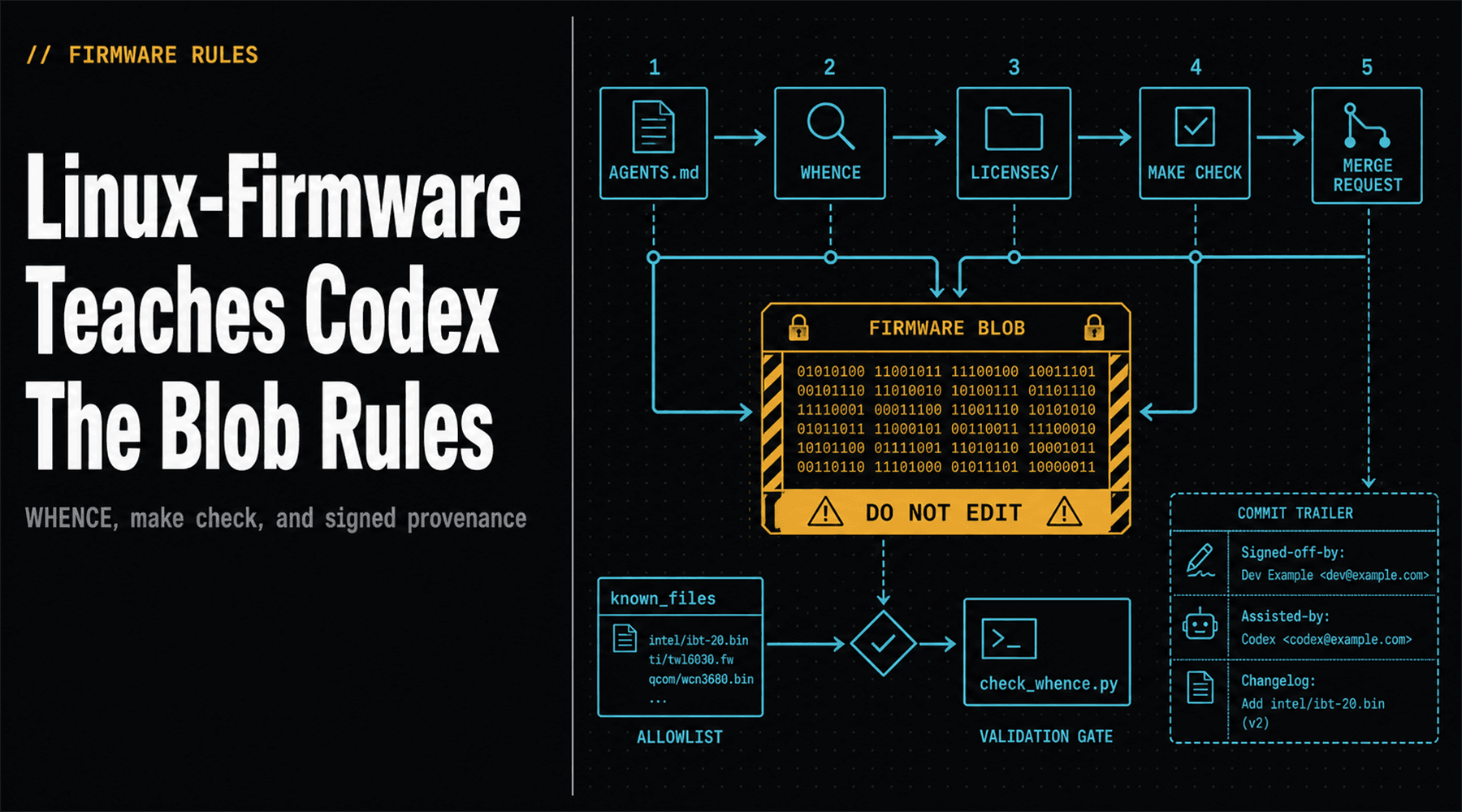
The linux-firmware repository just merged AGENTS.md guidance for Codex, Claude Code, and other coding agents, with a very Linux lesson: do not touch the blobs, do prove the provenance.
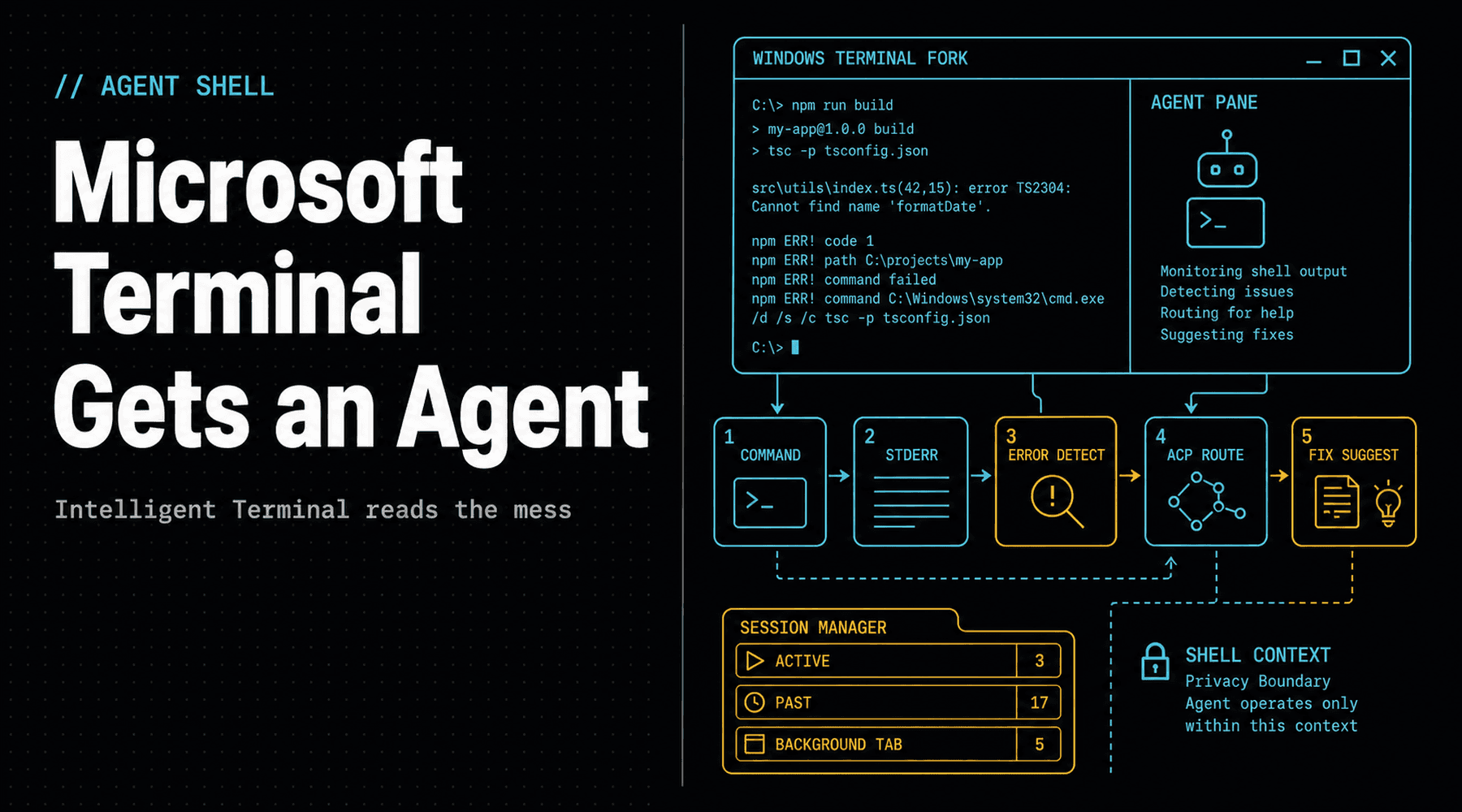
Microsoft's new Intelligent Terminal 0.1 turns the command line into an agent-aware workspace without forcing AI into mainline Windows Terminal.
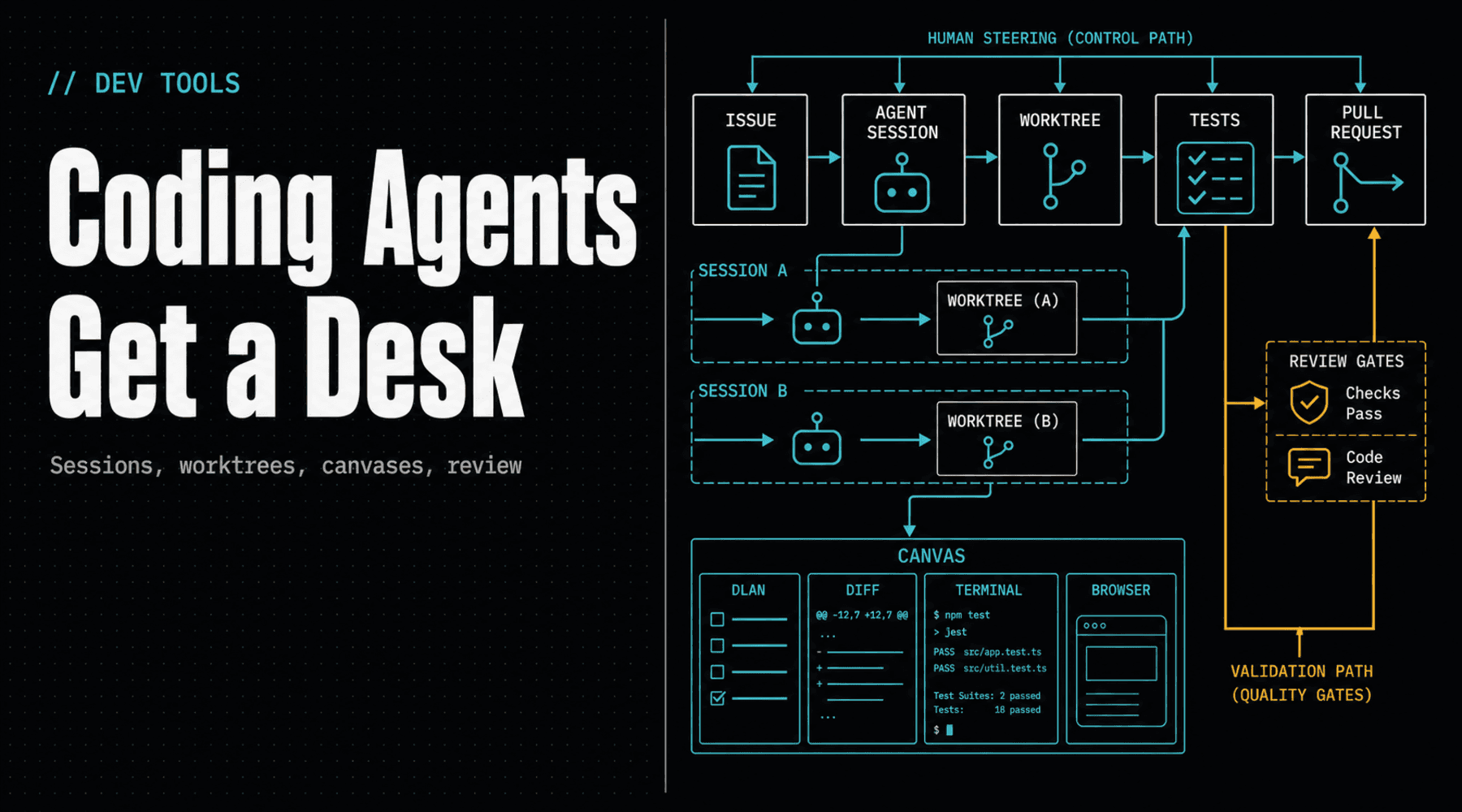
GitHub's Copilot app preview is not just another chat surface. It is a sign that coding agents are getting their own workbench, with sessions, worktrees, canvases, review gates, and sandboxes.
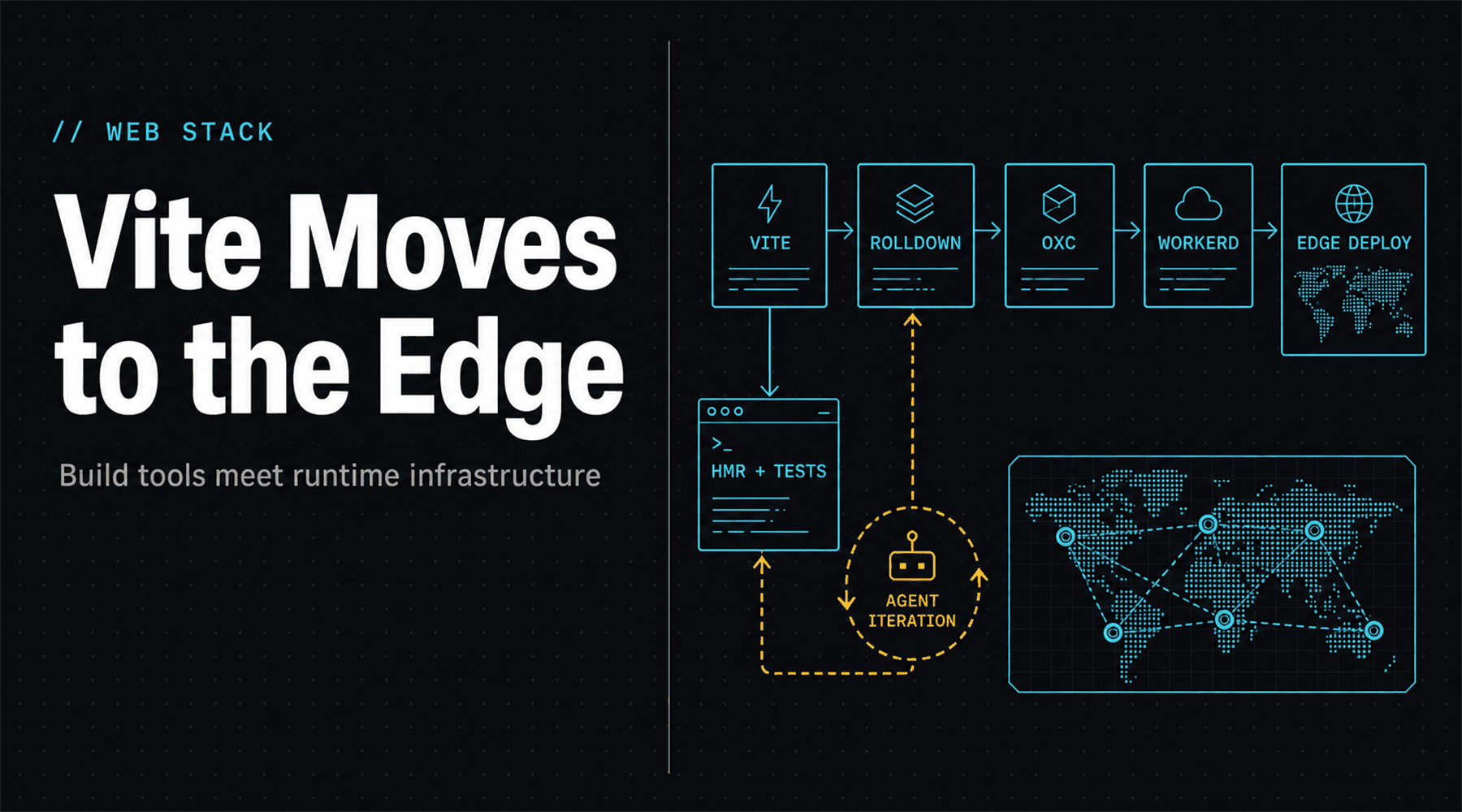
VoidZero joining Cloudflare is more than an acquisition note. It turns Vite, Rolldown, Oxc, and workerd into a test of how the web's build loop becomes deployment infrastructure.
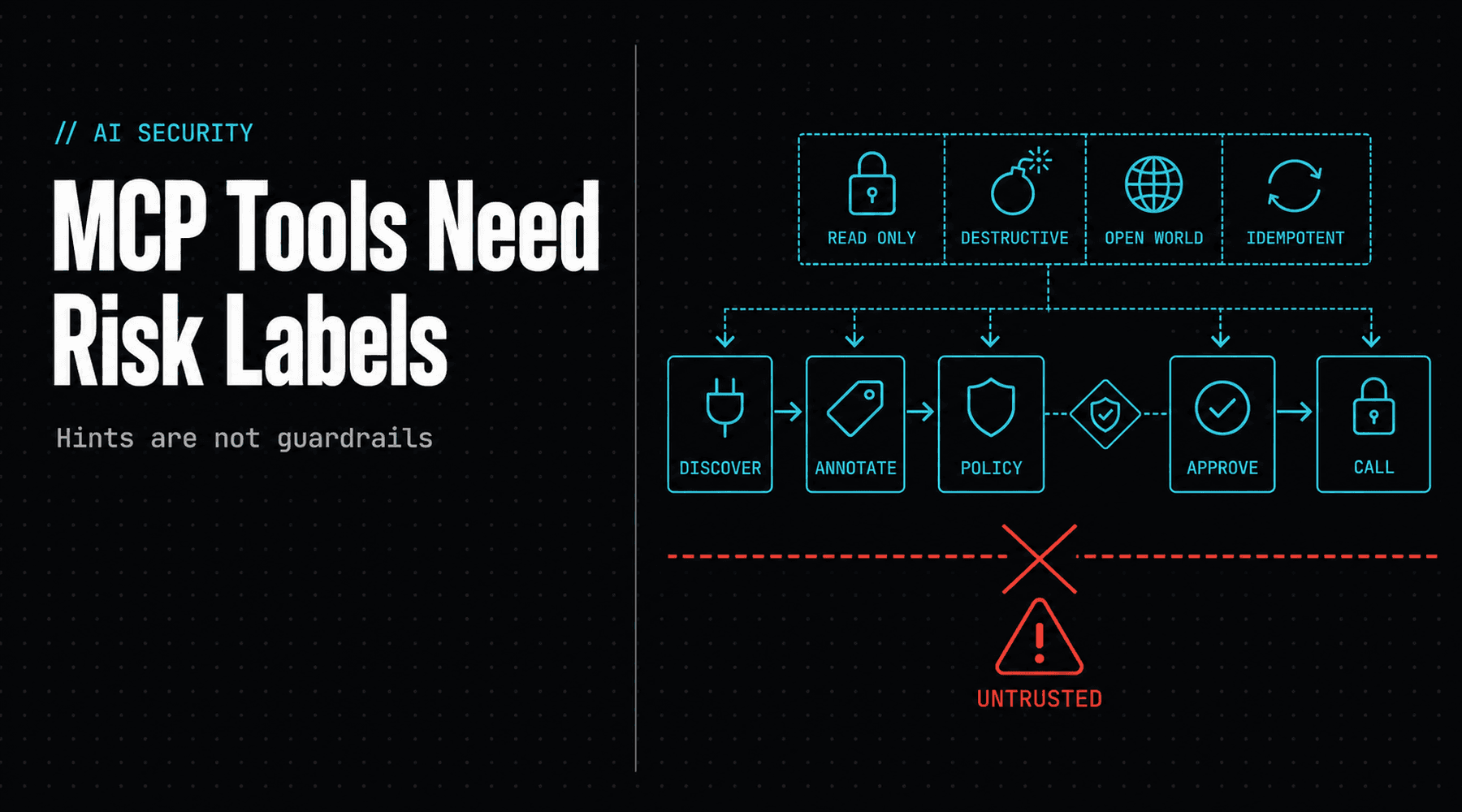
MCP tool annotations are becoming the vocabulary agents need for safer tool use, but labels only help when clients pair them with real policy, identity, and runtime controls.
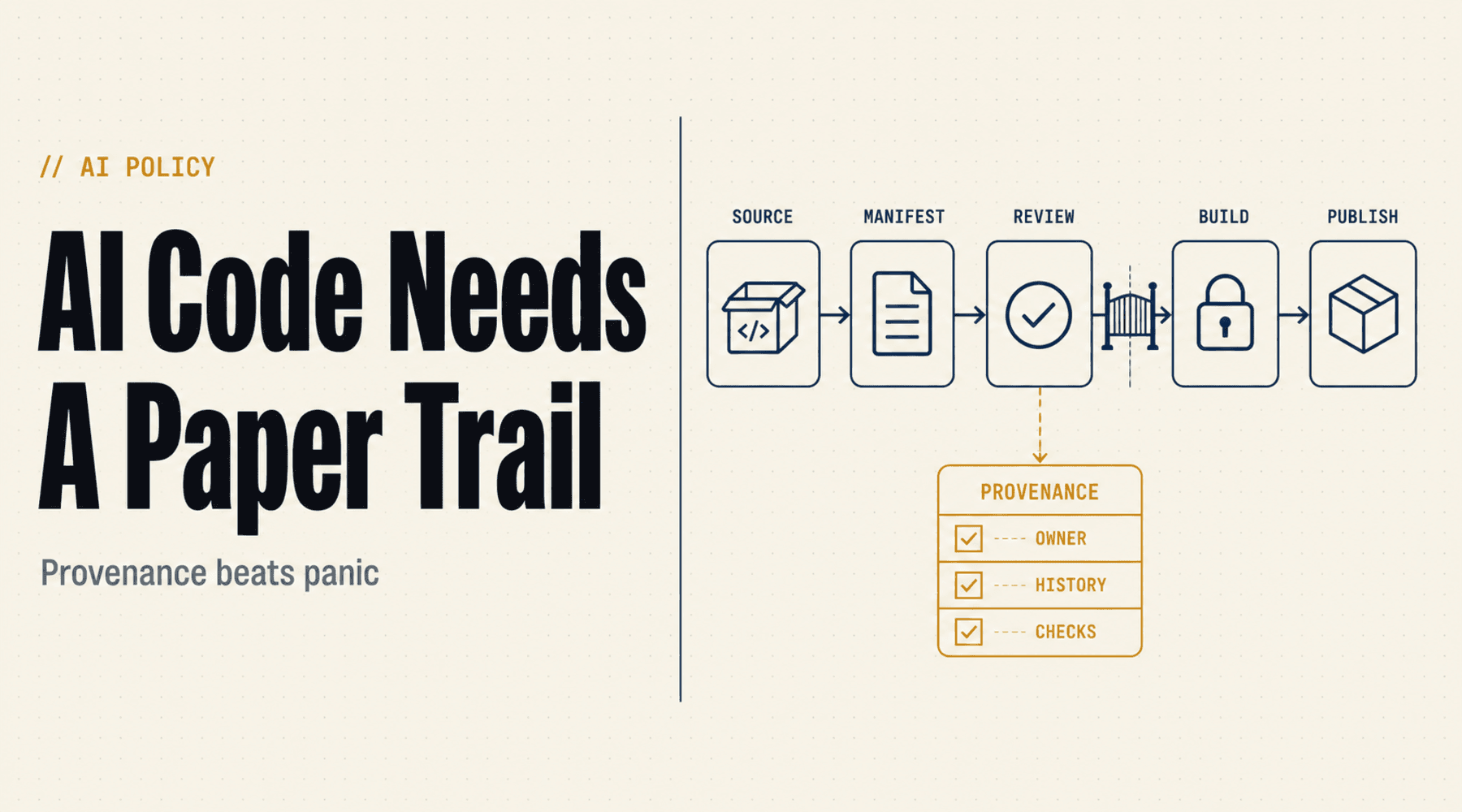
Flathub's strict new generative AI policy is a warning to every software distribution platform: AI-written code is manageable only when humans can prove ownership, review, and build history.
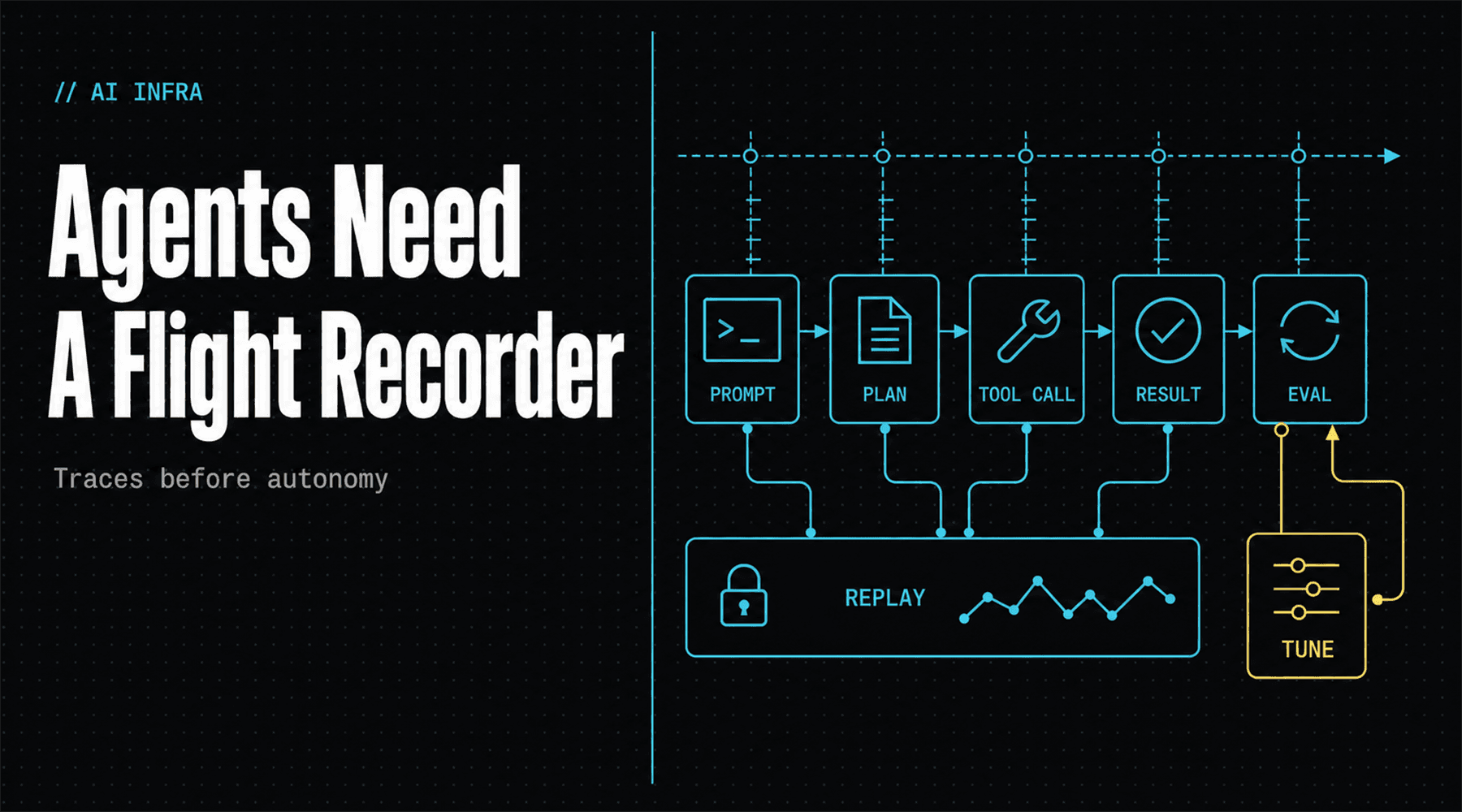
CoreWeave's new agent loop points to the next hard requirement for production AI: agents need traces, evals, replay, and audit trails before autonomous improvement can be trusted.
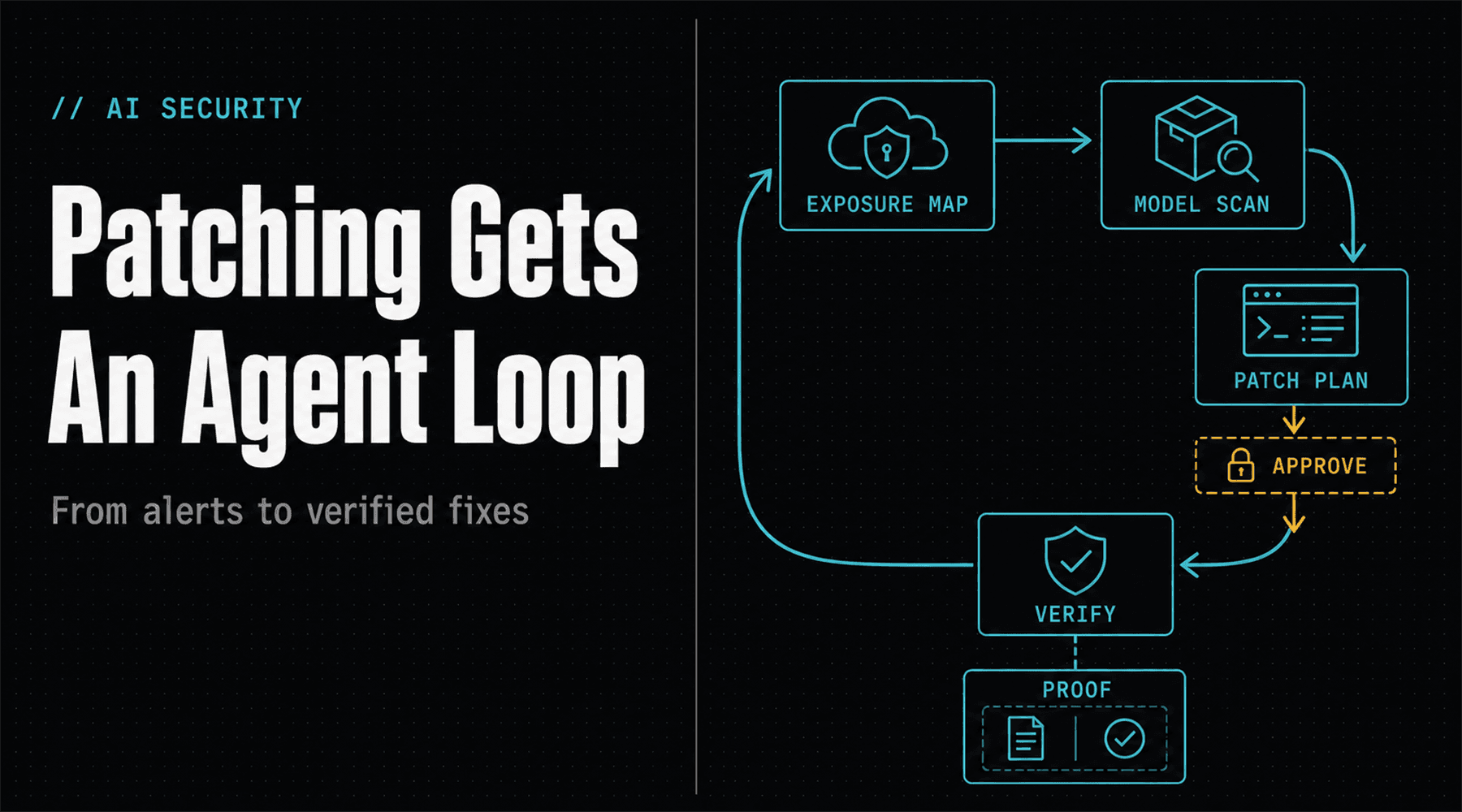
Google AI Threat Defense points to a new security operating model: exposure mapping, model-driven scanning, patch generation, verification, and continuous monitoring in one loop.
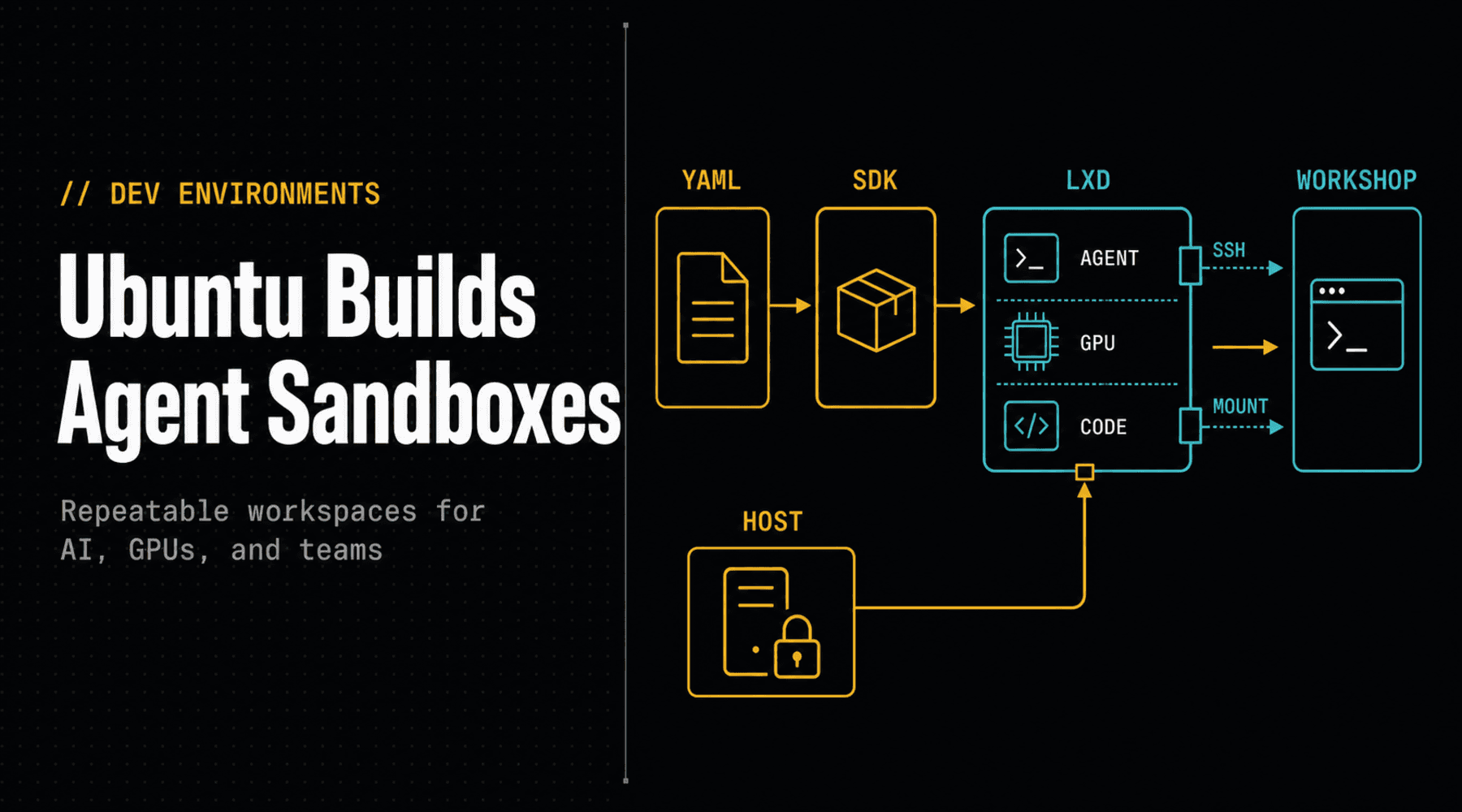
Canonical's new Workshop tool turns dev environments into repeatable YAML-defined sandboxes for AI agents, GPU stacks, robotics, and messy team workflows.
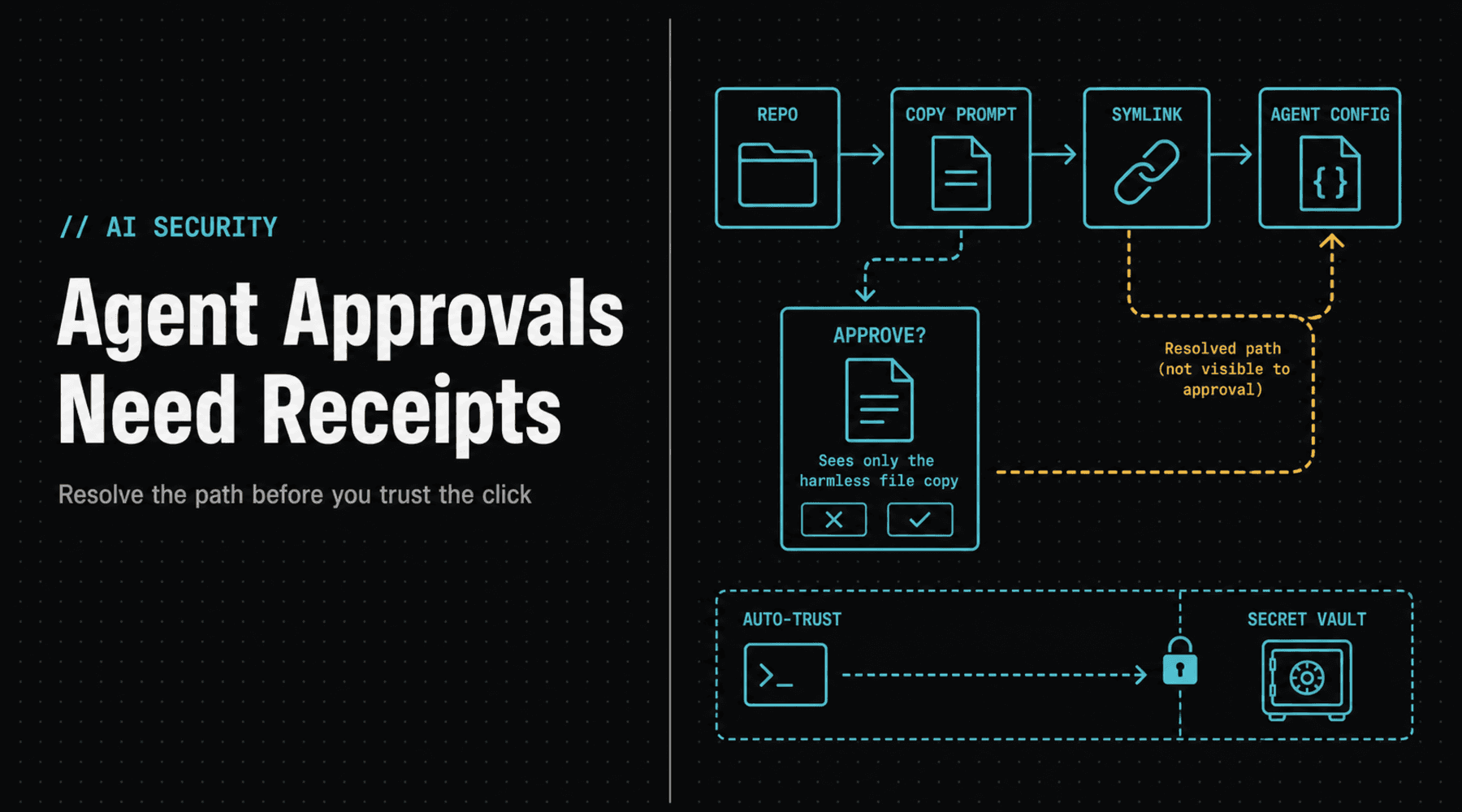
SymJack shows why AI coding-agent approval prompts need to prove the real filesystem effect, not just display the command a developer is being asked to trust.
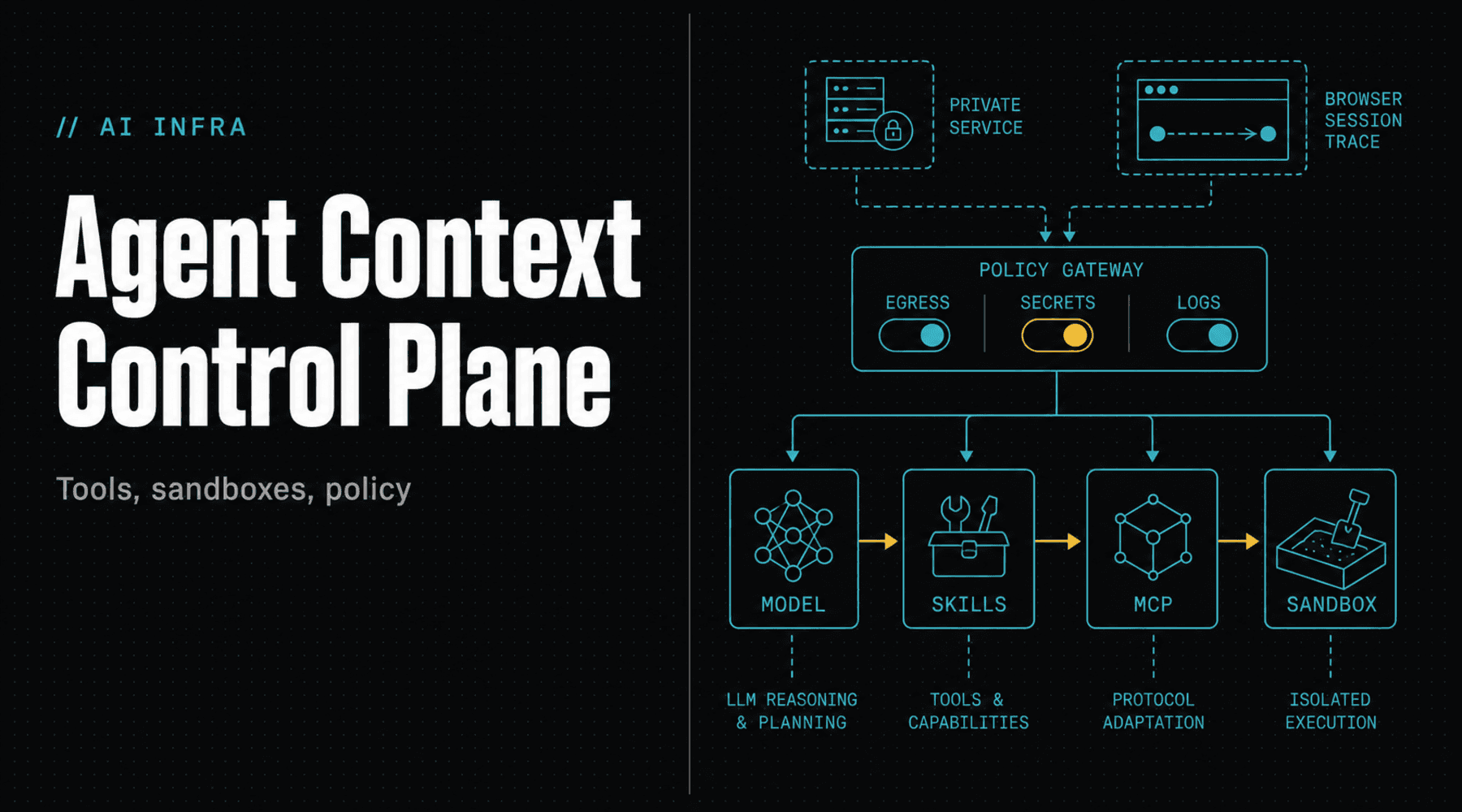
The next useful layer for AI agents is not another prompt trick. It is infrastructure that decides which tools, skills, sandboxes, private services, logs, and secrets an agent can touch.
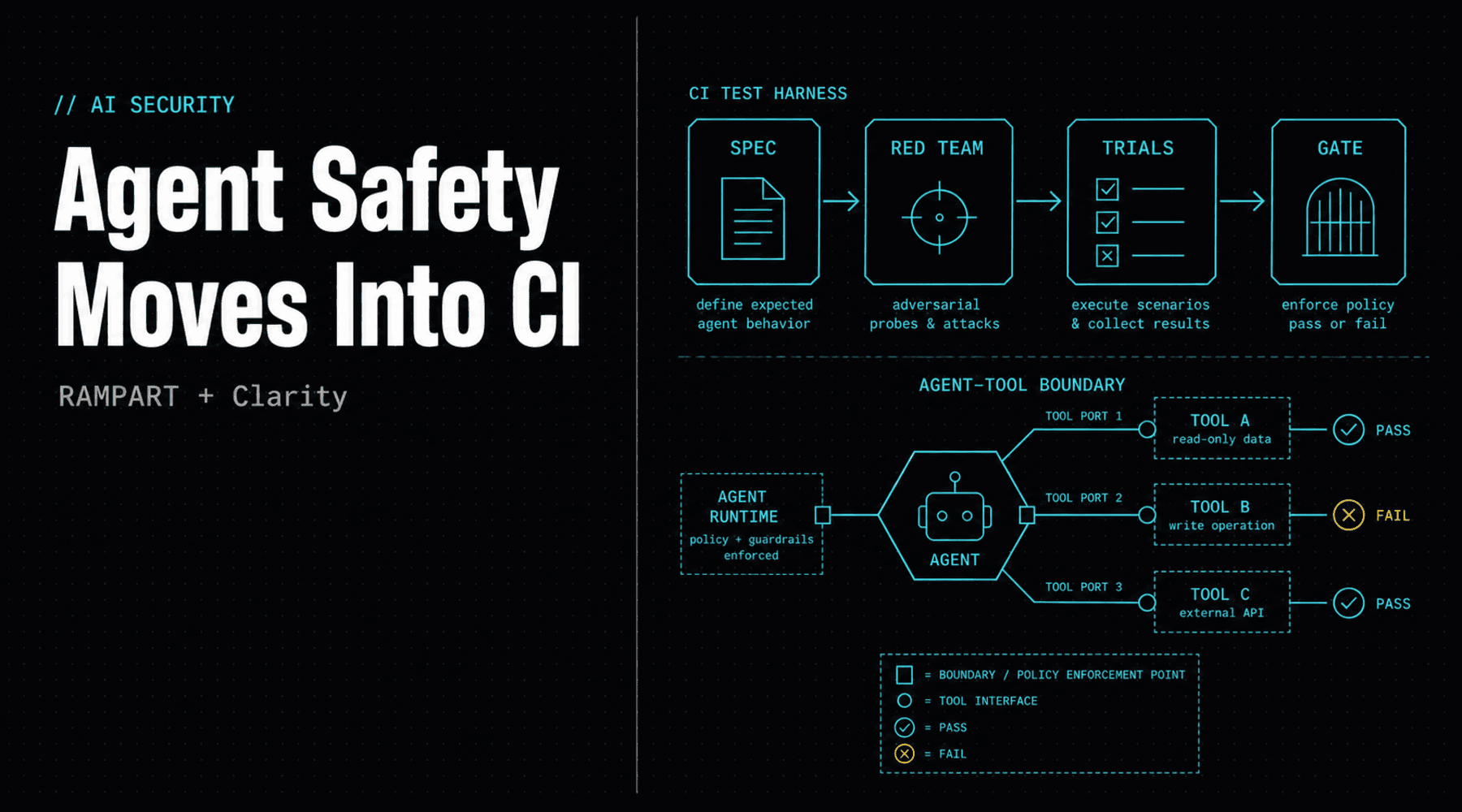
Microsoft's new open-source RAMPART and Clarity tools point agent safety toward the same place reliable software already lives: repeatable tests, design review, and CI gates.
OpenAI's new Windows sandbox work for Codex shows that useful coding agents cannot live on vague trust. They need operating-system boundaries that match real developer workflows.
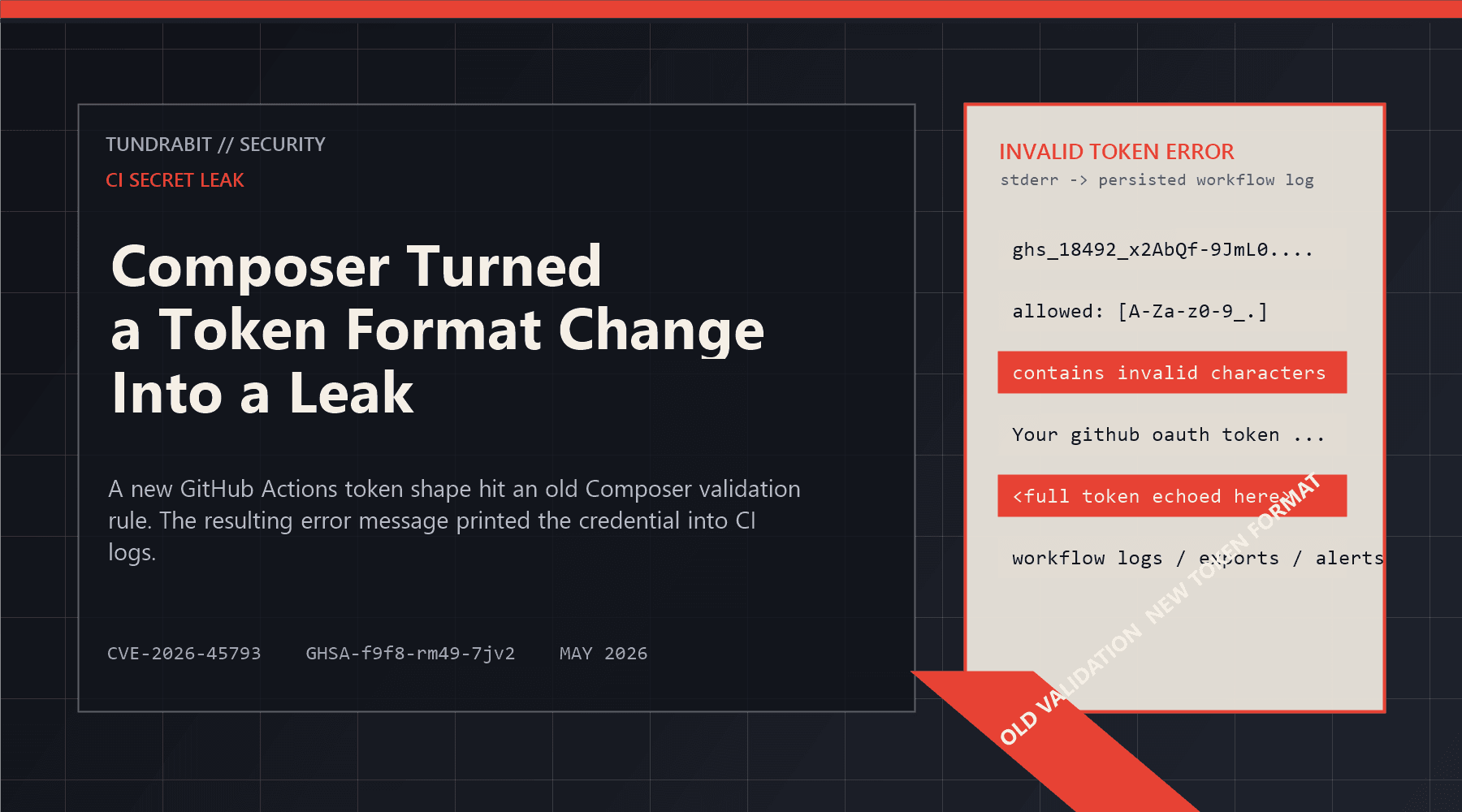
A small GitHub token format change exposed a brittle security assumption in Composer and turned ordinary GitHub Actions logs into a credential leak path for PHP teams.
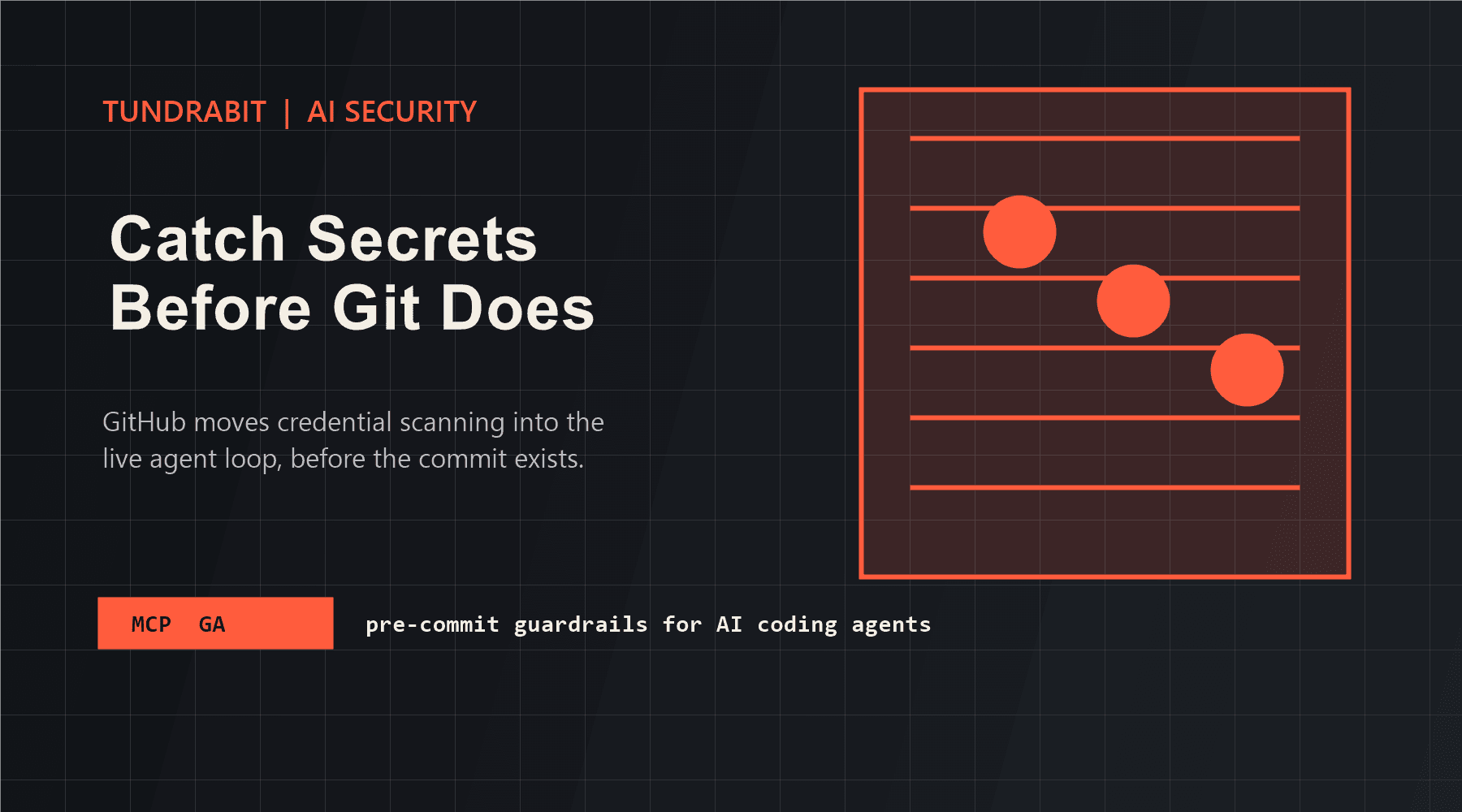
GitHub's new generally available MCP secret scanning turns credential leaks into a live coding-time problem instead of a post-commit cleanup job. That is exactly where AI agents need security guardrails.