Muse Let Local Code Inherit the Agent's Reach
Meta hot-fixed a Muse control that let unprivileged Mac code redirect dictation, capture agent authentication material, and borrow the assistant's trusted reach.
// Byline
Meta hot-fixed a Muse control that let unprivileged Mac code redirect dictation, capture agent authentication material, and borrow the assistant's trusted reach.
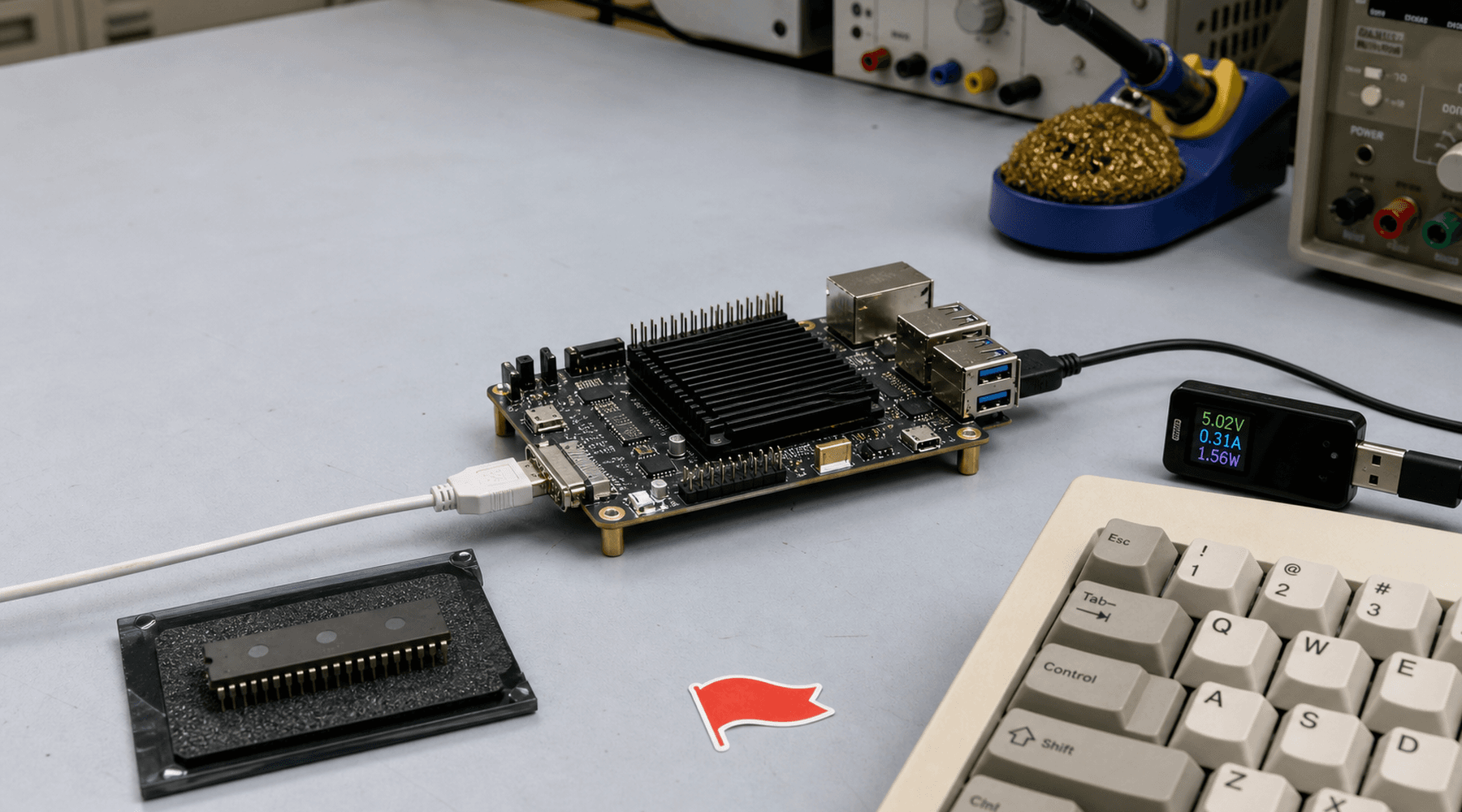
ZXdesk puts windows, menus, storage backends, apps, and 50Hz dragging on a 1982 ZX Spectrum by measuring the hardware instead of trusting folklore.
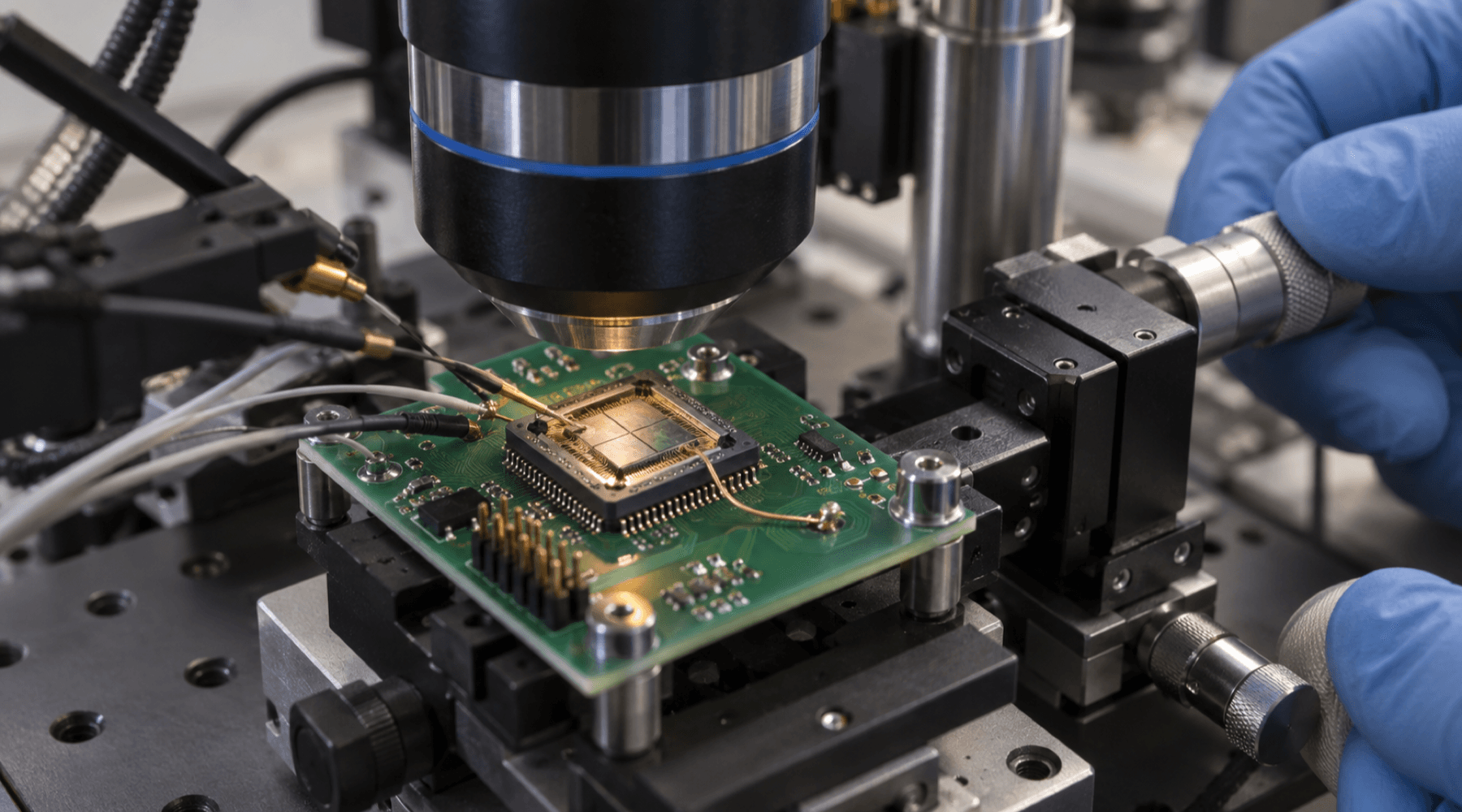
Ledger Donjon used photon-emission microscopy, two laser faults, and a rescue reset to reopen Secure debug and recover the RP2350 challenge secret.
Cloudflare recovered more than 100TB of RAM by changing a Rust data layout, trimming virtual nodes, and rolling out a smaller cache-routing ring without a global flush.
GitHub used agents to port Copilot's shared runtime from TypeScript to 832,000 lines of Rust. The more useful story is how it kept shipping throughout.
A new Linux crypto patch series turns post-quantum key exchange from a standards document into kernel infrastructure that protocol authors can actually test.
Valve's first SteamOS 3.9 preview refreshes the handheld's Linux, Plasma, Wi-Fi, hibernation, and virtual-machine foundations.
AI can make an idea sound finished before we have finished thinking. Some awkwardness is worth keeping.
Rust's next borrow checker is now on nightly, giving developers a real shakeout period for flow-sensitive borrowing before stabilization.
A fabricated batch of SQLite vulnerability reports shows why security automation needs verification gates, not just faster ingestion.
GitHub's public preview of stacked pull requests turns a long-running review workaround into first-party developer workflow.
NetBSD 11.0 adds RISC-V support, a fast x86 MICROVM kernel, better Linux syscall compatibility, and the kind of old-machine care that still matters.
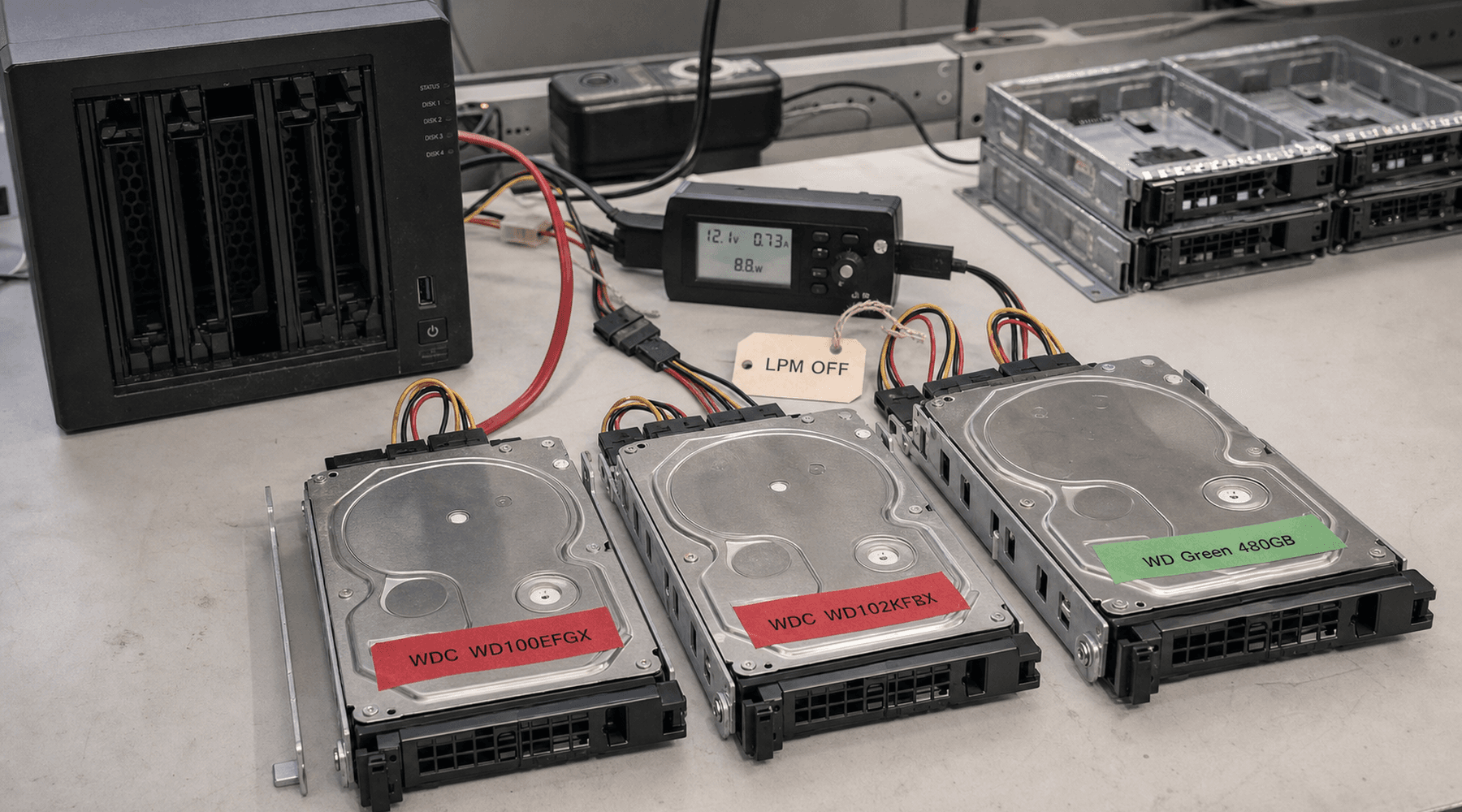
Linux 7.2-rc6 is set to disable SATA link power management for several Western Digital drives that can disappear after boot.
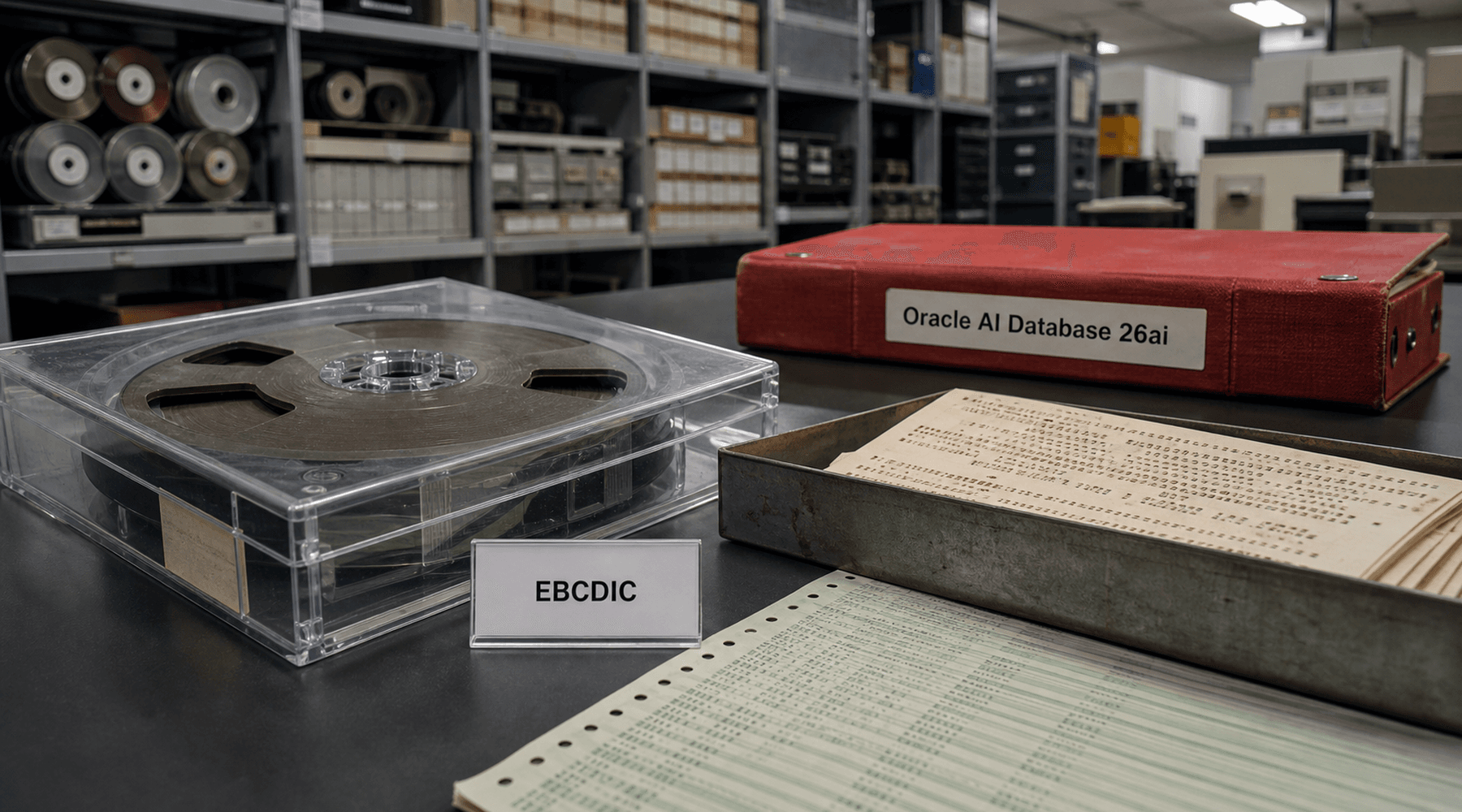
Oracle's new EBCDIC compatibility work is a reminder that mainframe migration fails when old byte ordering is treated as a data-conversion footnote.
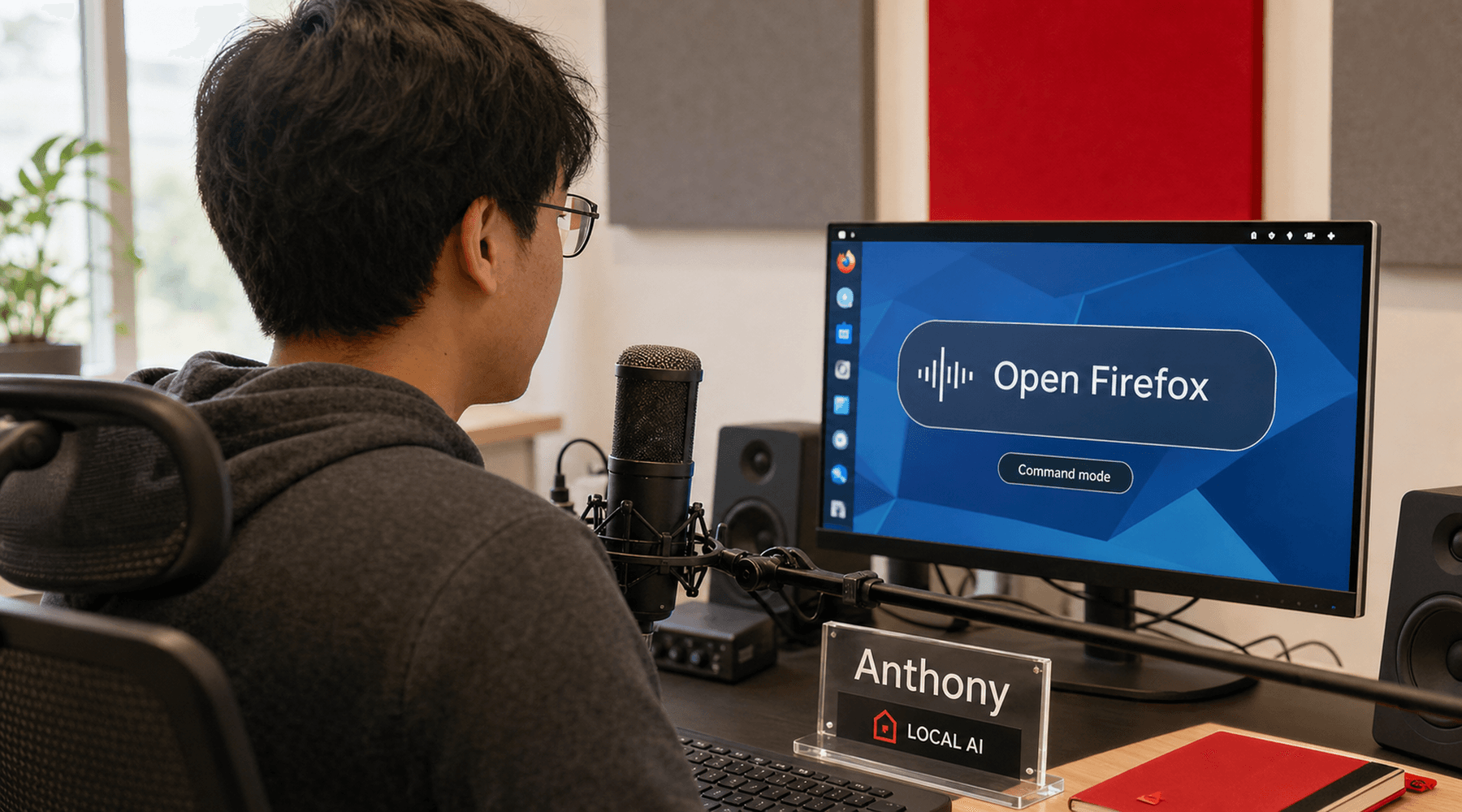
Red Hat Developer highlighted Anthony, a local AI voice-control layer that turns GNOME desktop actions into spoken commands.
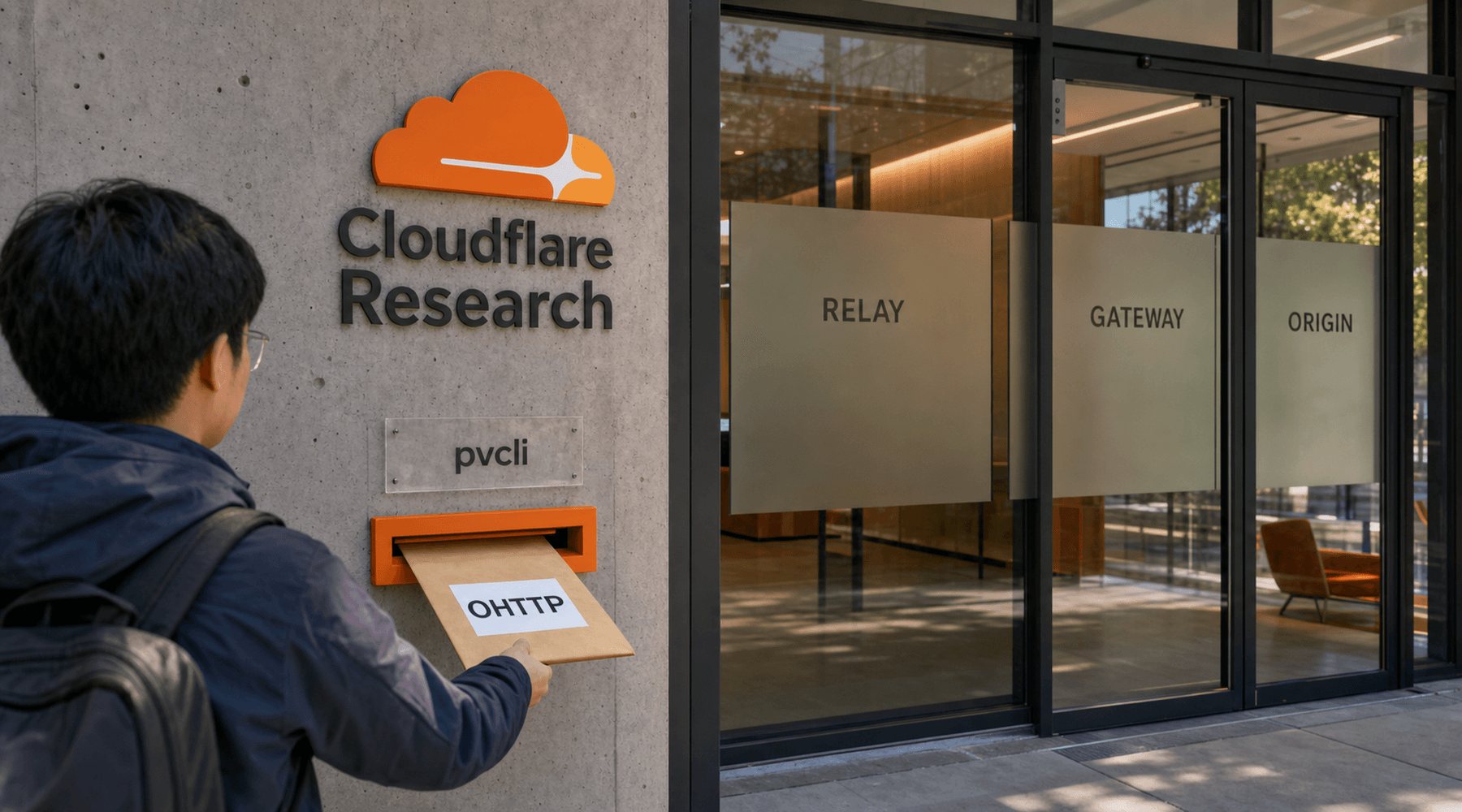
Cloudflare's pvcli gives OHTTP, CONNECT proxying, and future MASQUE work a curl-like test harness for privacy-preserving protocols.
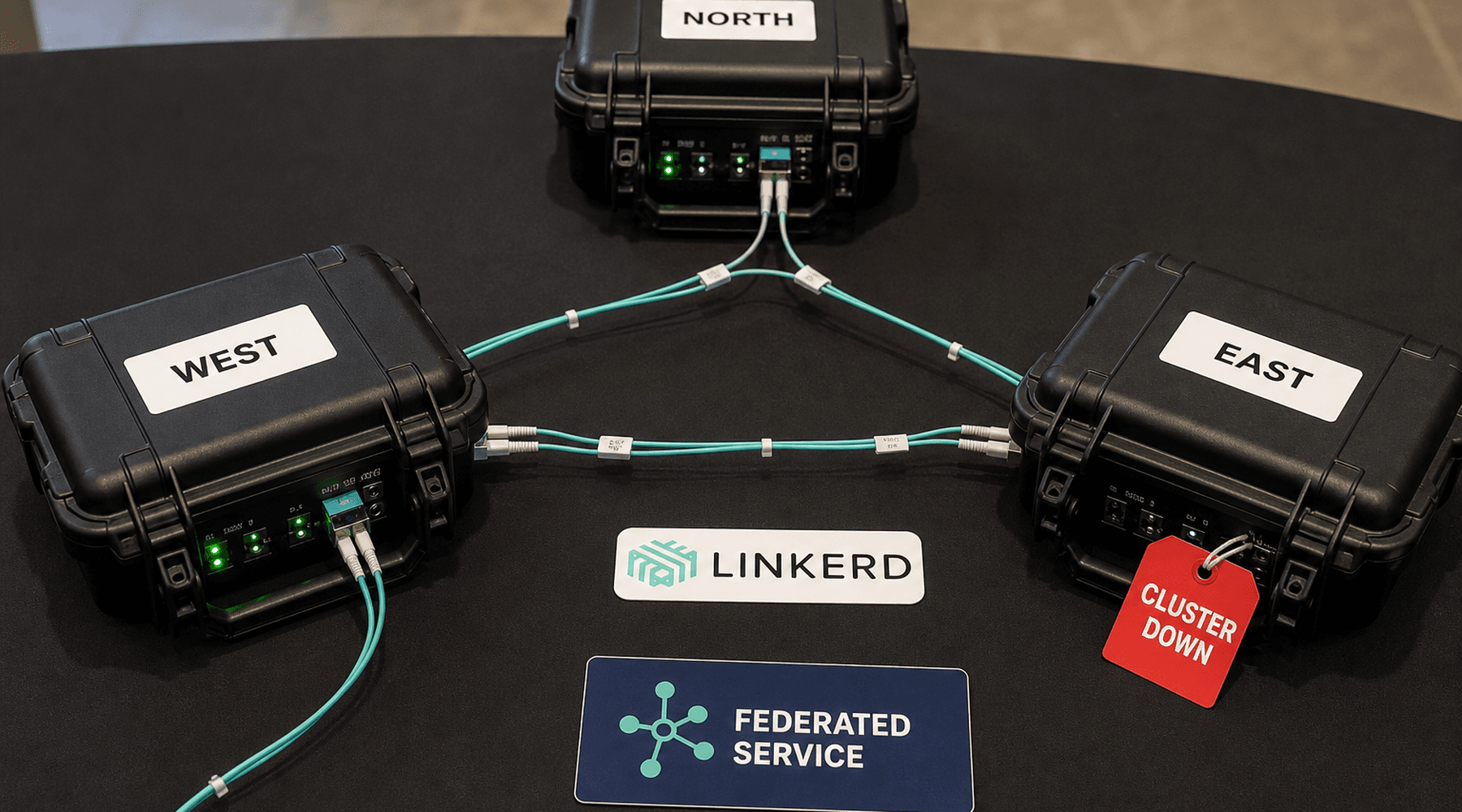
A CNCF Linkerd multicluster demo shows why spare Kubernetes clusters need service identity, routing, and failure behavior to matter.
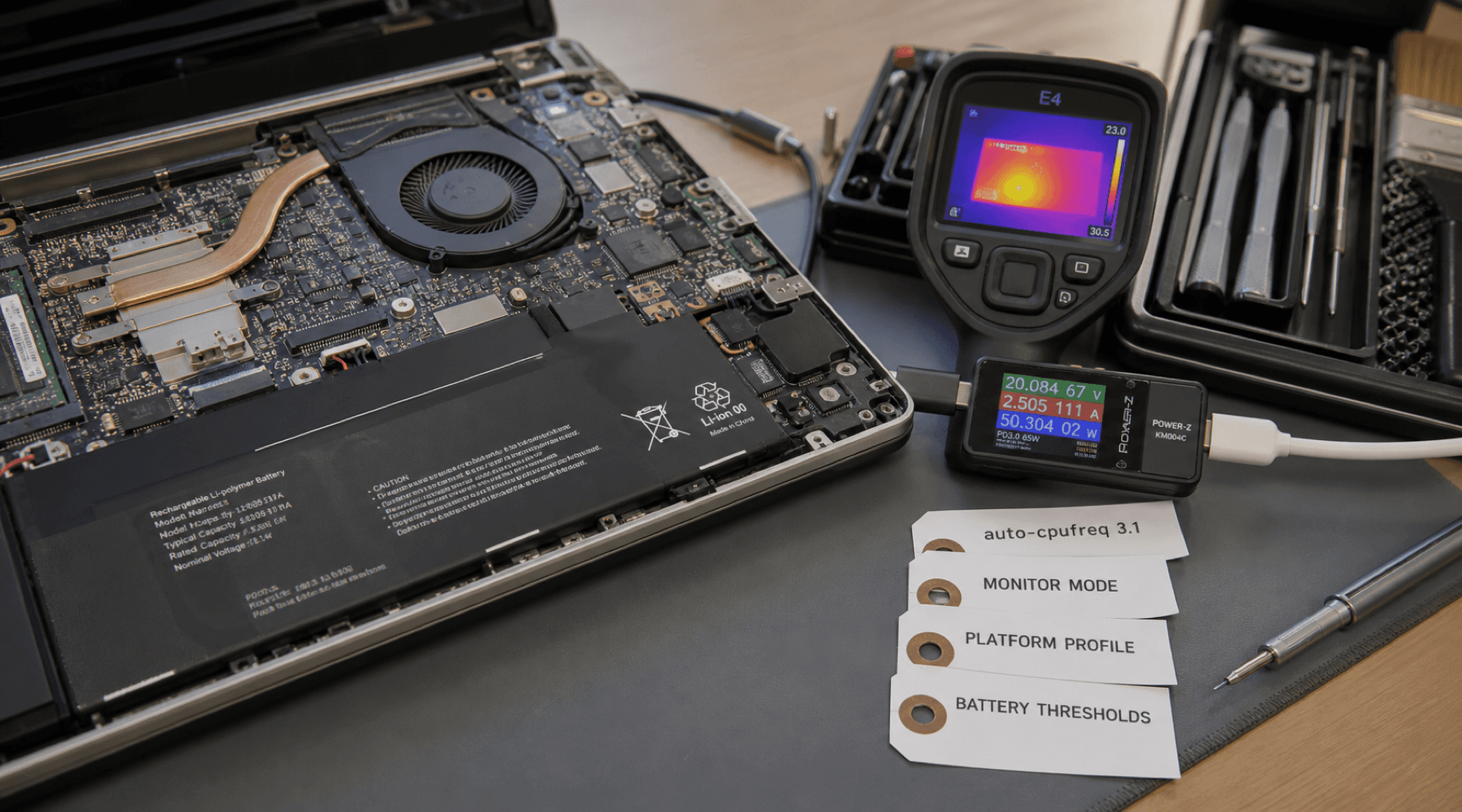
Auto-CPUFreq 3.1 adds GUI monitoring and tighter laptop power controls, turning Linux power tuning into something operators can inspect.
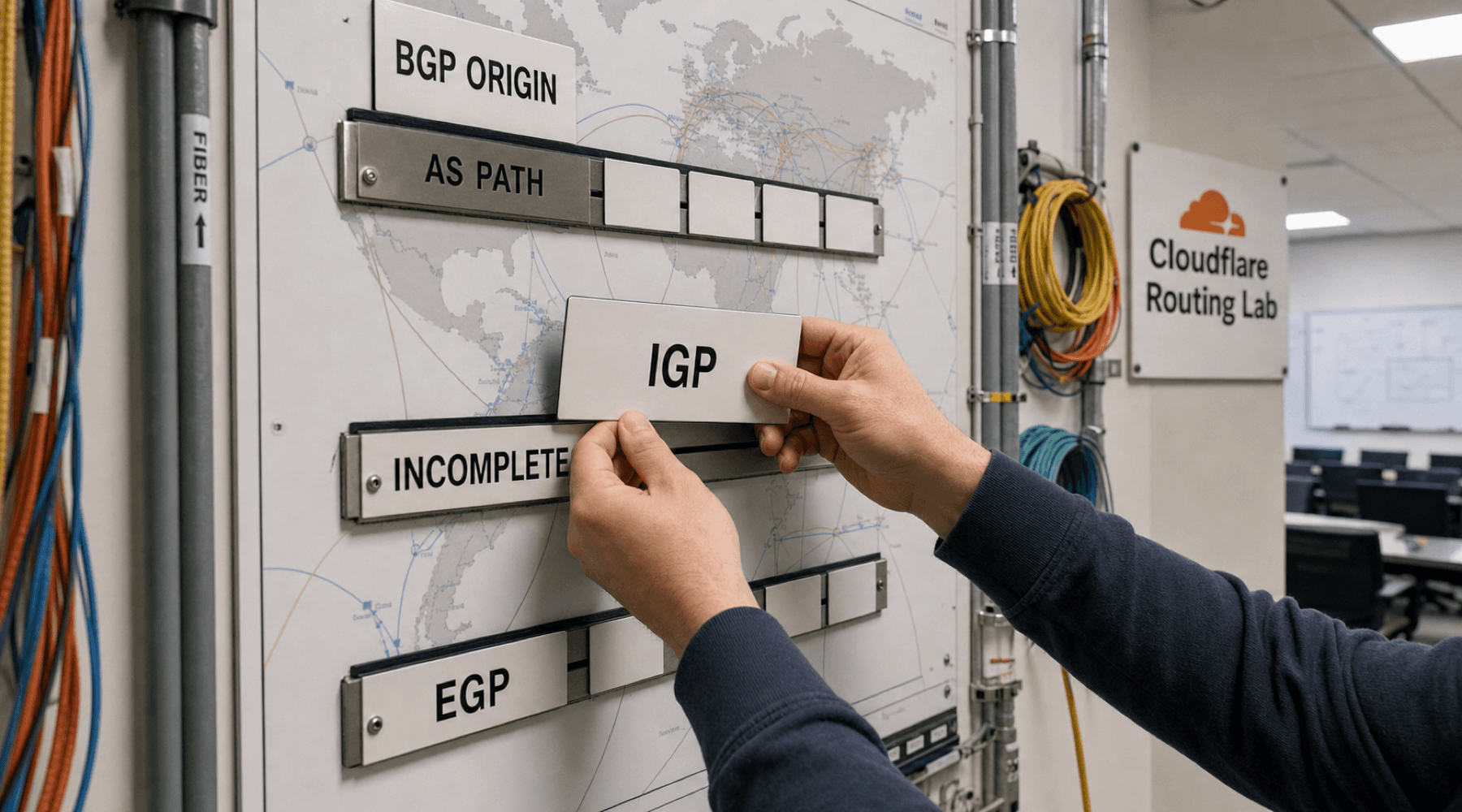
Cloudflare found widespread BGP ORIGIN rewrites, showing how an old routing attribute can still bend Internet path selection.
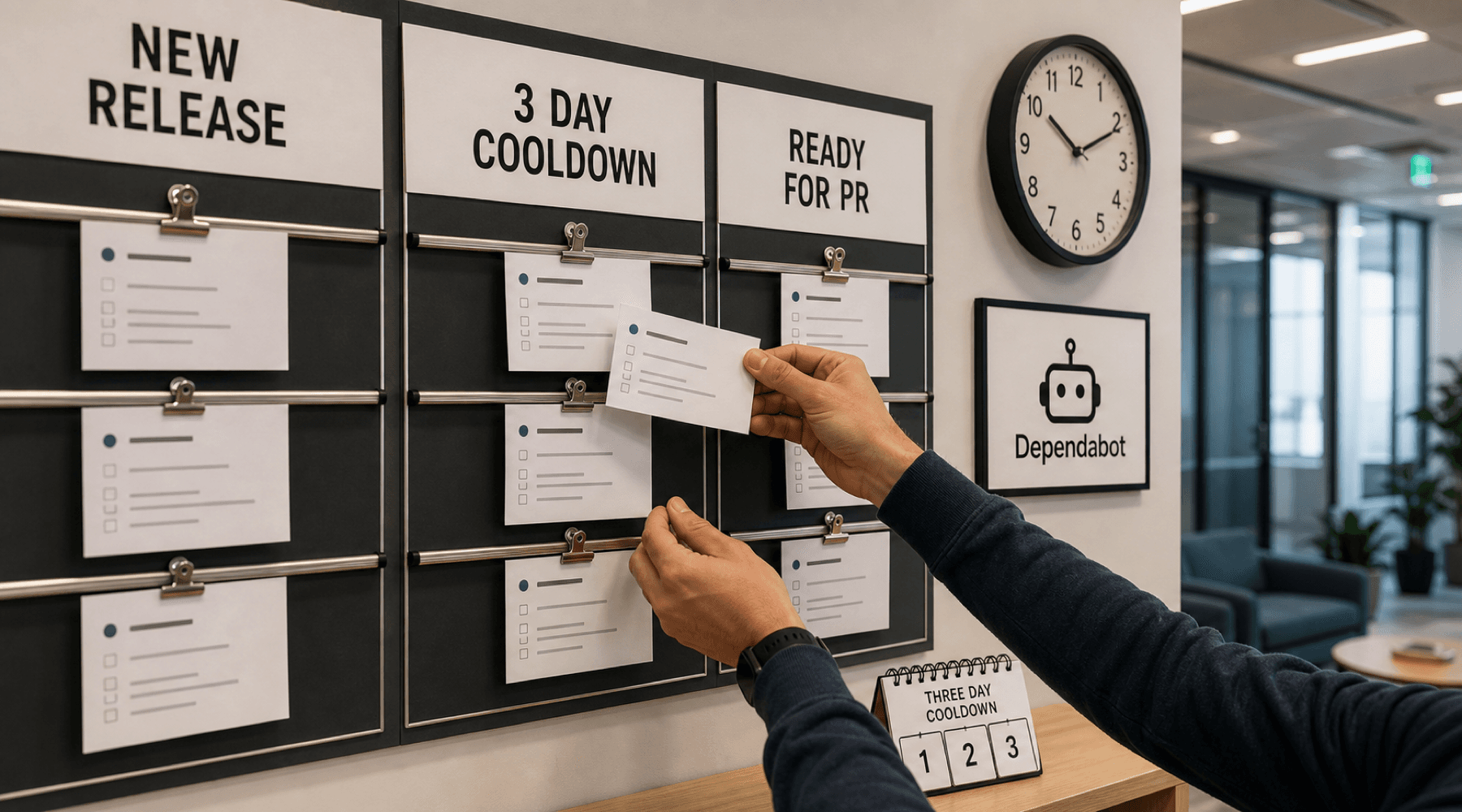
GitHub's new Dependabot cooldown waits three days before version-update pull requests, giving fresh package releases time to collect scrutiny.
PyPI now rejects new files on releases older than 14 days, narrowing a supply-chain path where a compromised publisher could poison a long-stable version.
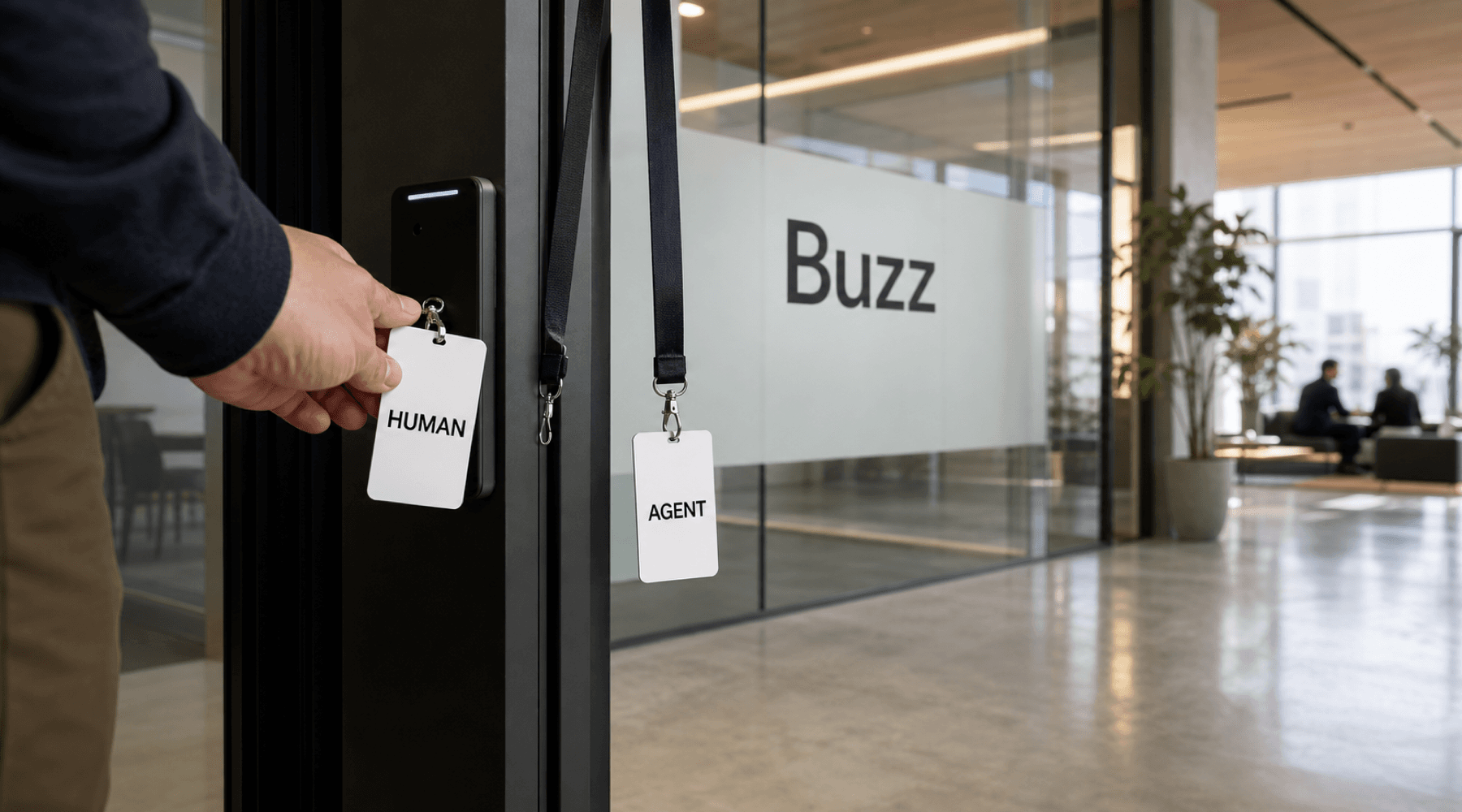
Block's open-source Buzz puts humans, AI agents, workflows, and Git events into one signed workspace, with scoped agent identities instead of borrowed human accounts.
A Google Cloud europe-west4-a outage showed that managed cloud services can still share a facility-level dependency, even when the rest of a zone and region look healthy.
Microsoft's open-source Dusseldorf project turns out-of-band application security testing into private infrastructure for capturing DNS, HTTP, and HTTPS callbacks.