Muse Let Local Code Inherit the Agent's Reach
Meta hot-fixed a Muse control that let unprivileged Mac code redirect dictation, capture agent authentication material, and borrow the assistant's trusted reach.
// Archive
Everything Tundrabit has published. Filter by topic, or browse the full archive.
Browse
92 more topics available.
Meta hot-fixed a Muse control that let unprivileged Mac code redirect dictation, capture agent authentication material, and borrow the assistant's trusted reach.
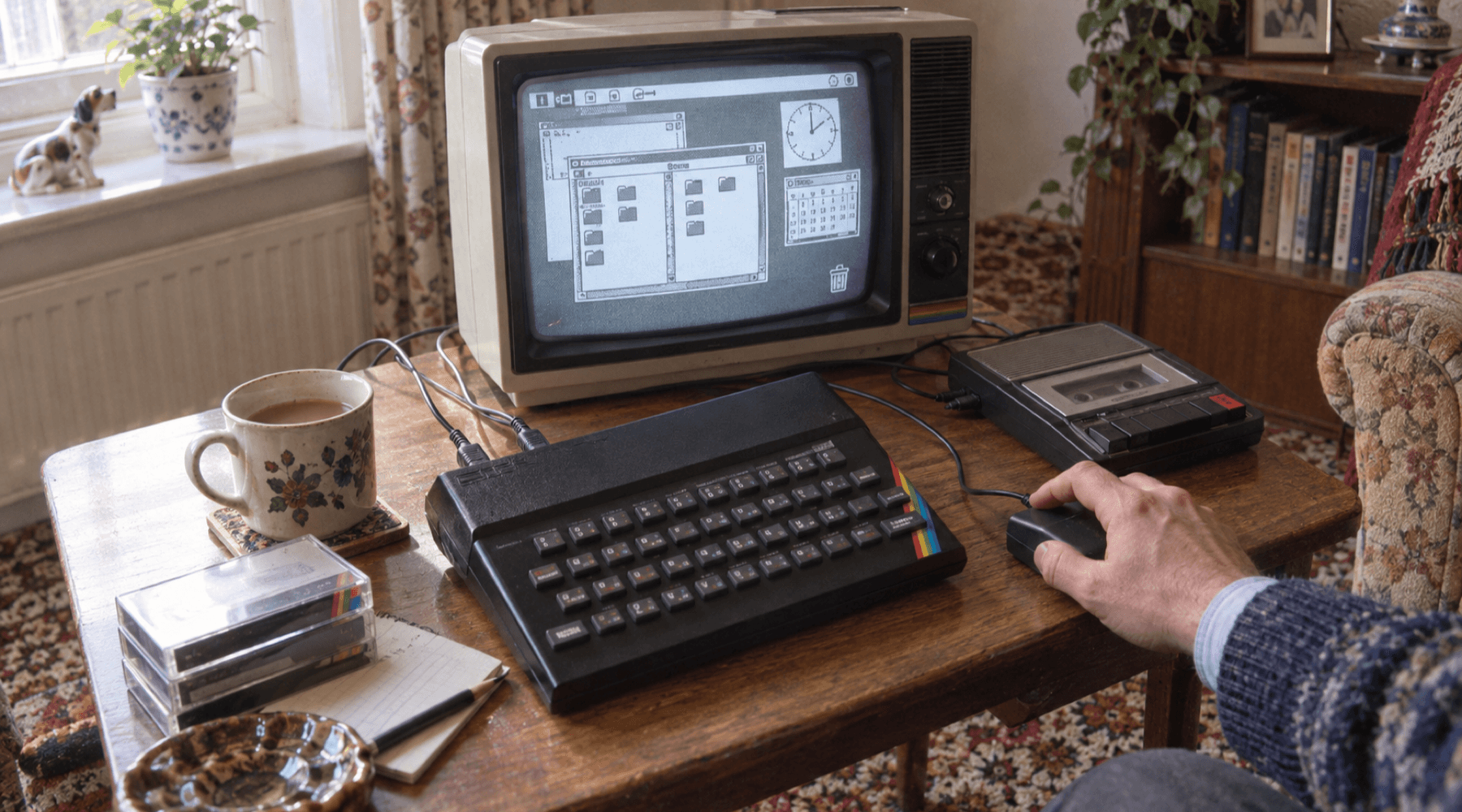
ZXdesk puts windows, menus, storage backends, apps, and 50Hz dragging on a 1982 ZX Spectrum by measuring the hardware instead of trusting folklore.
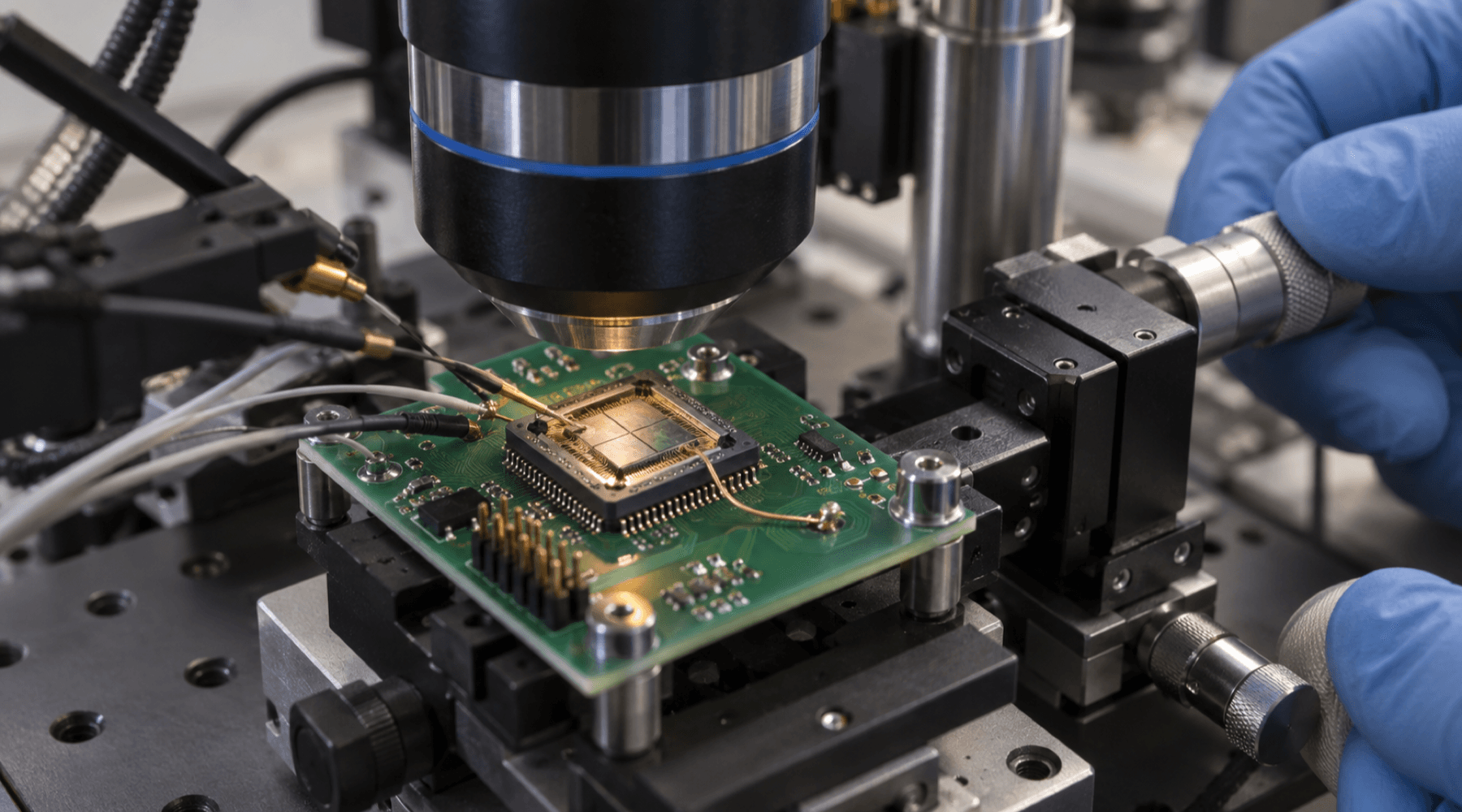
Ledger Donjon used photon-emission microscopy, two laser faults, and a rescue reset to reopen Secure debug and recover the RP2350 challenge secret.
Cloudflare recovered more than 100TB of RAM by changing a Rust data layout, trimming virtual nodes, and rolling out a smaller cache-routing ring without a global flush.
GitHub used agents to port Copilot's shared runtime from TypeScript to 832,000 lines of Rust. The more useful story is how it kept shipping throughout.
A new Linux crypto patch series turns post-quantum key exchange from a standards document into kernel infrastructure that protocol authors can actually test.
Valve's first SteamOS 3.9 preview refreshes the handheld's Linux, Plasma, Wi-Fi, hibernation, and virtual-machine foundations.
AI can make an idea sound finished before we have finished thinking. Some awkwardness is worth keeping.
Rust's next borrow checker is now on nightly, giving developers a real shakeout period for flow-sensitive borrowing before stabilization.
A fabricated batch of SQLite vulnerability reports shows why security automation needs verification gates, not just faster ingestion.
GitHub's public preview of stacked pull requests turns a long-running review workaround into first-party developer workflow.
NetBSD 11.0 adds RISC-V support, a fast x86 MICROVM kernel, better Linux syscall compatibility, and the kind of old-machine care that still matters.
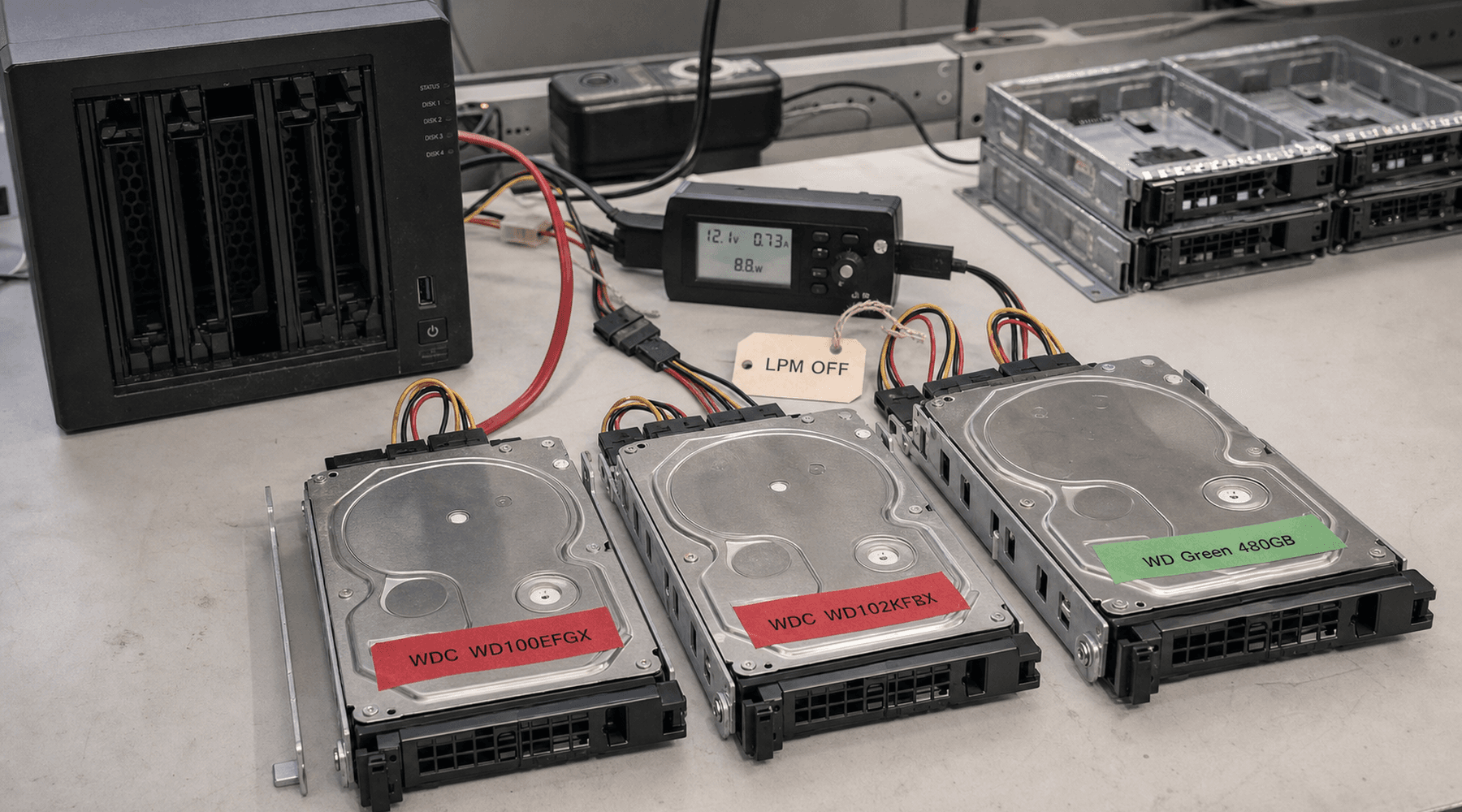
Linux 7.2-rc6 is set to disable SATA link power management for several Western Digital drives that can disappear after boot.
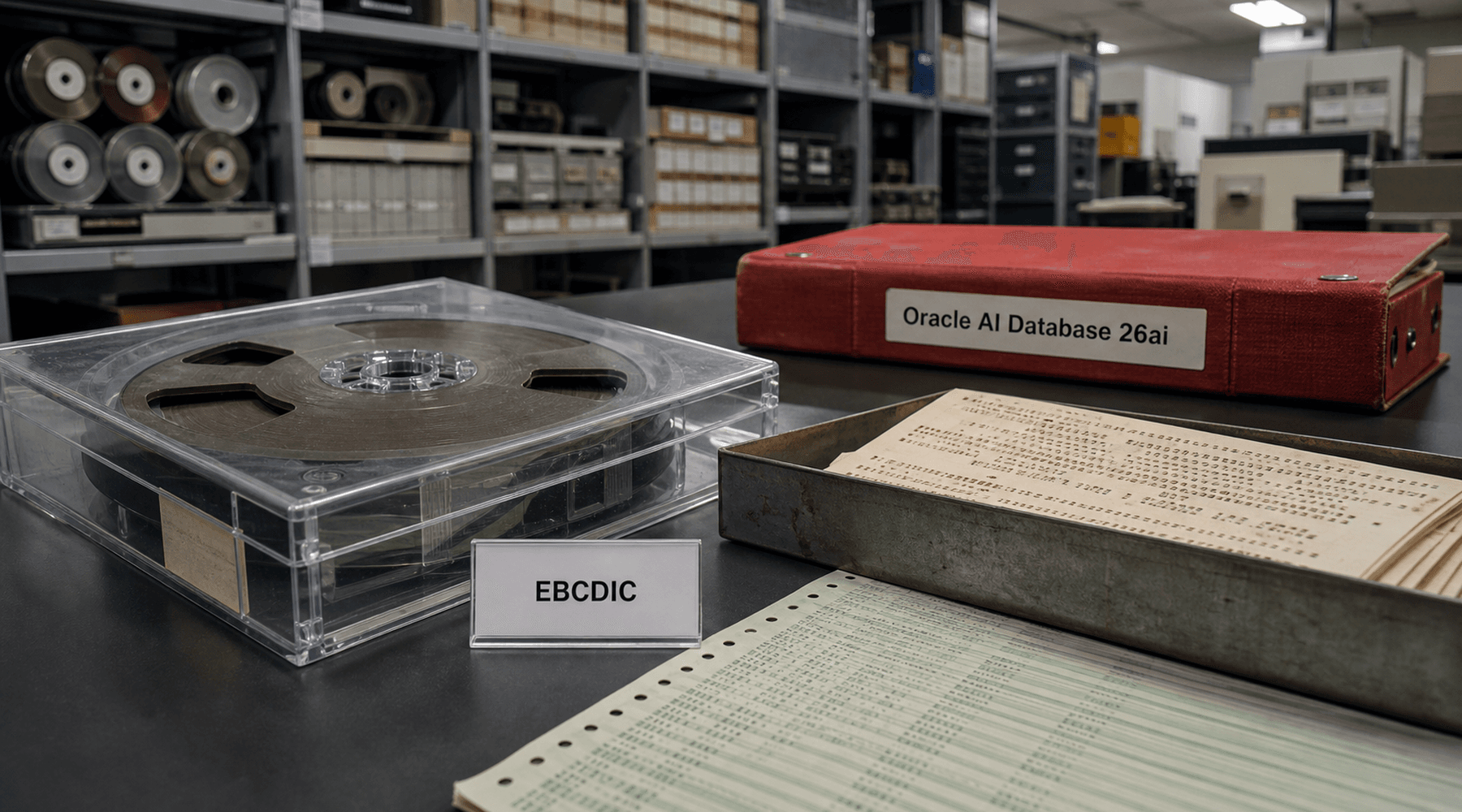
Oracle's new EBCDIC compatibility work is a reminder that mainframe migration fails when old byte ordering is treated as a data-conversion footnote.
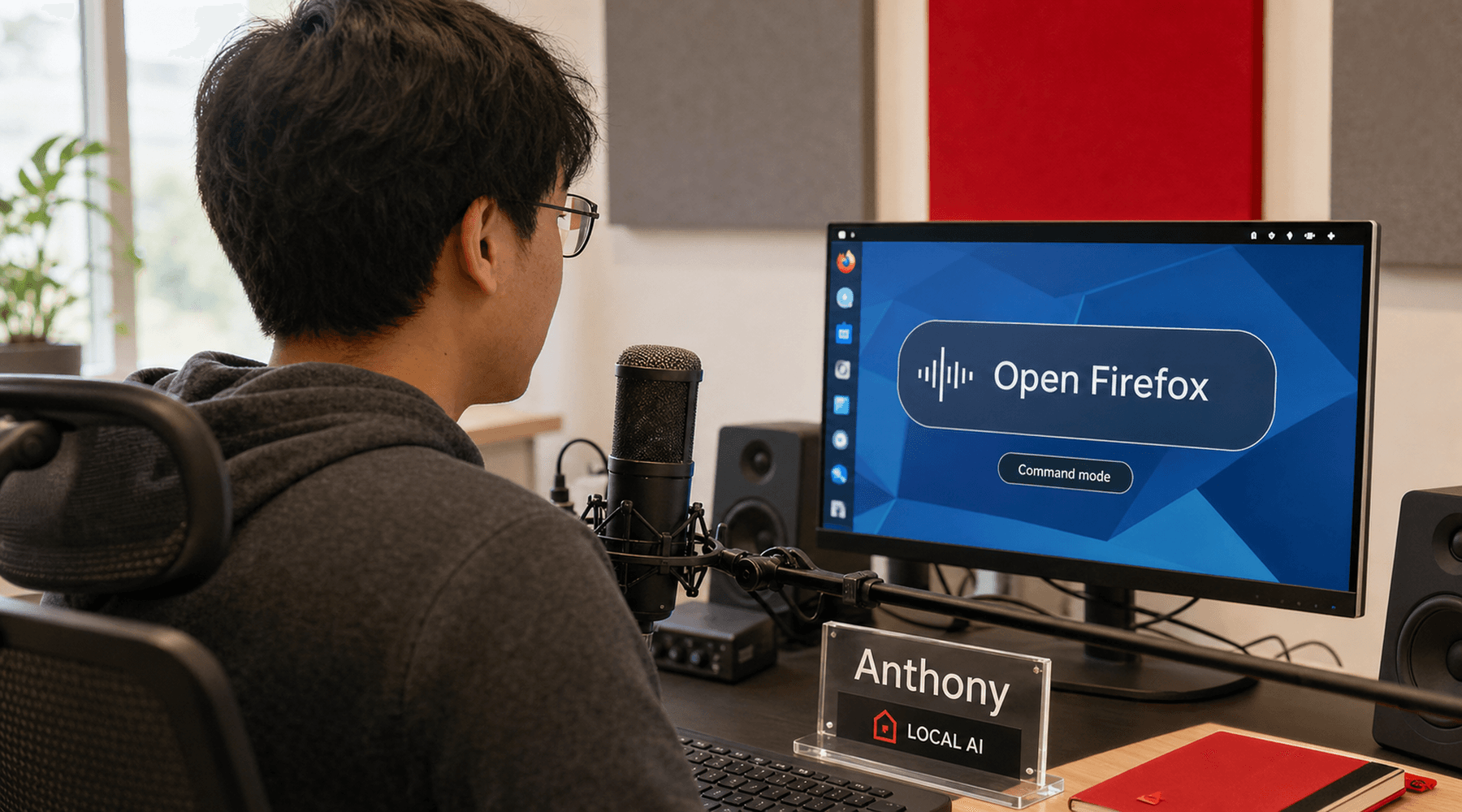
Red Hat Developer highlighted Anthony, a local AI voice-control layer that turns GNOME desktop actions into spoken commands.
Cloudflare's pvcli gives OHTTP, CONNECT proxying, and future MASQUE work a curl-like test harness for privacy-preserving protocols.
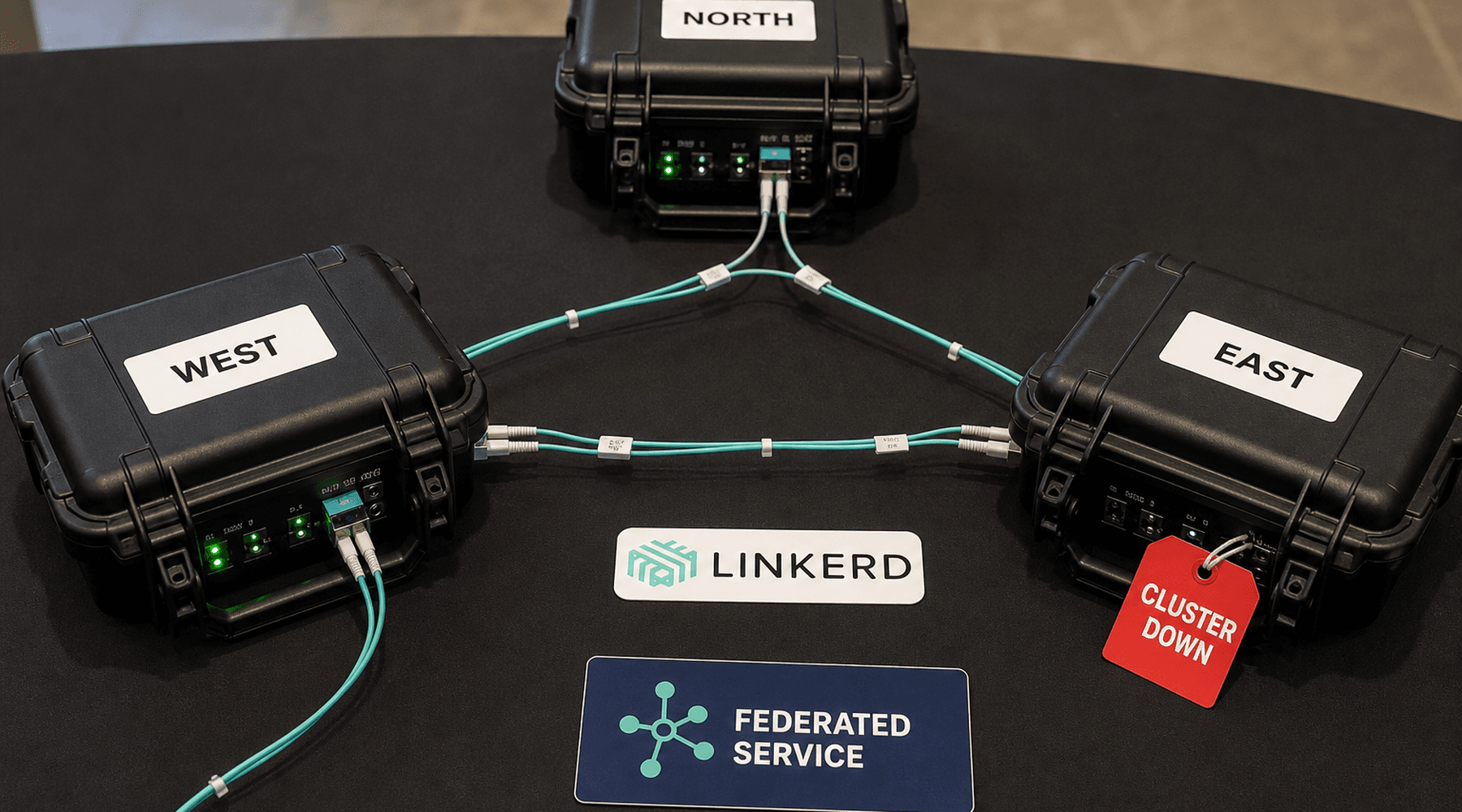
A CNCF Linkerd multicluster demo shows why spare Kubernetes clusters need service identity, routing, and failure behavior to matter.
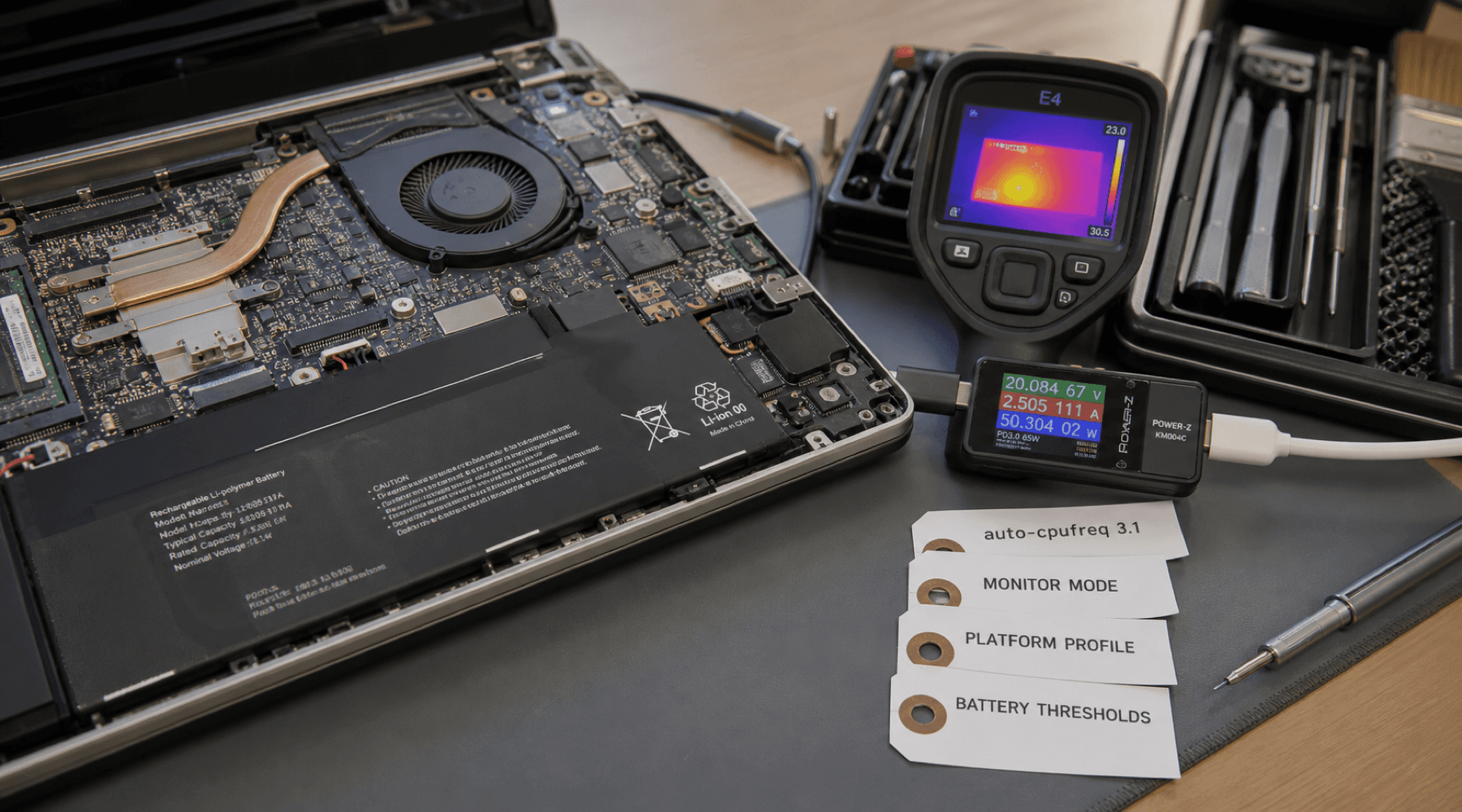
Auto-CPUFreq 3.1 adds GUI monitoring and tighter laptop power controls, turning Linux power tuning into something operators can inspect.
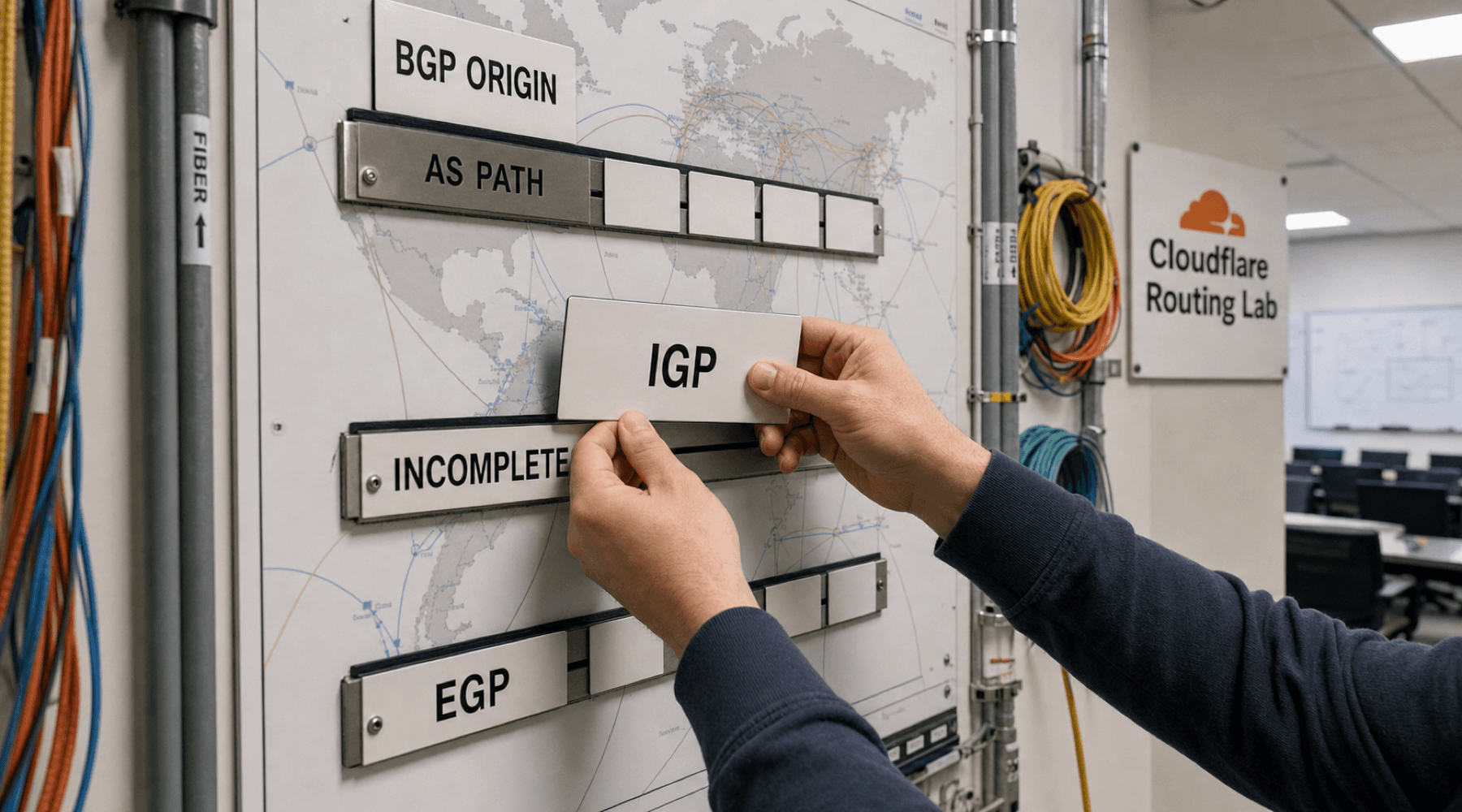
Cloudflare found widespread BGP ORIGIN rewrites, showing how an old routing attribute can still bend Internet path selection.
GitHub's new Dependabot cooldown waits three days before version-update pull requests, giving fresh package releases time to collect scrutiny.
PyPI now rejects new files on releases older than 14 days, narrowing a supply-chain path where a compromised publisher could poison a long-stable version.
Block's open-source Buzz puts humans, AI agents, workflows, and Git events into one signed workspace, with scoped agent identities instead of borrowed human accounts.
A Google Cloud europe-west4-a outage showed that managed cloud services can still share a facility-level dependency, even when the rest of a zone and region look healthy.
Microsoft's open-source Dusseldorf project turns out-of-band application security testing into private infrastructure for capturing DNS, HTTP, and HTTPS callbacks.
GNU Hurd's Q2 2026 work shows progress on AArch64, 9P file sharing, storage translators, POSIX cleanup, and an early Rust path for writing Hurd translators.
KDE Plasma 6.8 is adding CPU affinity controls to System Monitor, turning a normally terminal-heavy scheduler override into something desktop users can inspect and apply directly.
Mozilla AI's Llamafile 0.10.4 adds Transcribefile, pushing speech-to-text into the same portable single-file pattern that made local LLMs easier to move across machines.
A CNCF walkthrough of vLLM on Kubernetes shows what private inference really needs: persistent model weights, service discovery, secrets, restart behavior, and an API boundary apps already understand.
Debian 12.15 closes the normal Bookworm support window while Debian 13 documents reduced i386 support, turning x86-32 from a regular install target into a legacy compatibility lane.
A Thomas Gleixner patch series slated for Linux 7.3 tightens the kernel's syscall entry path, making stack randomization more consistent and the x86 syscall logic easier to follow.
Linux staging fixes are tightening the Realtek RTL8723BS Wi-Fi driver against malformed over-the-air data from malicious access points, closing several out-of-bounds paths in old driver code.
LLVM has merged x86 and x86_64 support for Lightweight Fault Isolation, giving native C, C++, and assembly code a compiler-level path toward in-process sandboxing.
Mistral's Robostral Navigate is an 8B embodied-navigation model that steers robots from plain-language instructions using one ordinary RGB camera instead of LiDAR, depth sensors, or multi-camera rigs.
Linux Mint's Cinnamon desktop is moving Wayland out of the experimental lane while keeping X11 fully supported. The interesting part is not protocol ideology. It is desktop compatibility work.
TypeScript 7 is not just a faster compiler release. The Go-based native port changes the cost of type checking, editor diagnostics, watch mode, and build feedback for large JavaScript codebases.
Red Hat's NetworkManager 1.58 work turns IPv6-mostly networking into something Linux clients can actually operate: DHCPv4 Option 108, CLAT, NAT64, and eBPF packet translation instead of endless dual stack.
ECMAScript 2026 is a standards release about practical pressure points: precise numeric sums, async collection construction, iterator composition, binary encoding helpers, map defaults, error checks, and finer JSON control.
OpenSSH 10.4 is not a flashy remote-access release. It is the kind operators should notice anyway: stricter sandbox failure behavior, tighter rekey handling, SFTP and SCP security fixes, and a cautious post-quantum signature experiment.
Canonical's latest Ubuntu-on-ARM update is less about one flashy device and more about architecture parity: main archive delivery, Livepatch, Secure Boot laptop work, FEX-backed gaming, and a shrinking desktop software gap.
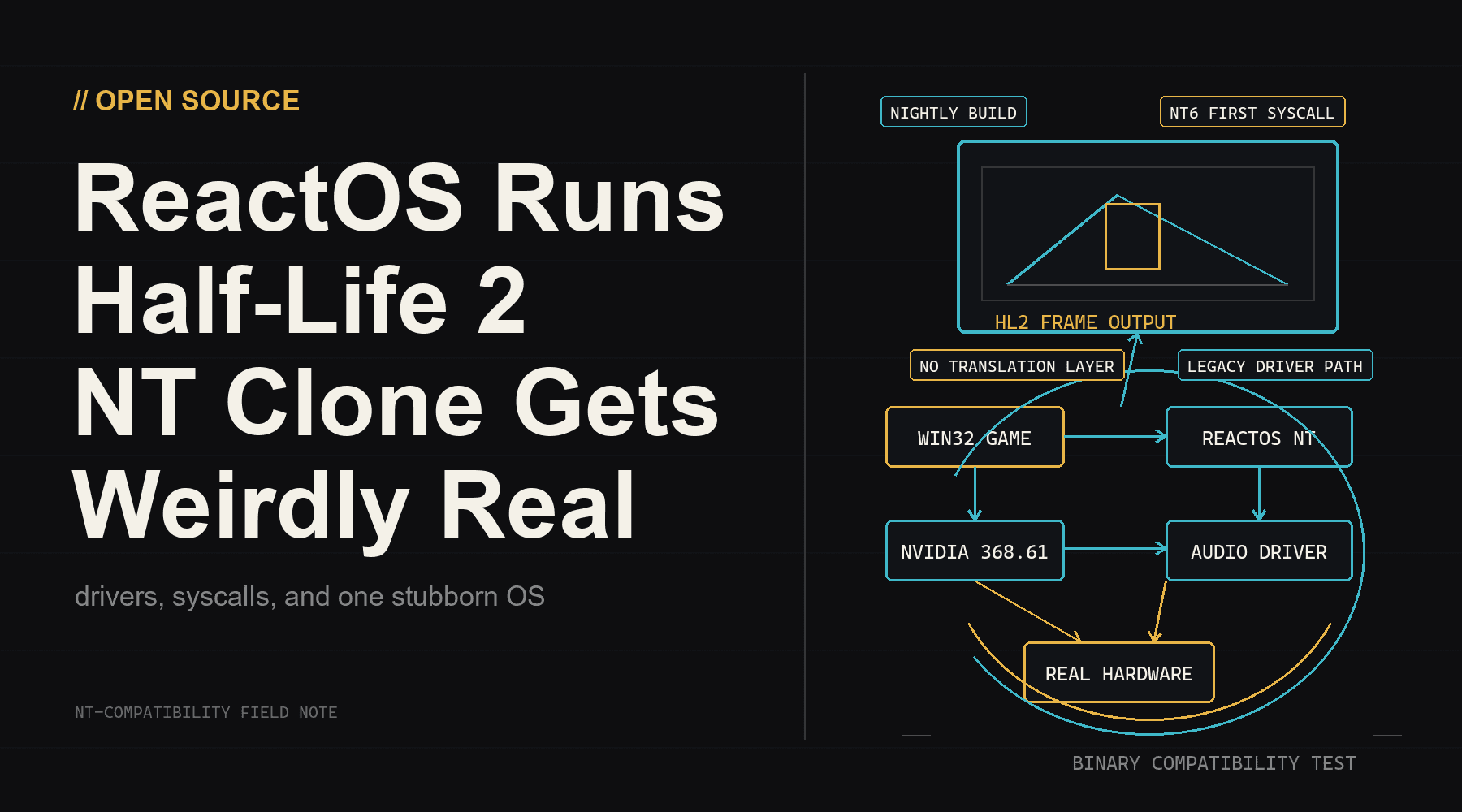
ReactOS booting Half-Life 2 with legacy Windows drivers is funny on the surface and serious underneath: the open-source NT clone is proving more of the Windows stack in public.