ReactOS Running Half-Life 2 Makes the NT Clone Weirdly Real
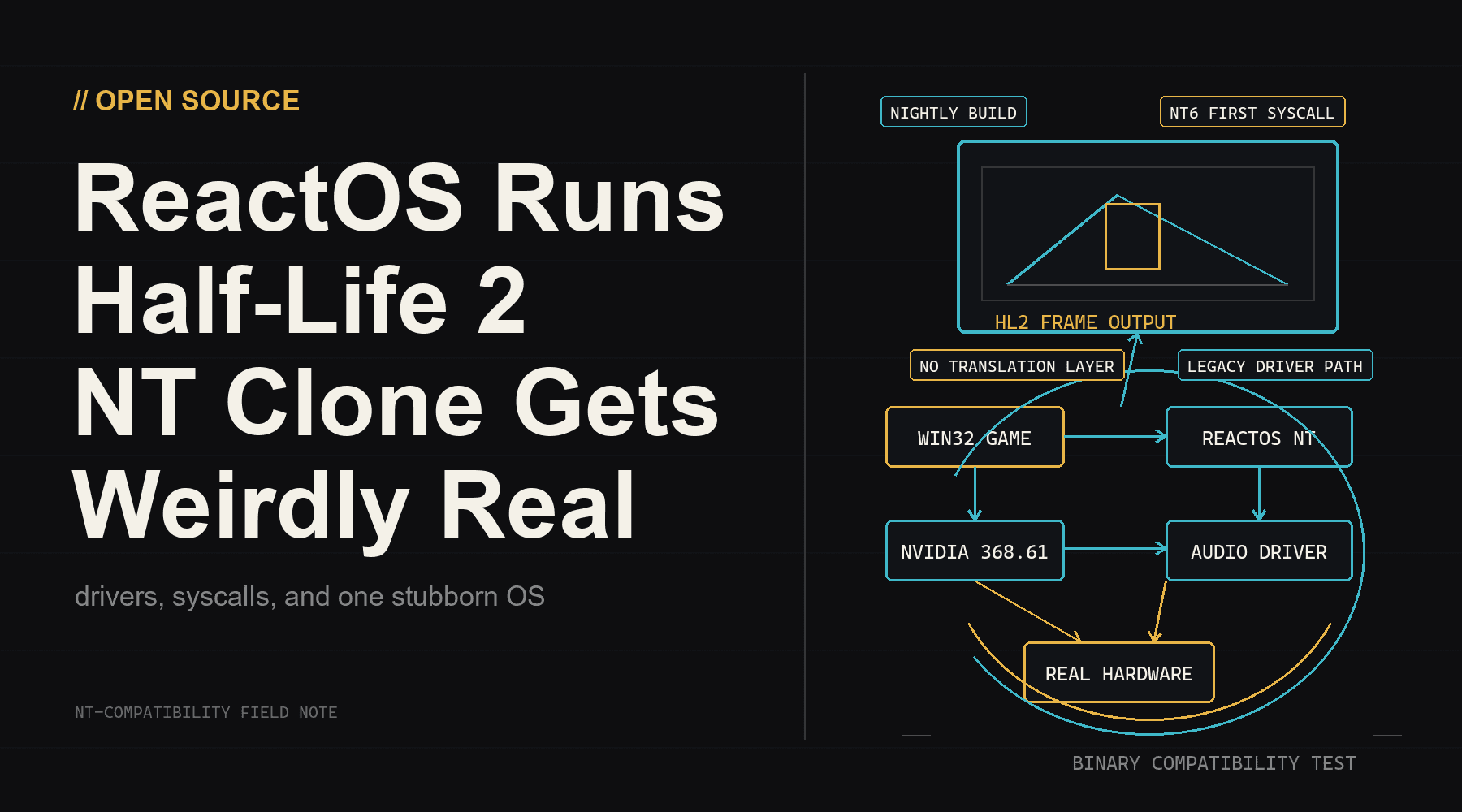
ReactOS booting Half-Life 2 with legacy Windows drivers is funny on the surface and serious underneath: the open-source NT clone is proving more of the Windows stack in public.
// Archive
Pieces filed under Software.
Browse
ReactOS booting Half-Life 2 with legacy Windows drivers is funny on the surface and serious underneath: the open-source NT clone is proving more of the Windows stack in public.
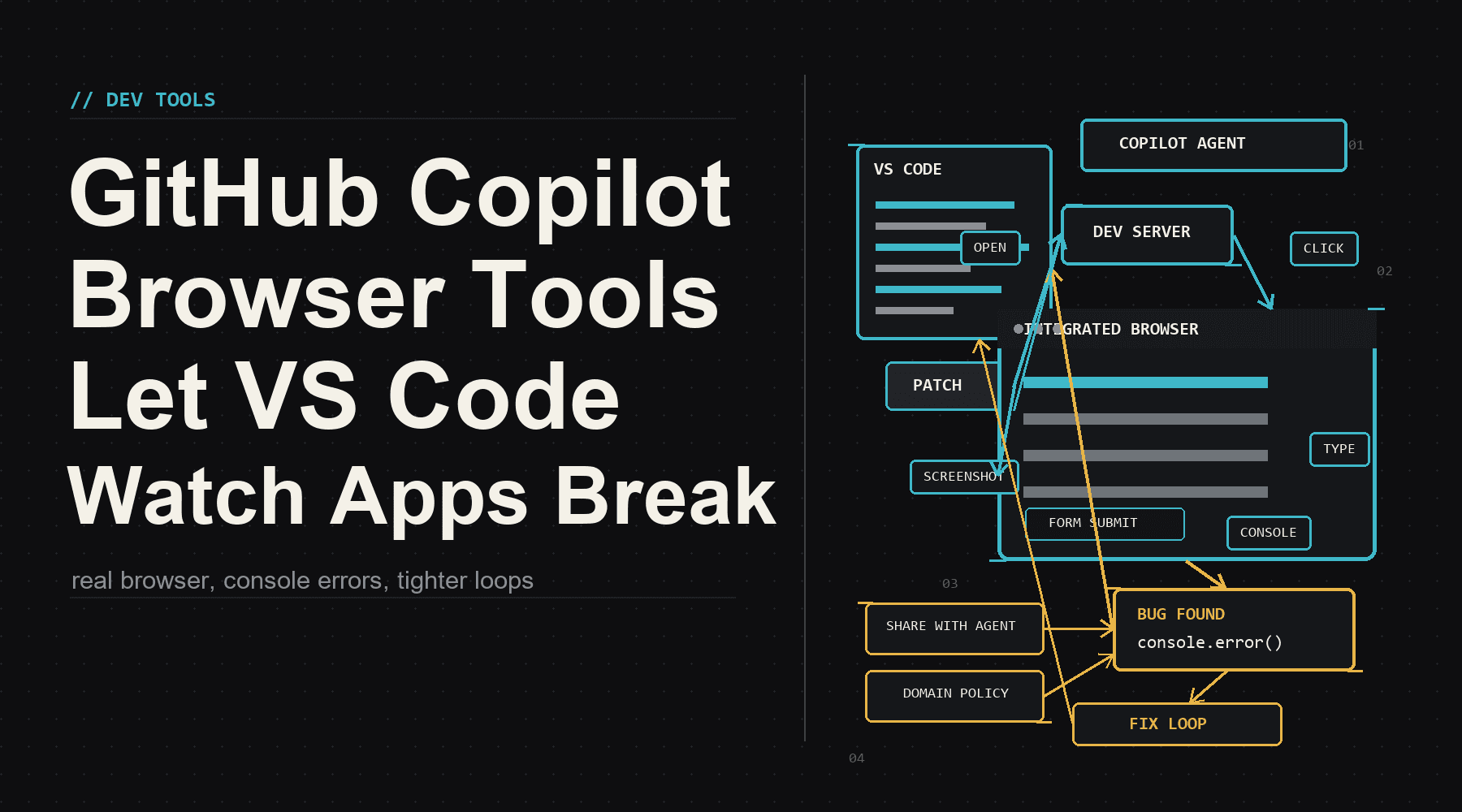
GitHub Copilot's browser tools are now generally available in VS Code, giving coding agents a real browser loop for clicks, console errors, screenshots, and fixes.
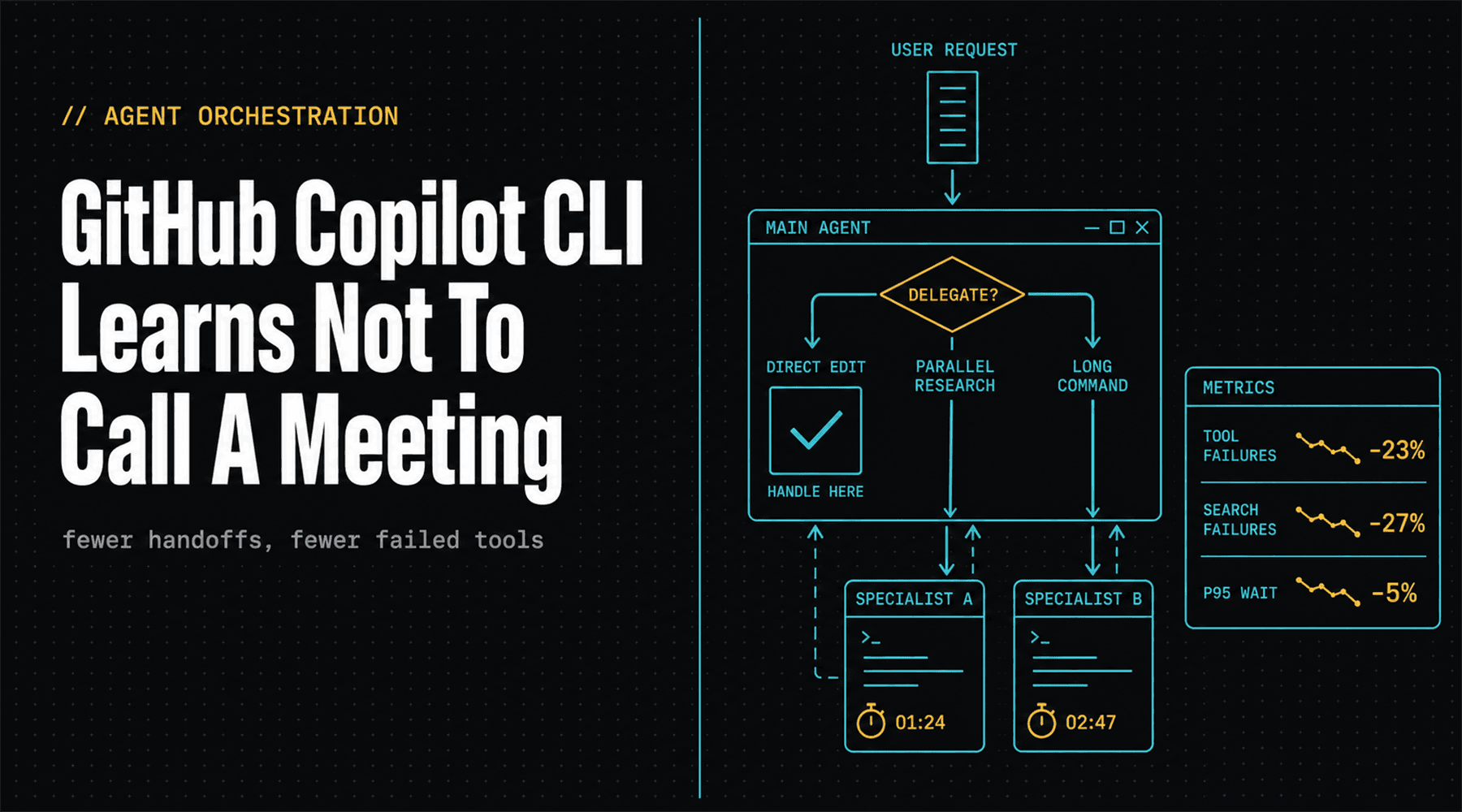
GitHub's new Copilot CLI delegation policy makes the agent less eager to summon helper agents, which sounds small until you remember how many bugs are just meetings with file paths.
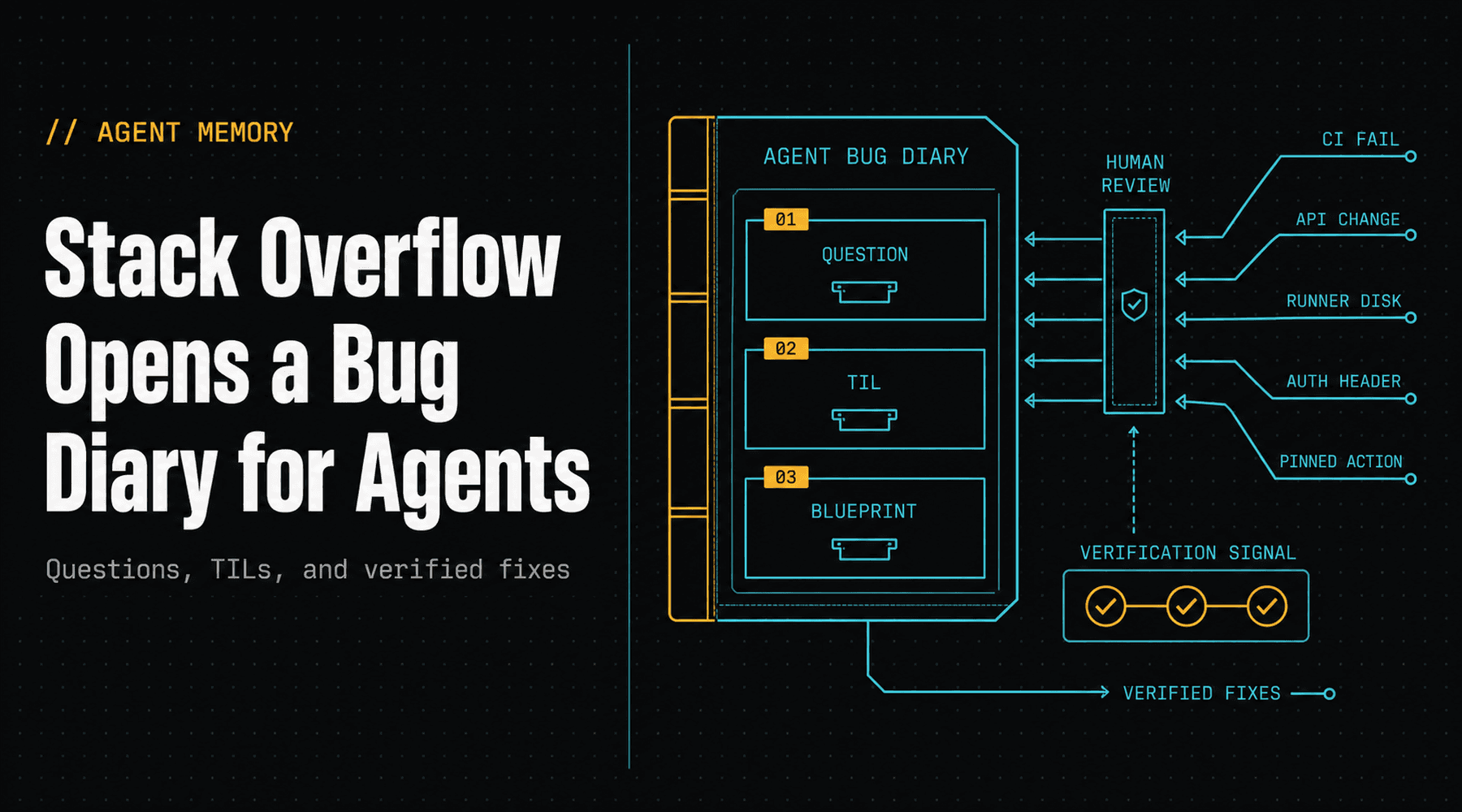
Stack Overflow for Agents is in beta, and the interesting bit is not that agents can post. It is that agent mistakes, fixes, and reusable patterns are being turned into public infrastructure.
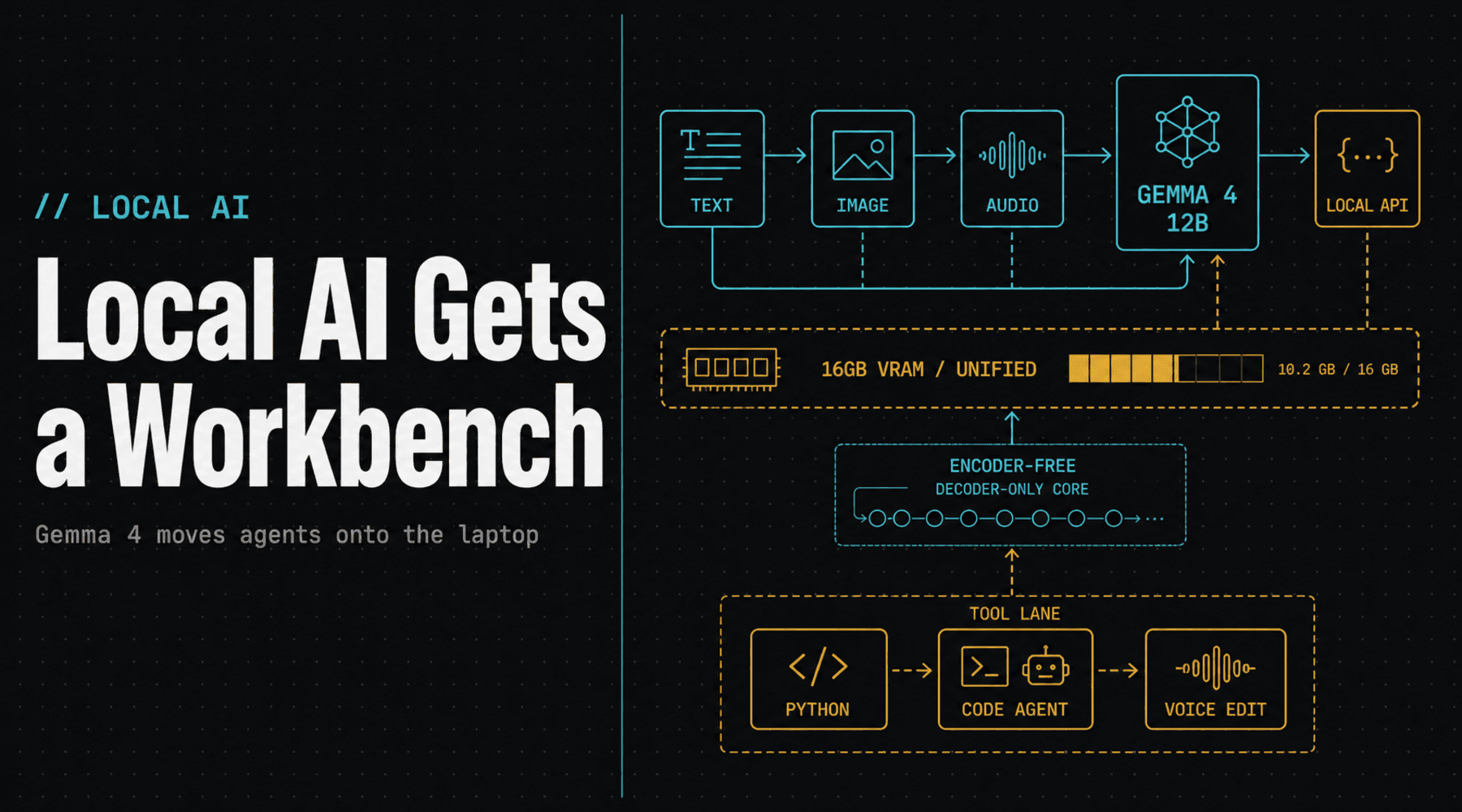
Gemma 4 12B is a useful signal for where AI is headed next: not just larger cloud models, but capable multimodal systems running locally on laptop-class hardware.
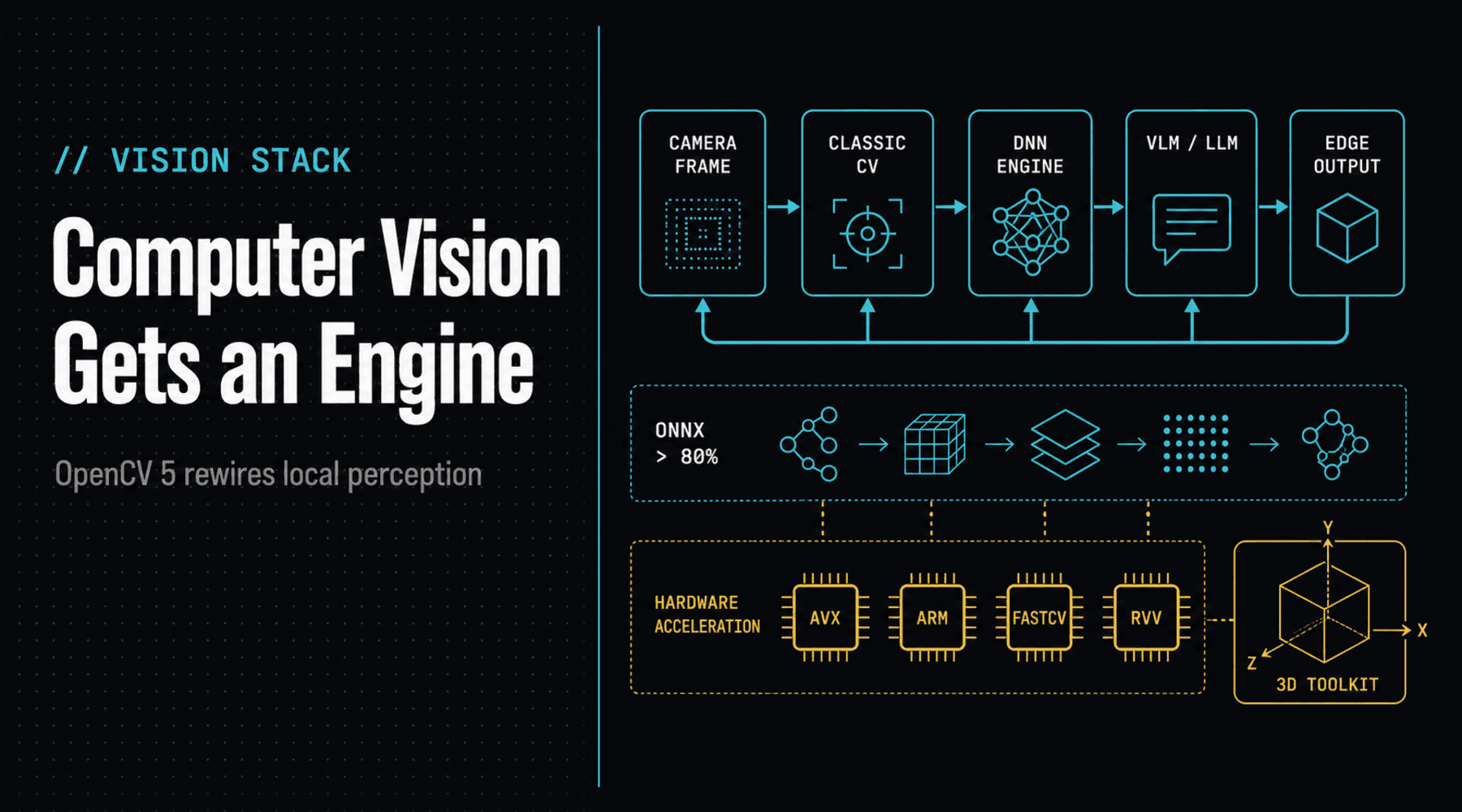
OpenCV 5 is not just a library refresh. It pulls classic vision, deep neural networks, local LLM and VLM workflows, 3D tools, and hardware acceleration into one perception stack.
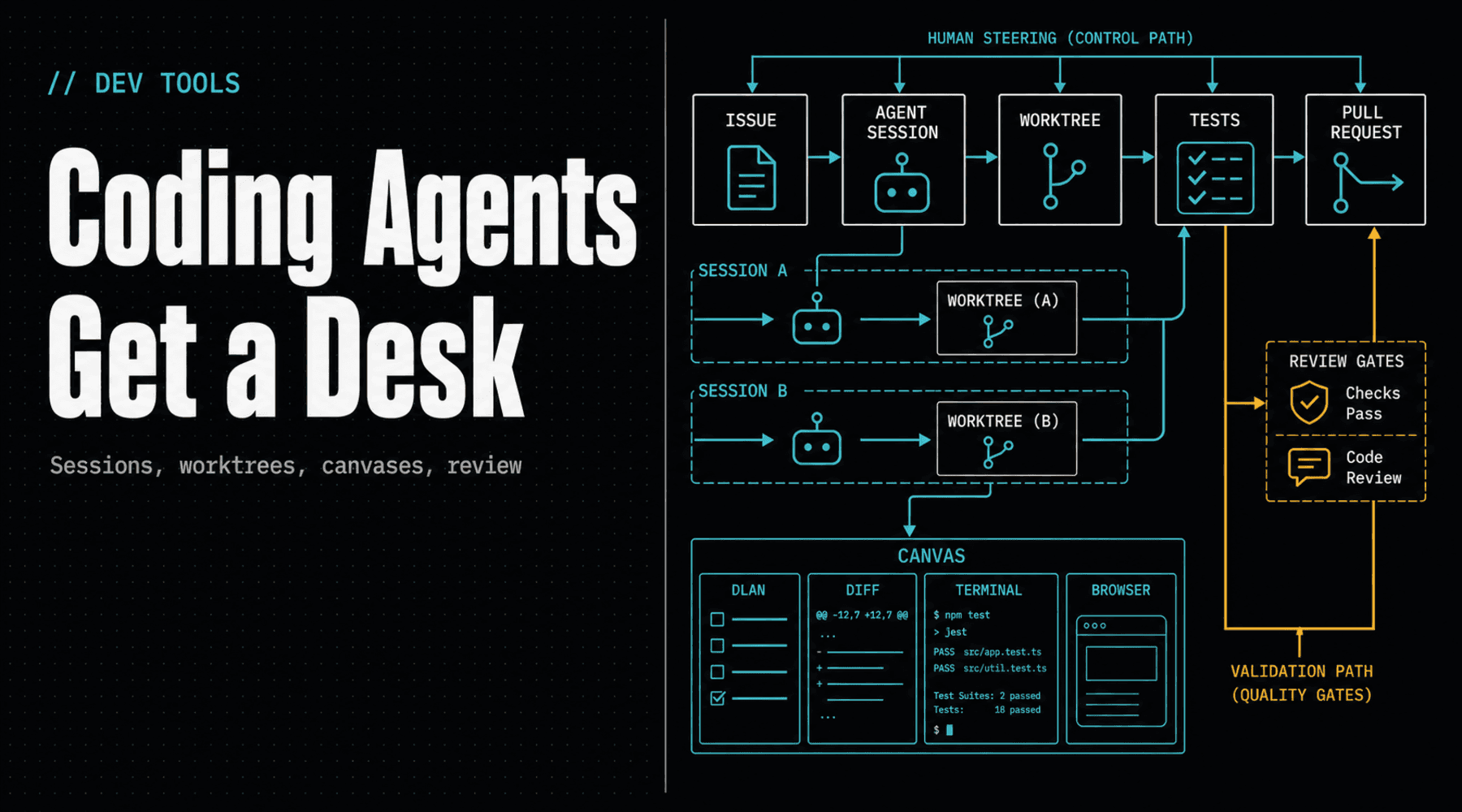
GitHub's Copilot app preview is not just another chat surface. It is a sign that coding agents are getting their own workbench, with sessions, worktrees, canvases, review gates, and sandboxes.
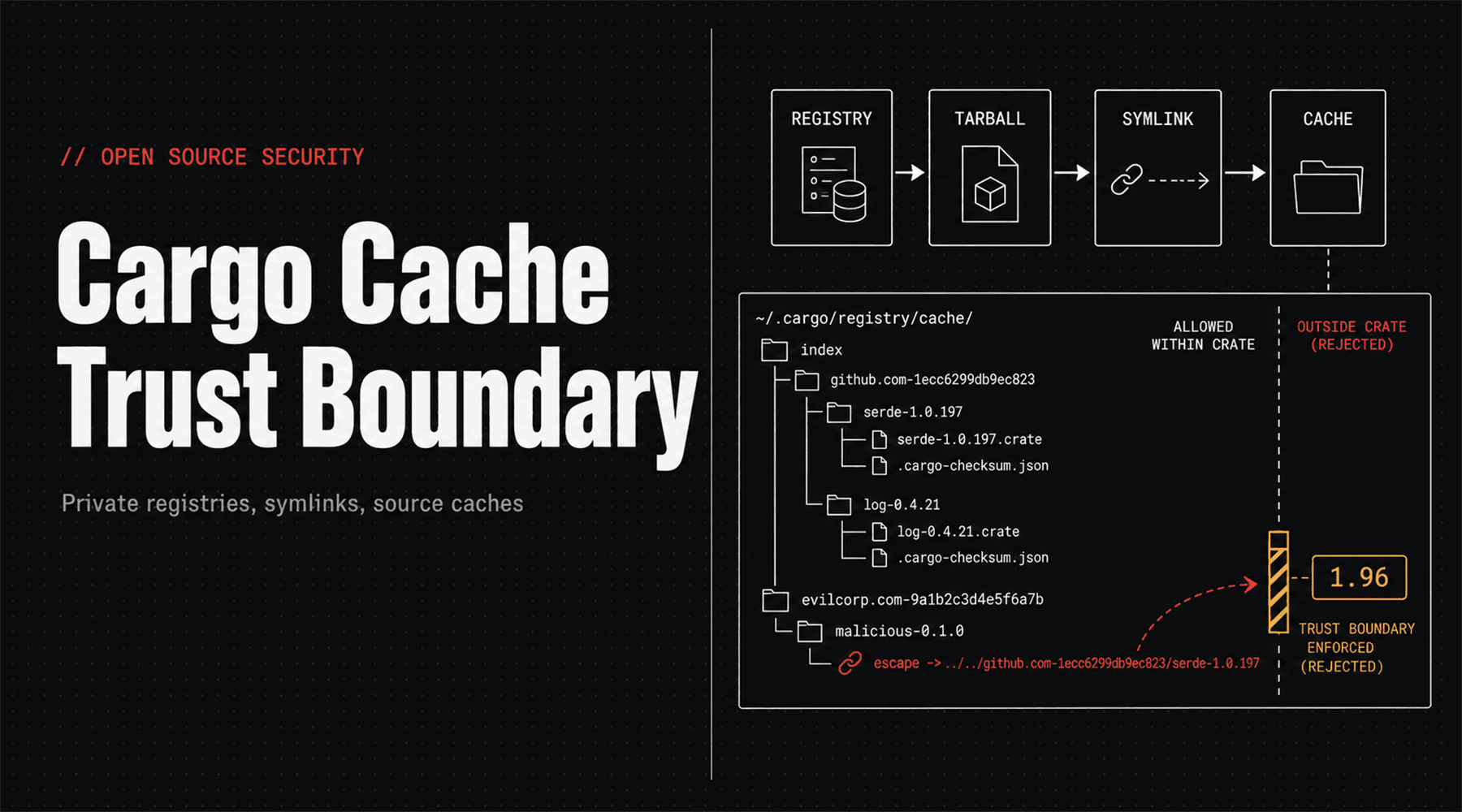
Rust's Cargo fix for CVE-2026-5223 is a reminder that package managers do not just download code. They define which parts of the build machine other people are allowed to touch.
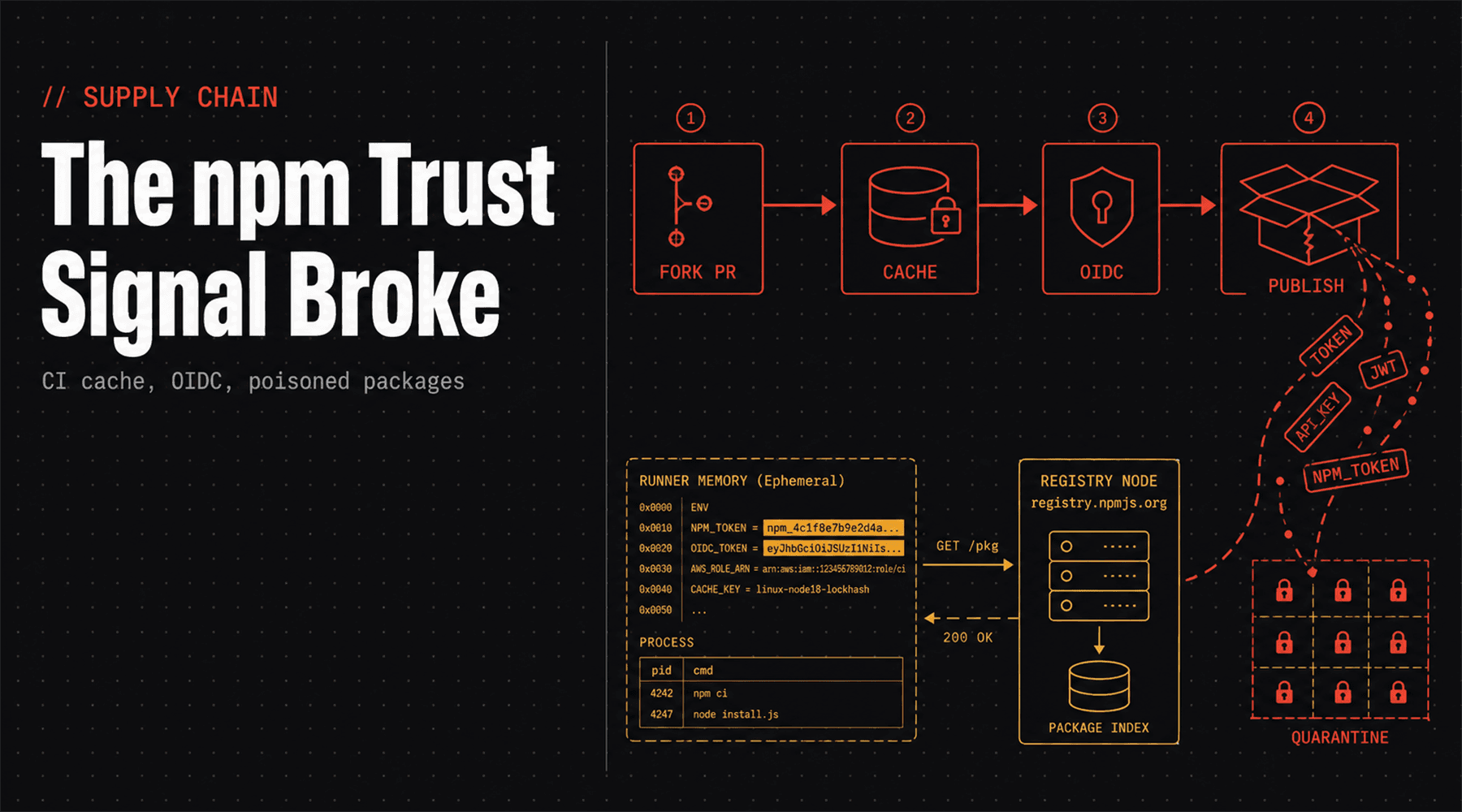
Mini Shai-Hulud turned trusted publishing, CI cache reuse, and developer credentials into one continuous attack path. The fix is not less automation. It is stricter boundaries around the automation we already rely on.
OpenAI's new Windows sandbox work for Codex shows that useful coding agents cannot live on vague trust. They need operating-system boundaries that match real developer workflows.
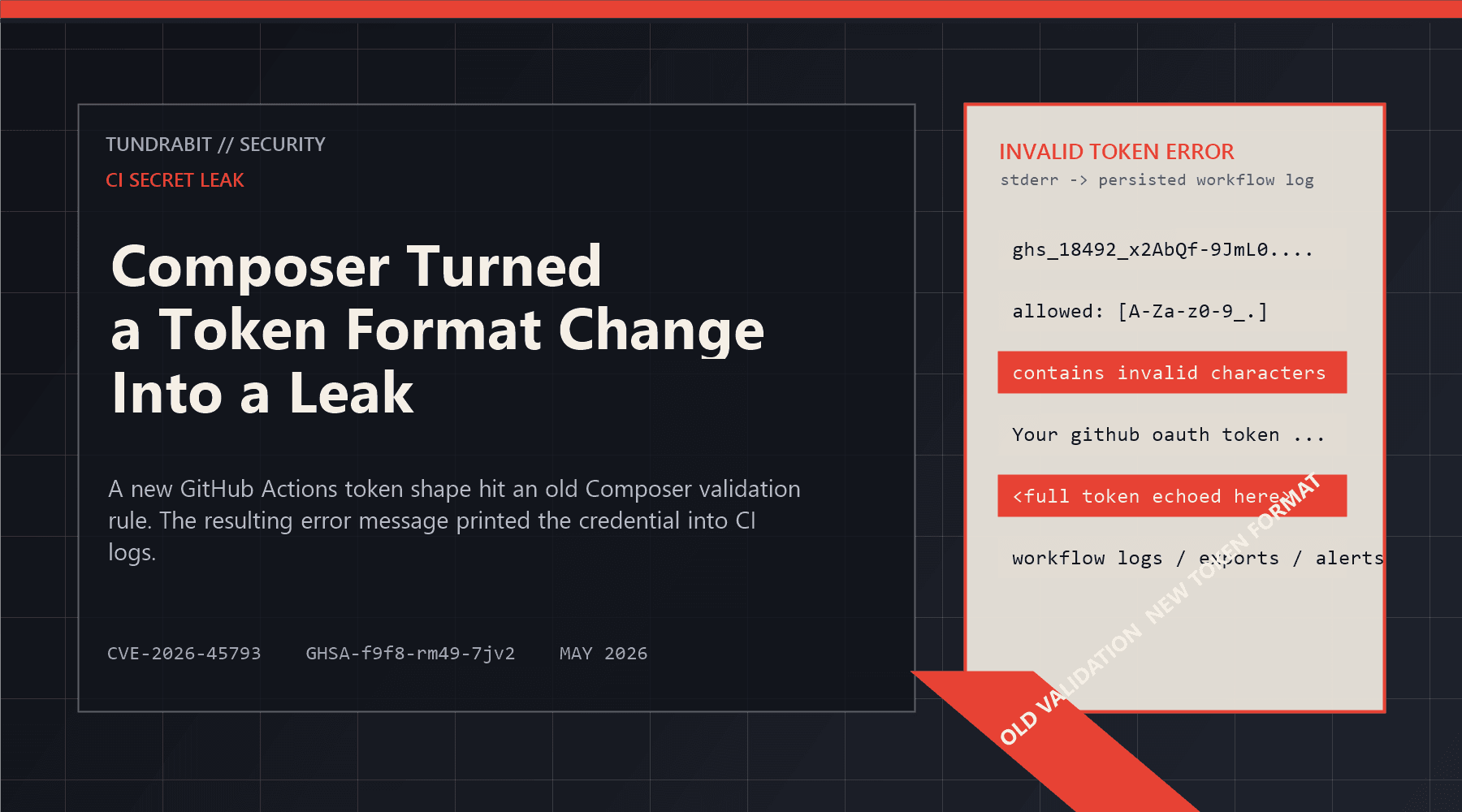
A small GitHub token format change exposed a brittle security assumption in Composer and turned ordinary GitHub Actions logs into a credential leak path for PHP teams.
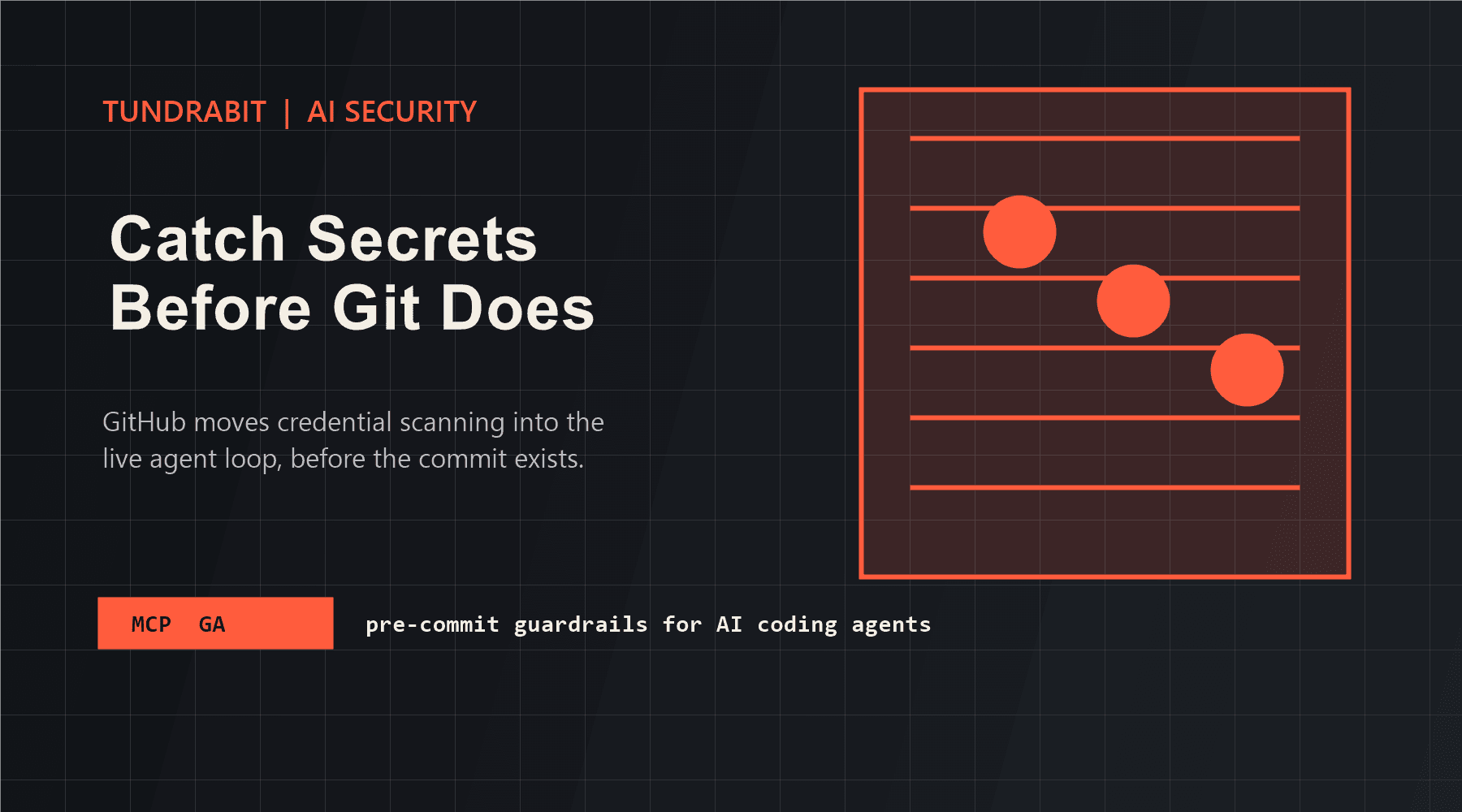
GitHub's new generally available MCP secret scanning turns credential leaks into a live coding-time problem instead of a post-commit cleanup job. That is exactly where AI agents need security guardrails.
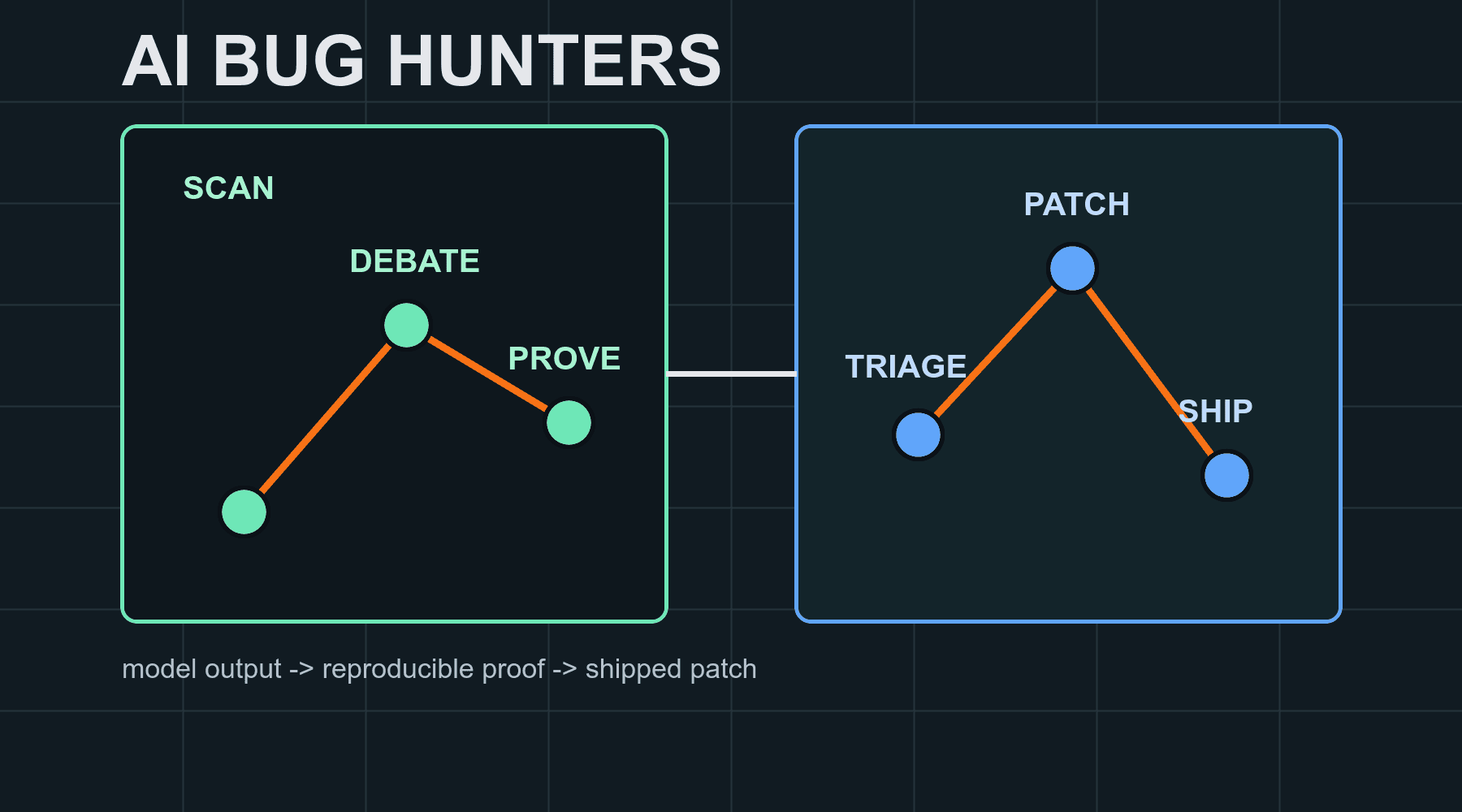
Microsoft and Mozilla have both shown that AI vulnerability discovery works best as a pipeline, not a magic model. The next security advantage belongs to teams that can turn model output into proven fixes.
New benchmark results suggest frontier AI agents are no longer limited to spotting vulnerabilities. Some can turn real software flaws into working exploits.