Muse Let Local Code Inherit the Agent's Reach
Meta hot-fixed a Muse control that let unprivileged Mac code redirect dictation, capture agent authentication material, and borrow the assistant's trusted reach.
// Topic
Meta hot-fixed a Muse control that let unprivileged Mac code redirect dictation, capture agent authentication material, and borrow the assistant's trusted reach.
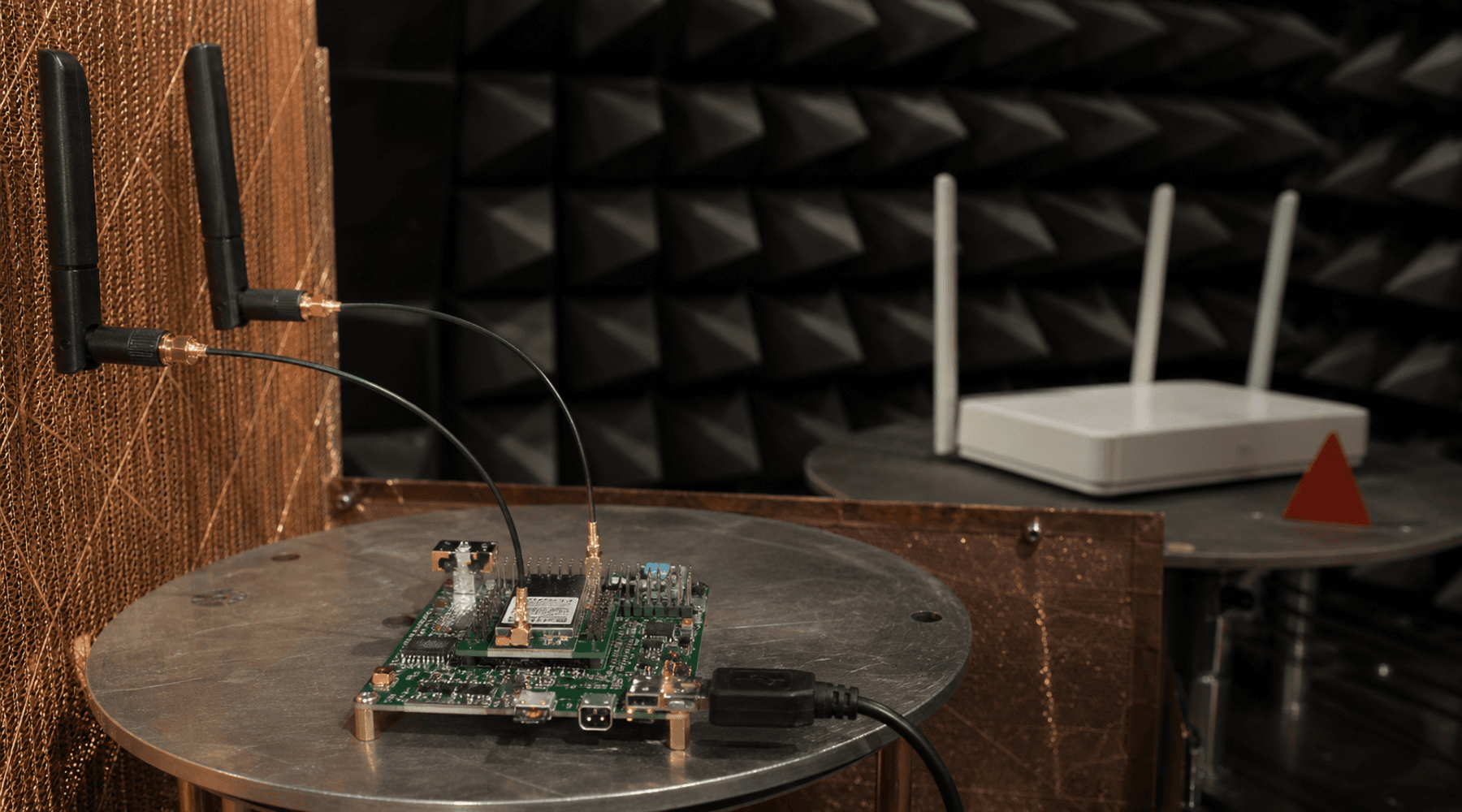
A new Linux crypto patch series turns post-quantum key exchange from a standards document into kernel infrastructure that protocol authors can actually test.
A fabricated batch of SQLite vulnerability reports shows why security automation needs verification gates, not just faster ingestion.
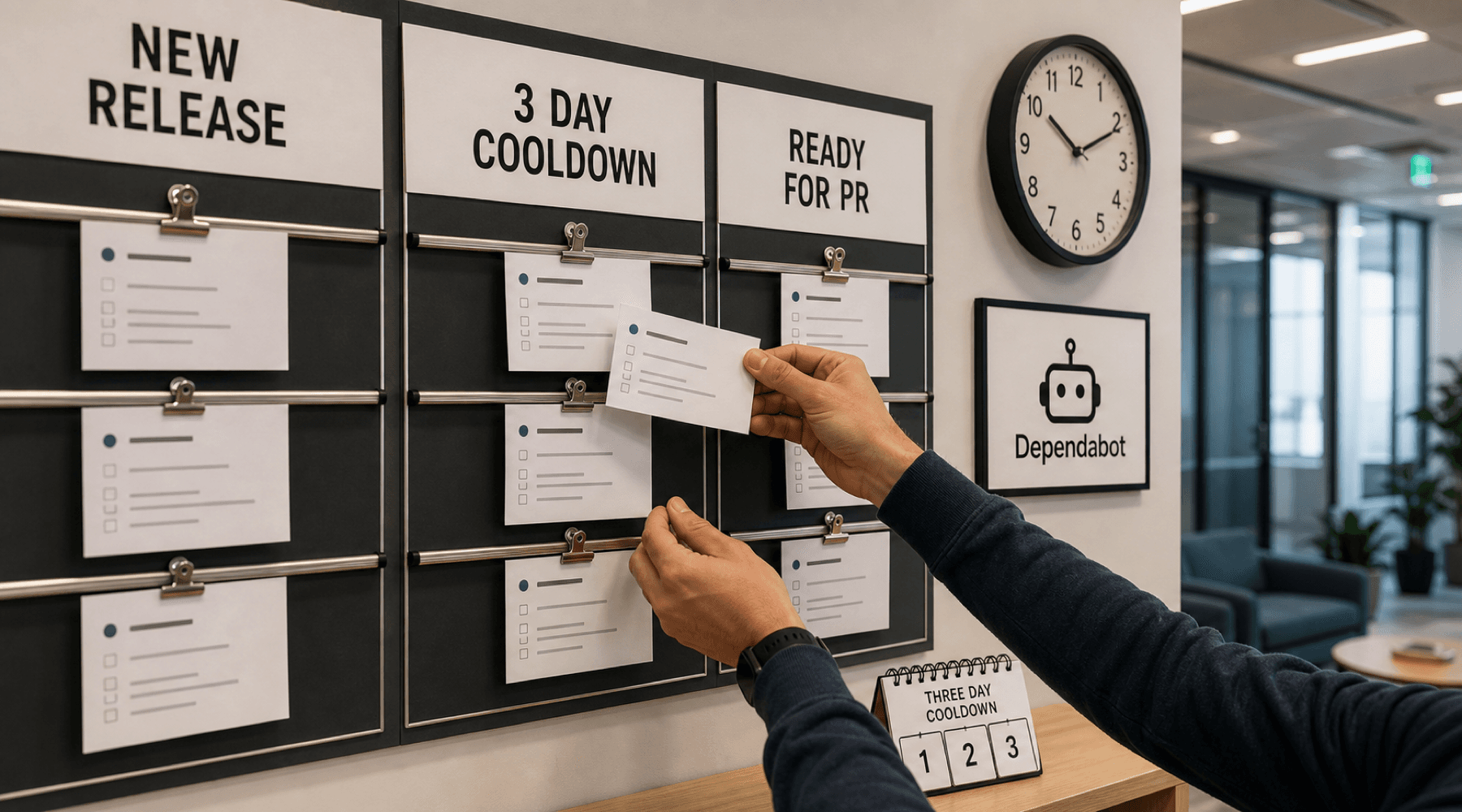
GitHub's new Dependabot cooldown waits three days before version-update pull requests, giving fresh package releases time to collect scrutiny.
PyPI now rejects new files on releases older than 14 days, narrowing a supply-chain path where a compromised publisher could poison a long-stable version.
Microsoft's open-source Dusseldorf project turns out-of-band application security testing into private infrastructure for capturing DNS, HTTP, and HTTPS callbacks.
A Thomas Gleixner patch series slated for Linux 7.3 tightens the kernel's syscall entry path, making stack randomization more consistent and the x86 syscall logic easier to follow.
Linux staging fixes are tightening the Realtek RTL8723BS Wi-Fi driver against malformed over-the-air data from malicious access points, closing several out-of-bounds paths in old driver code.
LLVM has merged x86 and x86_64 support for Lightweight Fault Isolation, giving native C, C++, and assembly code a compiler-level path toward in-process sandboxing.
OpenSSH 10.4 is not a flashy remote-access release. It is the kind operators should notice anyway: stricter sandbox failure behavior, tighter rekey handling, SFTP and SCP security fixes, and a cautious post-quantum signature experiment.
Security Profiles Operator v1 is a reminder that container hardening does not become operational until profiles can be recorded, reviewed, shipped, and bound like normal Kubernetes objects.
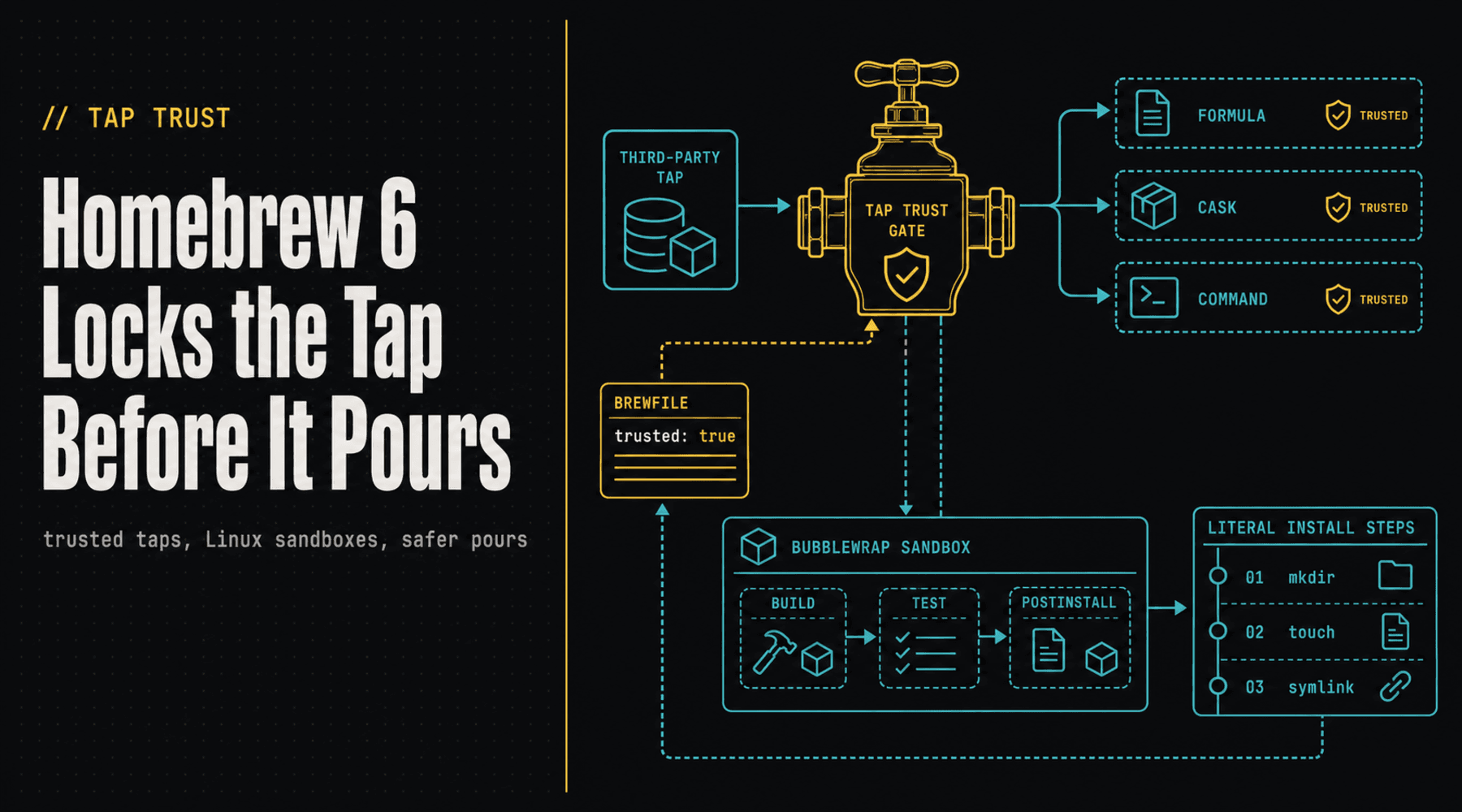
Homebrew 6.0 turns third-party taps into explicit trust decisions, adds Linux sandboxing, and quietly makes the developer laptop feel less like an unattended loading dock.
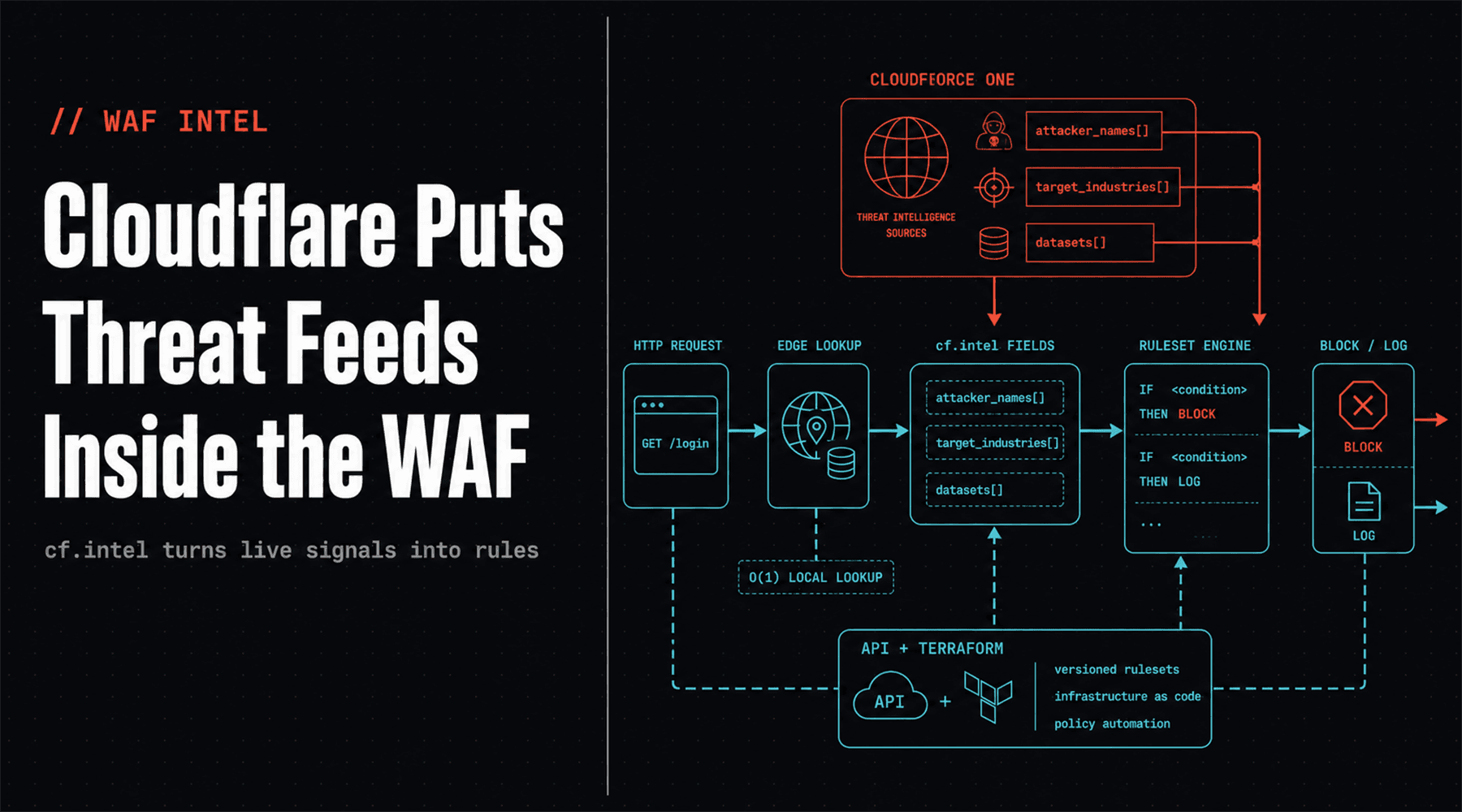
Cloudflare's new cf.intel WAF fields let teams turn Cloudforce One threat indicators into live rules, so bad traffic can be blocked by context instead of yesterday's copied IP list.
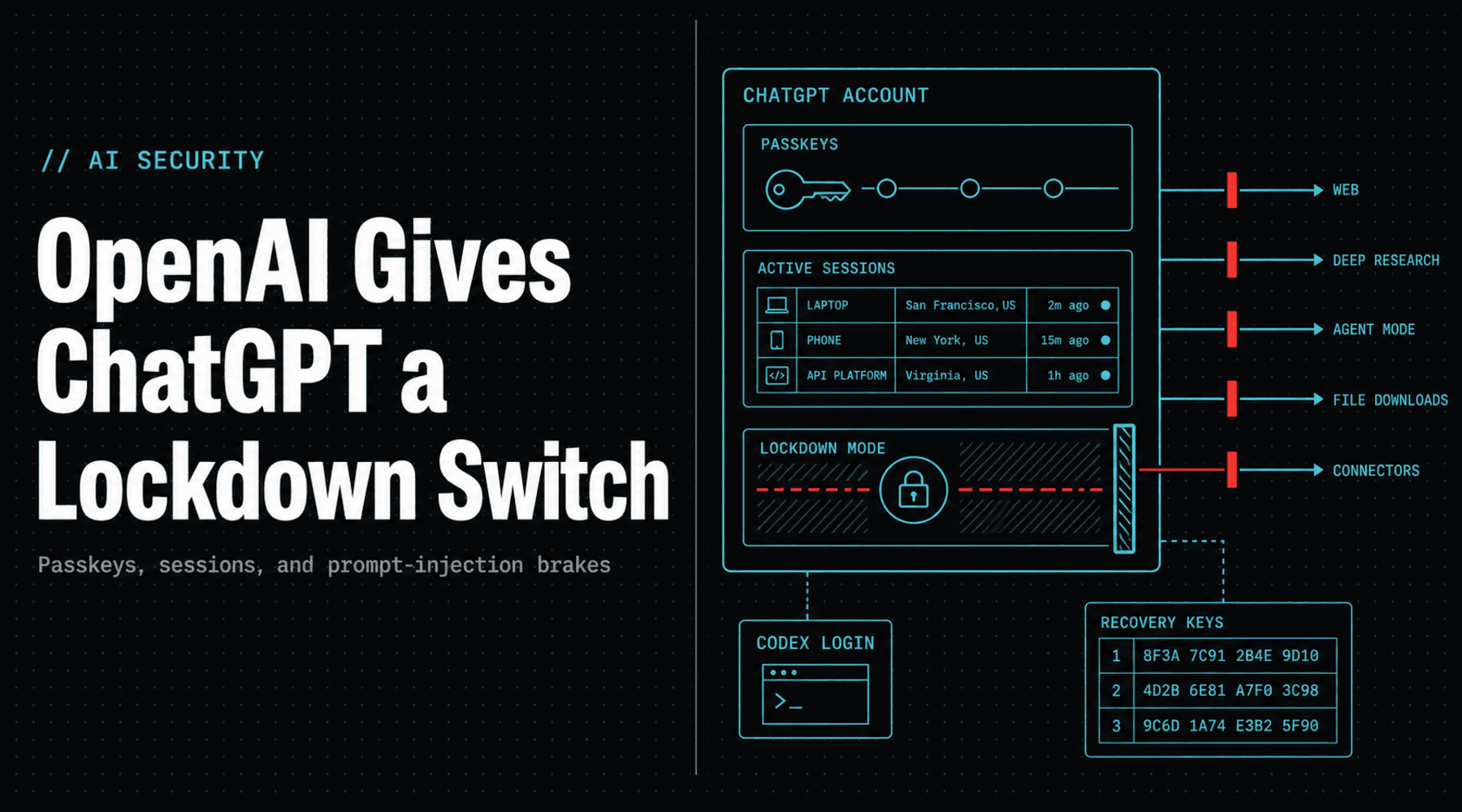
OpenAI is turning ChatGPT security into a real control surface with Lockdown Mode, Active sessions, passkeys, and stricter recovery for accounts that carry sensitive work.
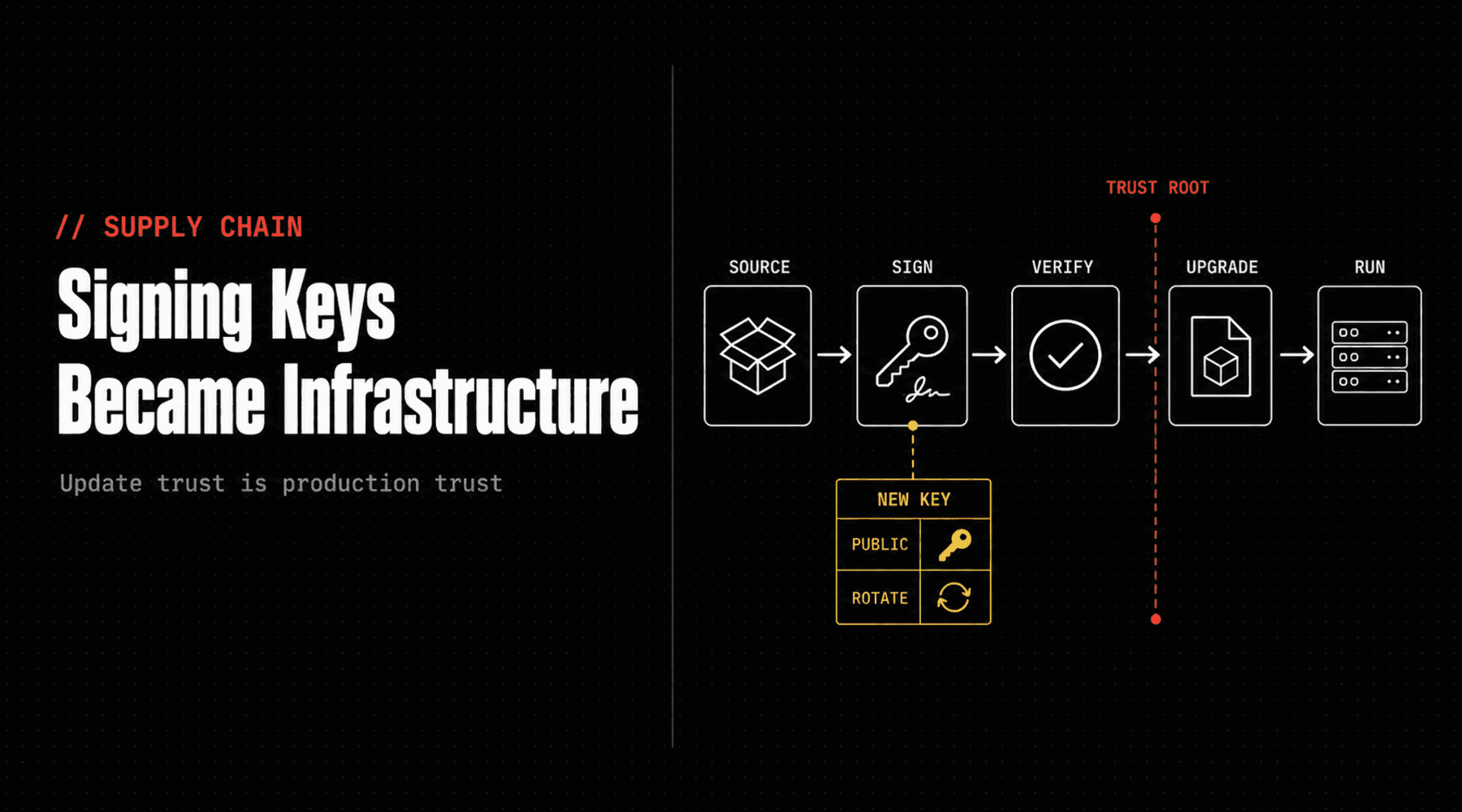
GitHub's Enterprise Server signing-key rotation is a reminder that update verification keys are not paperwork. They are part of the production control plane.
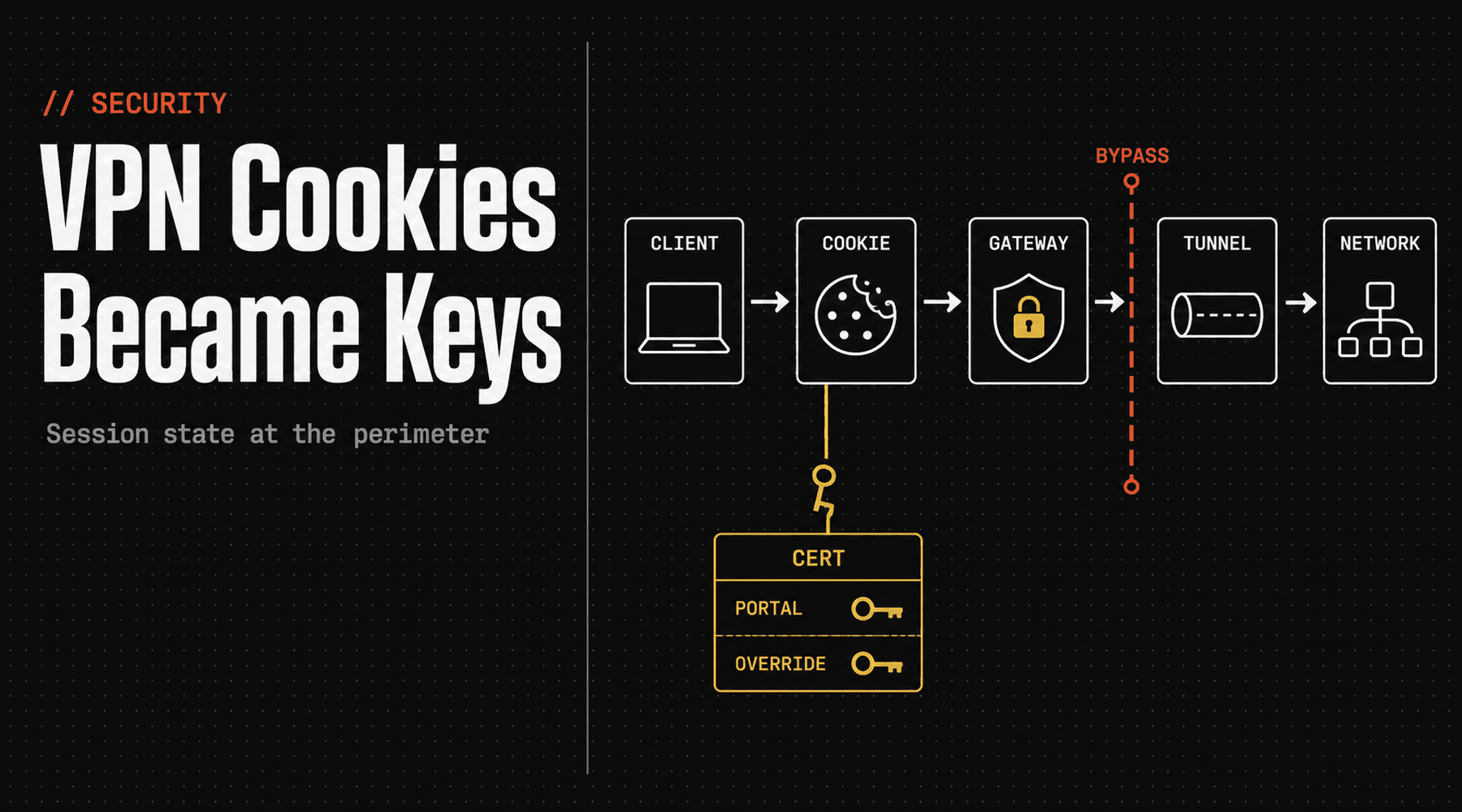
Palo Alto's exploited GlobalProtect bug is a reminder that convenience cookies on edge VPNs are not just session helpers. In the wrong configuration, they become perimeter keys.
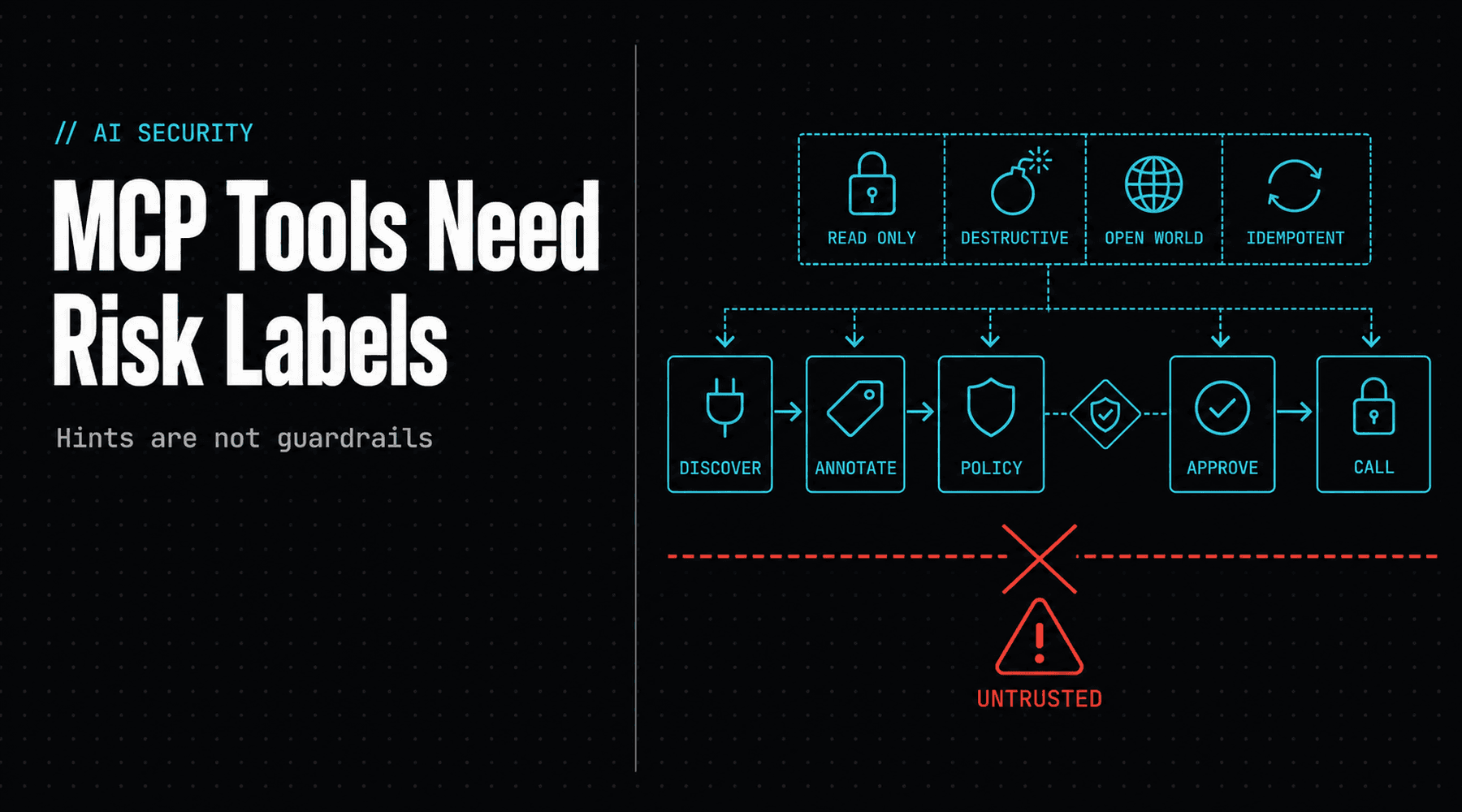
MCP tool annotations are becoming the vocabulary agents need for safer tool use, but labels only help when clients pair them with real policy, identity, and runtime controls.
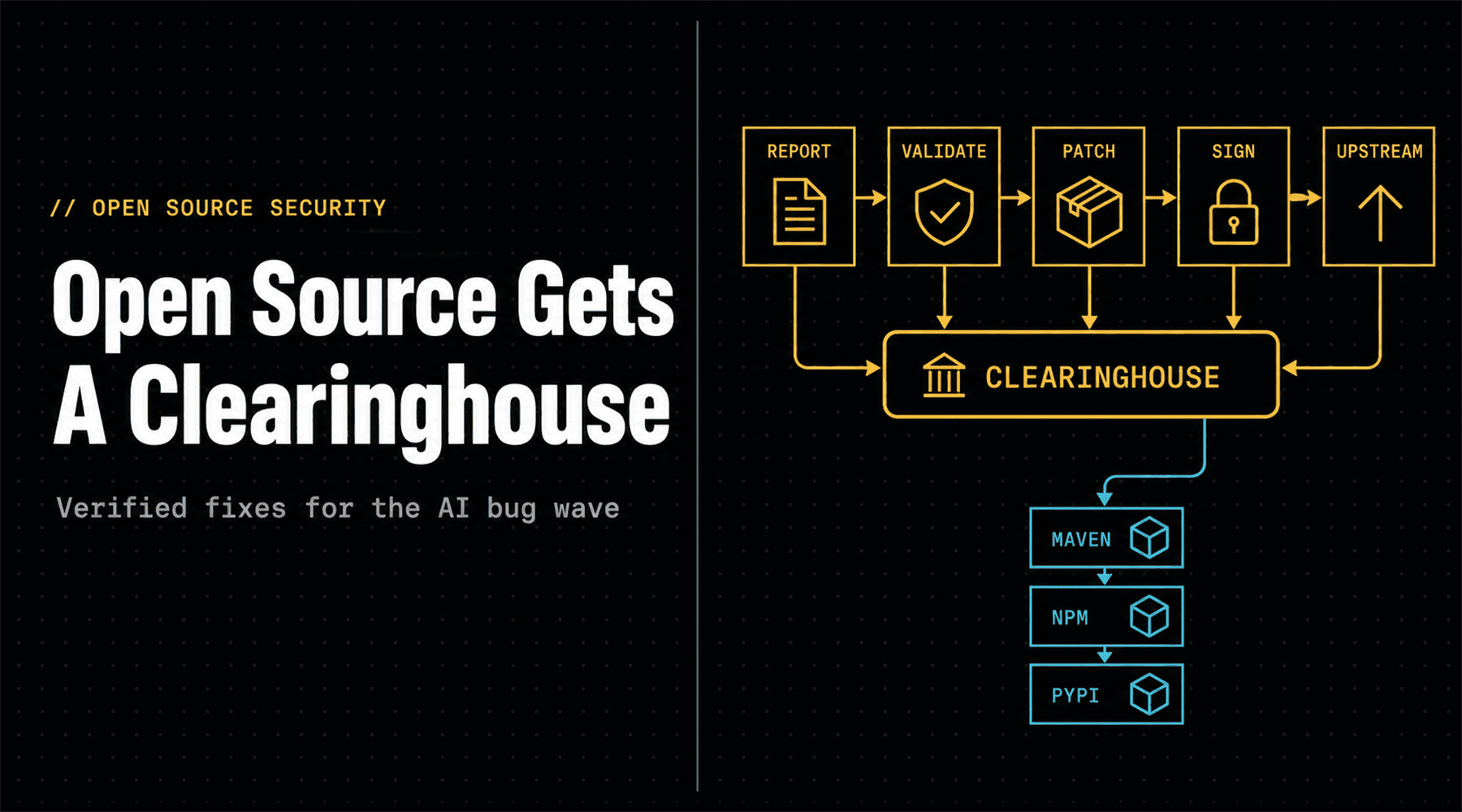
IBM and Red Hat's Project Lightwell points to a new phase of open source security: AI can find more bugs, but enterprises now need a coordinated system for verified fixes.
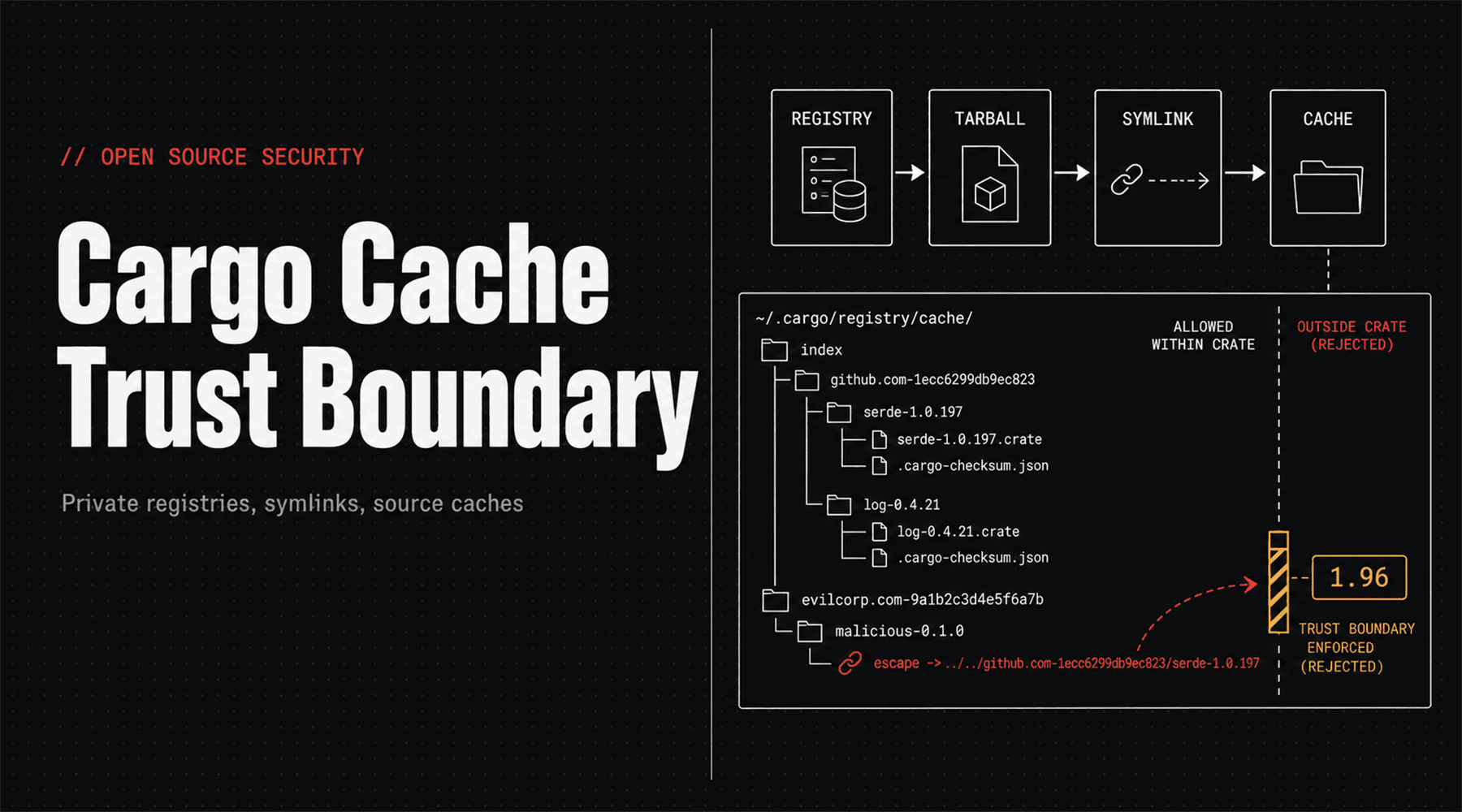
Rust's Cargo fix for CVE-2026-5223 is a reminder that package managers do not just download code. They define which parts of the build machine other people are allowed to touch.
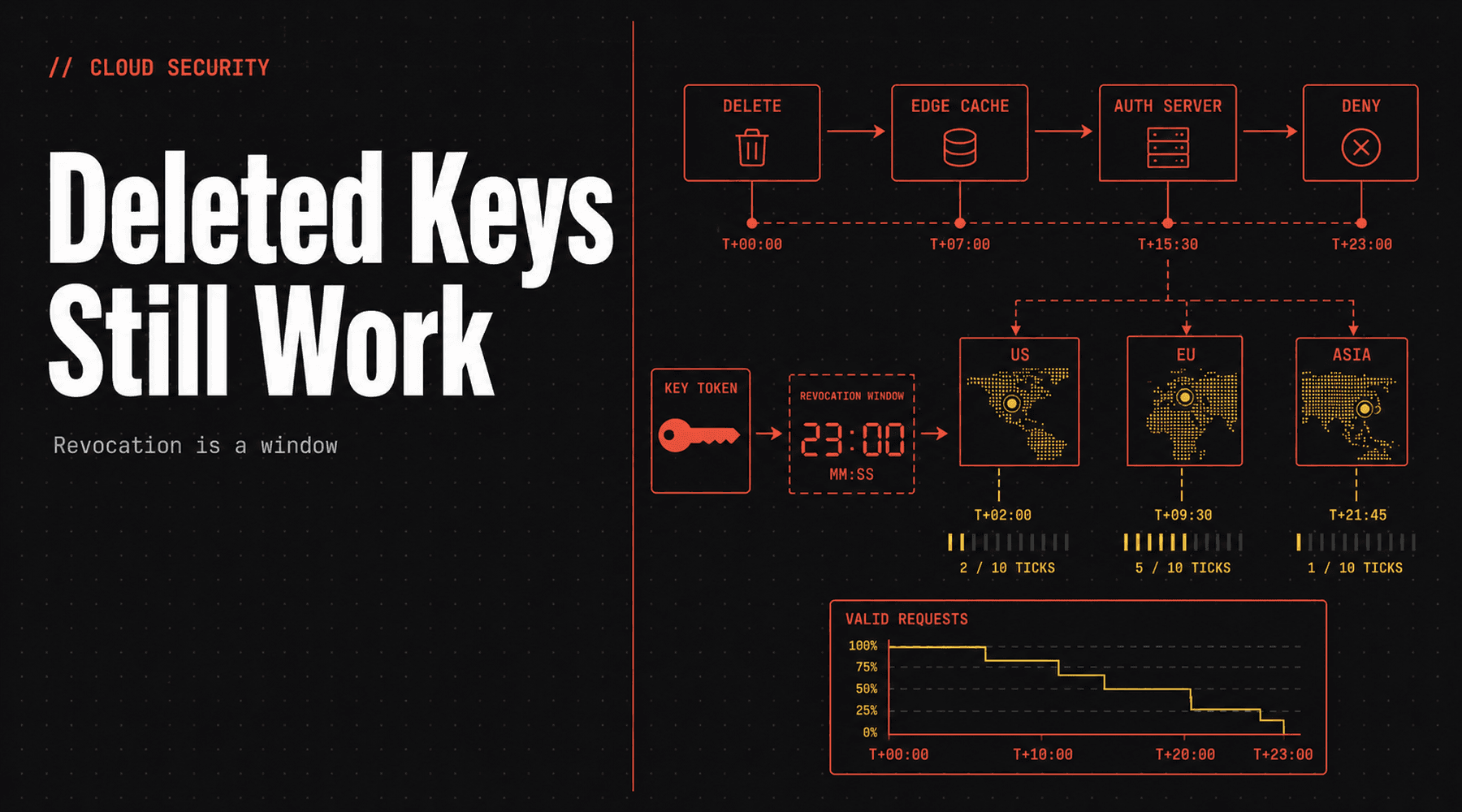
Aikido measured Google API keys authenticating for up to 23 minutes after deletion. That turns credential revocation from a button into a timed incident-response window.
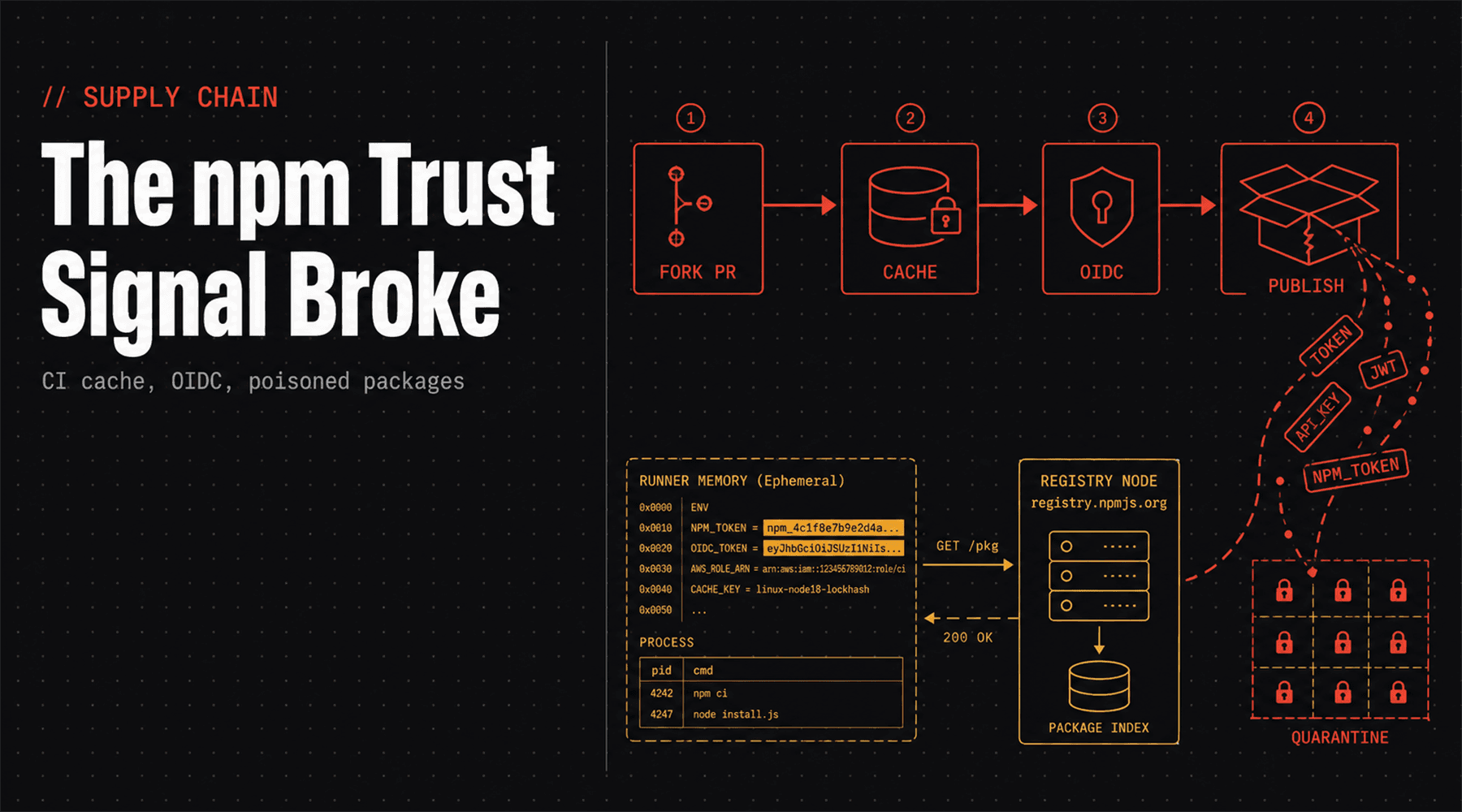
Mini Shai-Hulud turned trusted publishing, CI cache reuse, and developer credentials into one continuous attack path. The fix is not less automation. It is stricter boundaries around the automation we already rely on.
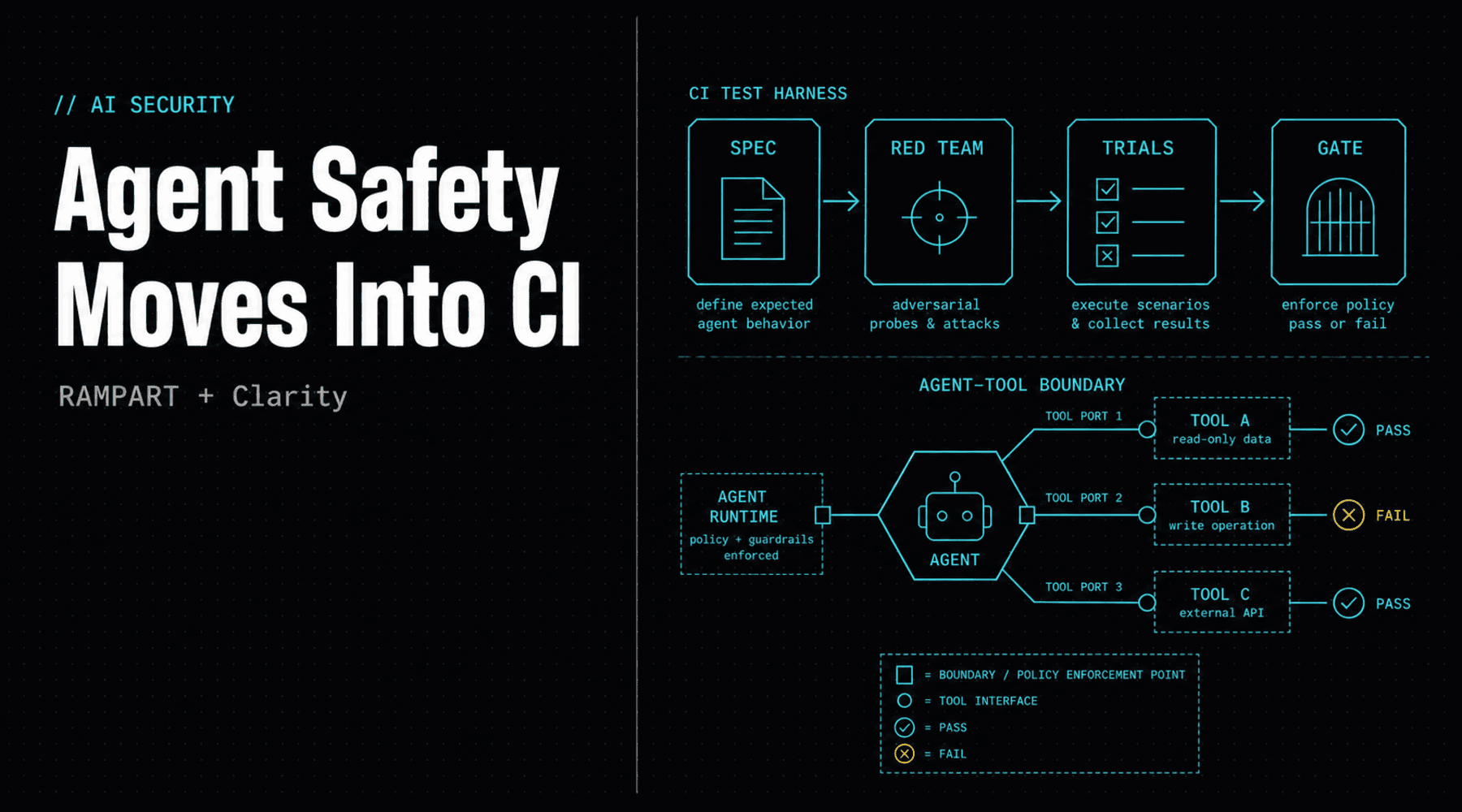
Microsoft's new open-source RAMPART and Clarity tools point agent safety toward the same place reliable software already lives: repeatable tests, design review, and CI gates.
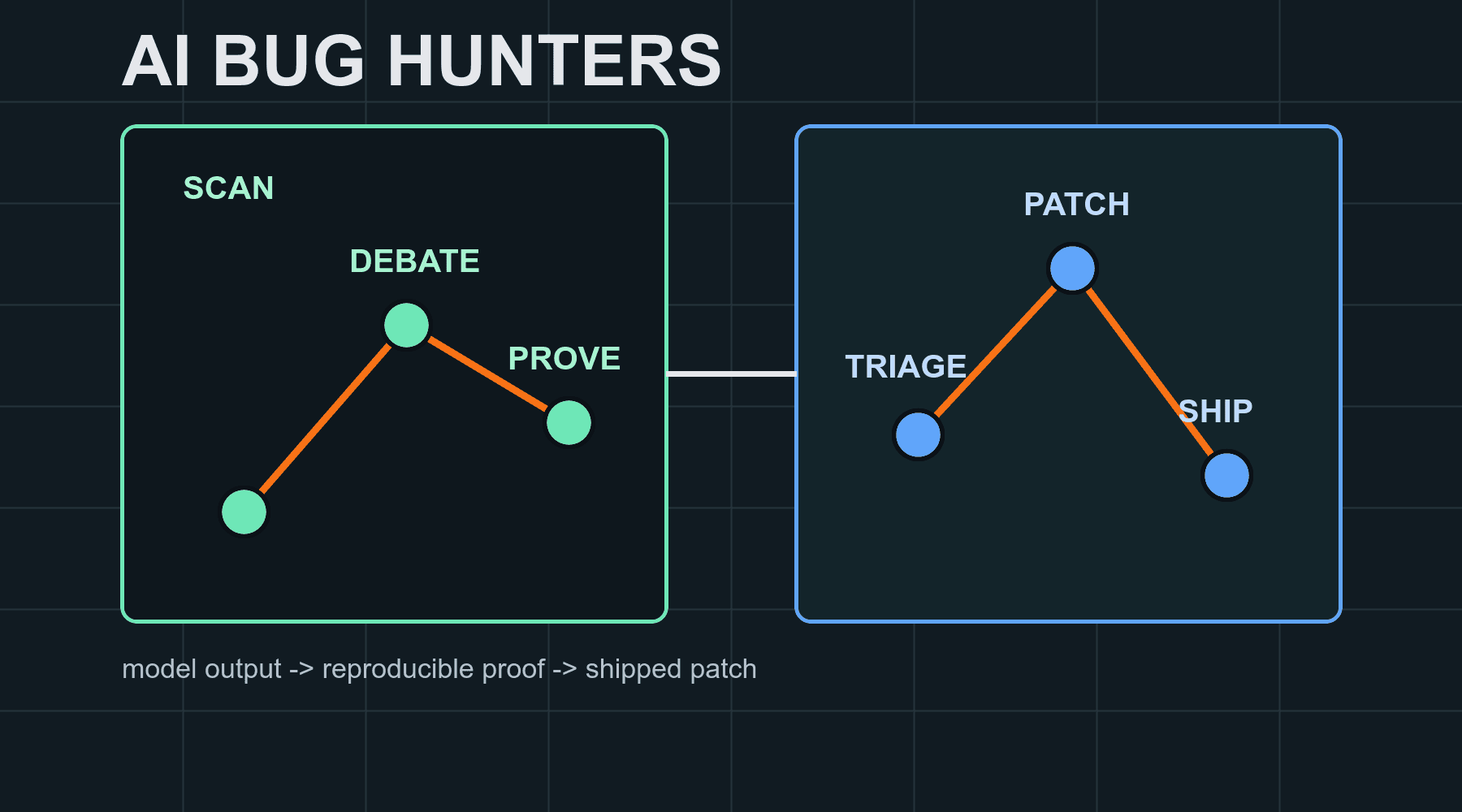
Microsoft and Mozilla have both shown that AI vulnerability discovery works best as a pipeline, not a magic model. The next security advantage belongs to teams that can turn model output into proven fixes.
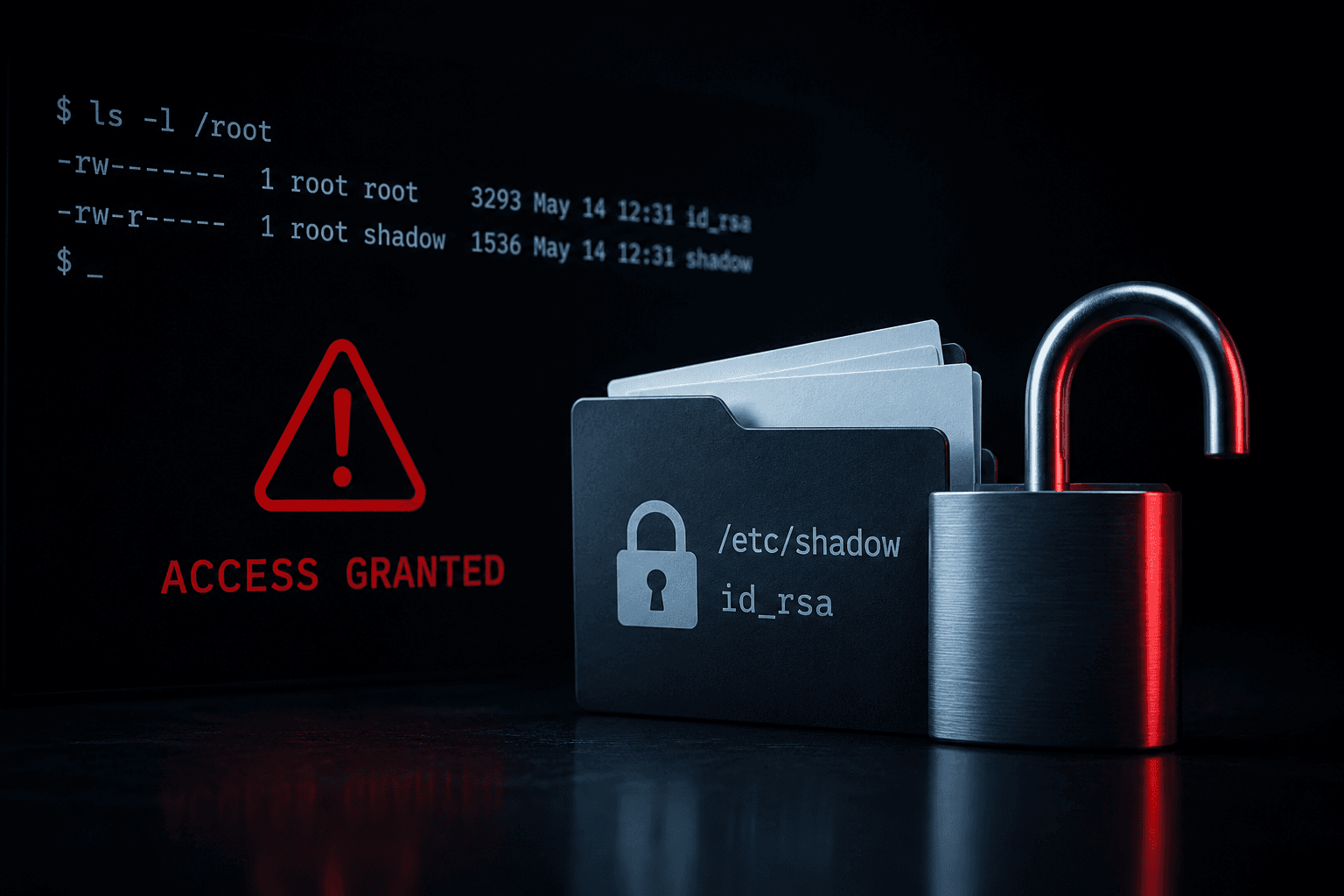
ssh-keysign-pwn is a Linux kernel flaw that lets unprivileged local users read root-owned files on affected systems, including SSH host keys and shadow password data.