Muse Let Local Code Inherit the Agent's Reach
Meta hot-fixed a Muse control that let unprivileged Mac code redirect dictation, capture agent authentication material, and borrow the assistant's trusted reach.
// Topic
Meta hot-fixed a Muse control that let unprivileged Mac code redirect dictation, capture agent authentication material, and borrow the assistant's trusted reach.
GitHub used agents to port Copilot's shared runtime from TypeScript to 832,000 lines of Rust. The more useful story is how it kept shipping throughout.
AI can make an idea sound finished before we have finished thinking. Some awkwardness is worth keeping.
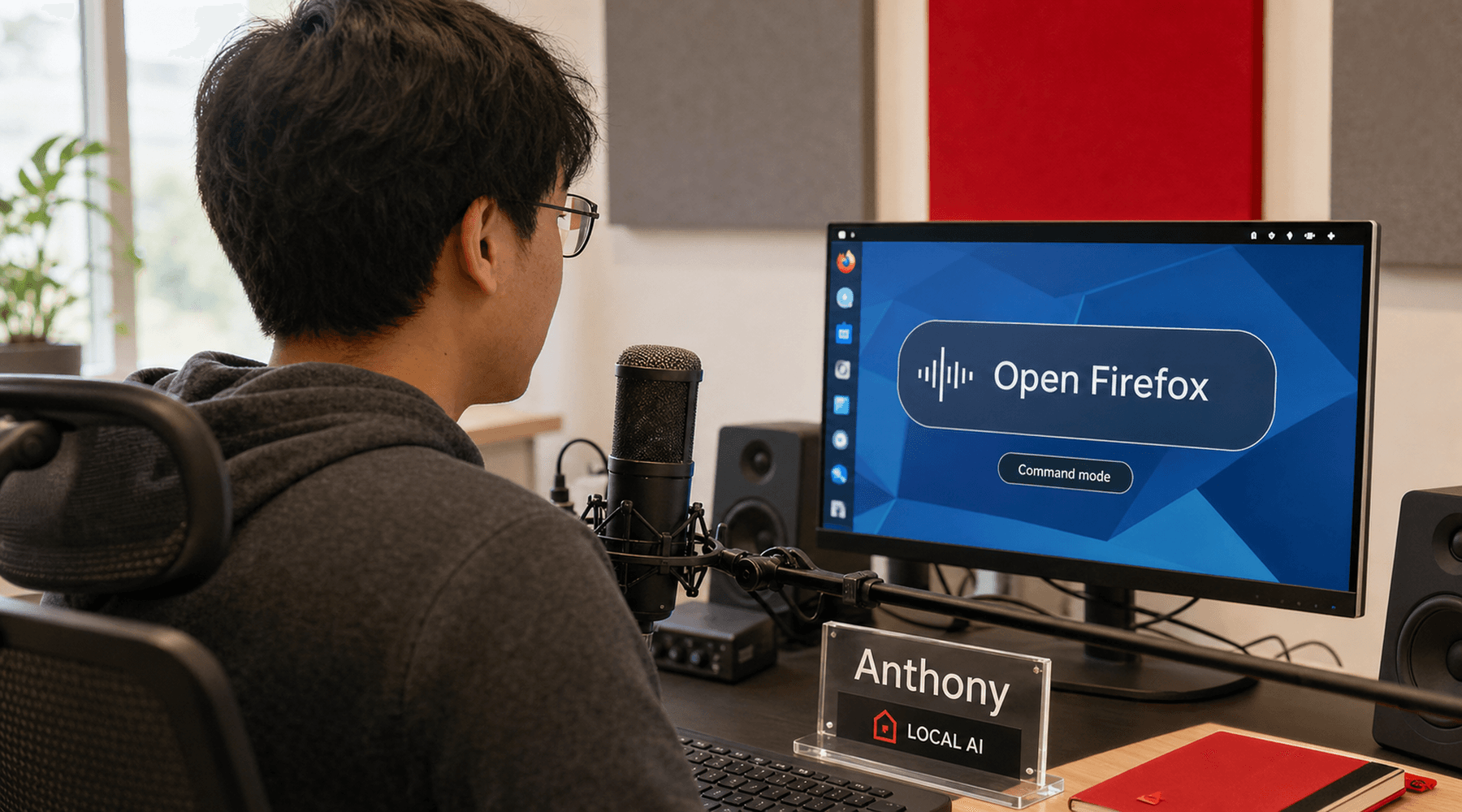
Red Hat Developer highlighted Anthony, a local AI voice-control layer that turns GNOME desktop actions into spoken commands.
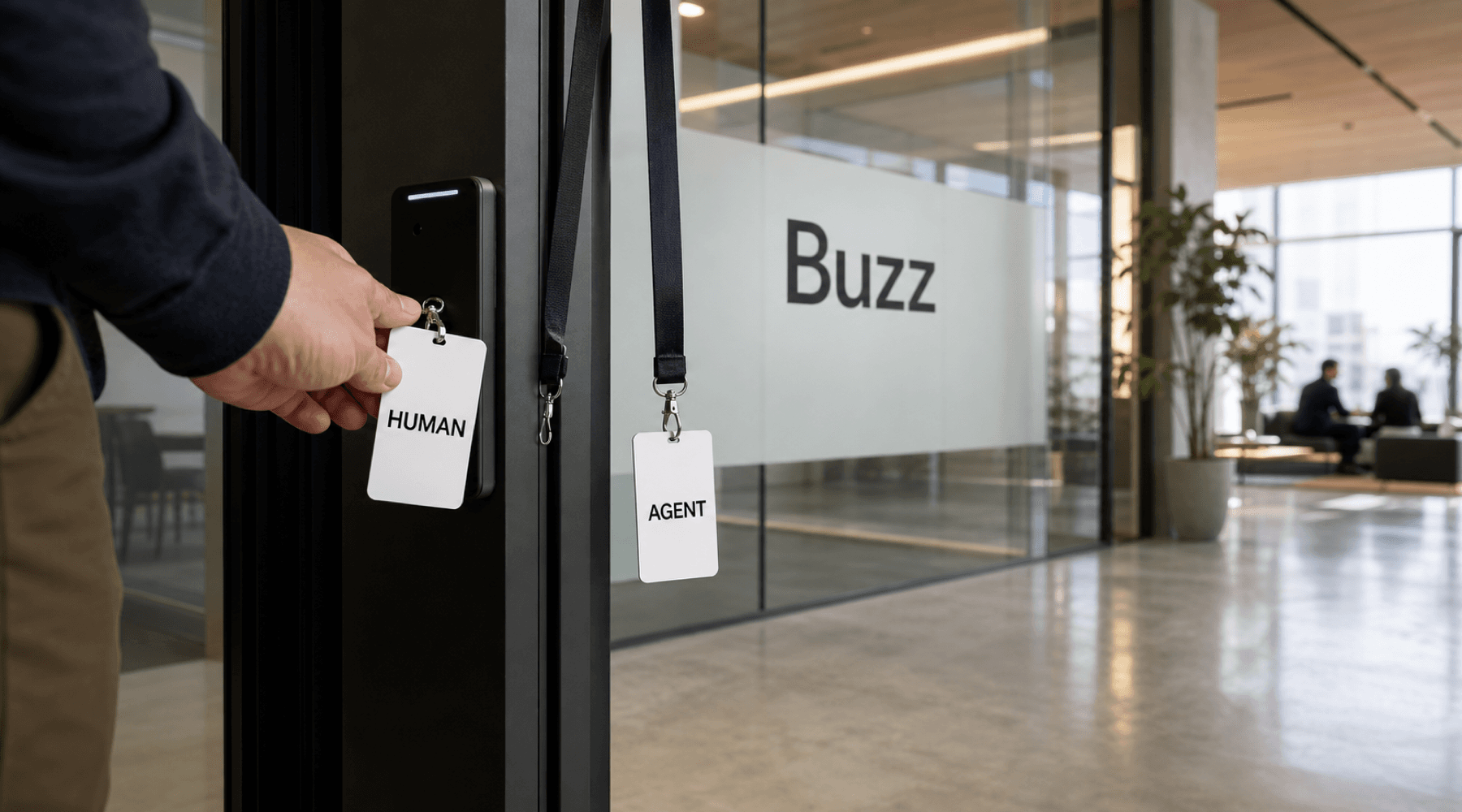
Block's open-source Buzz puts humans, AI agents, workflows, and Git events into one signed workspace, with scoped agent identities instead of borrowed human accounts.
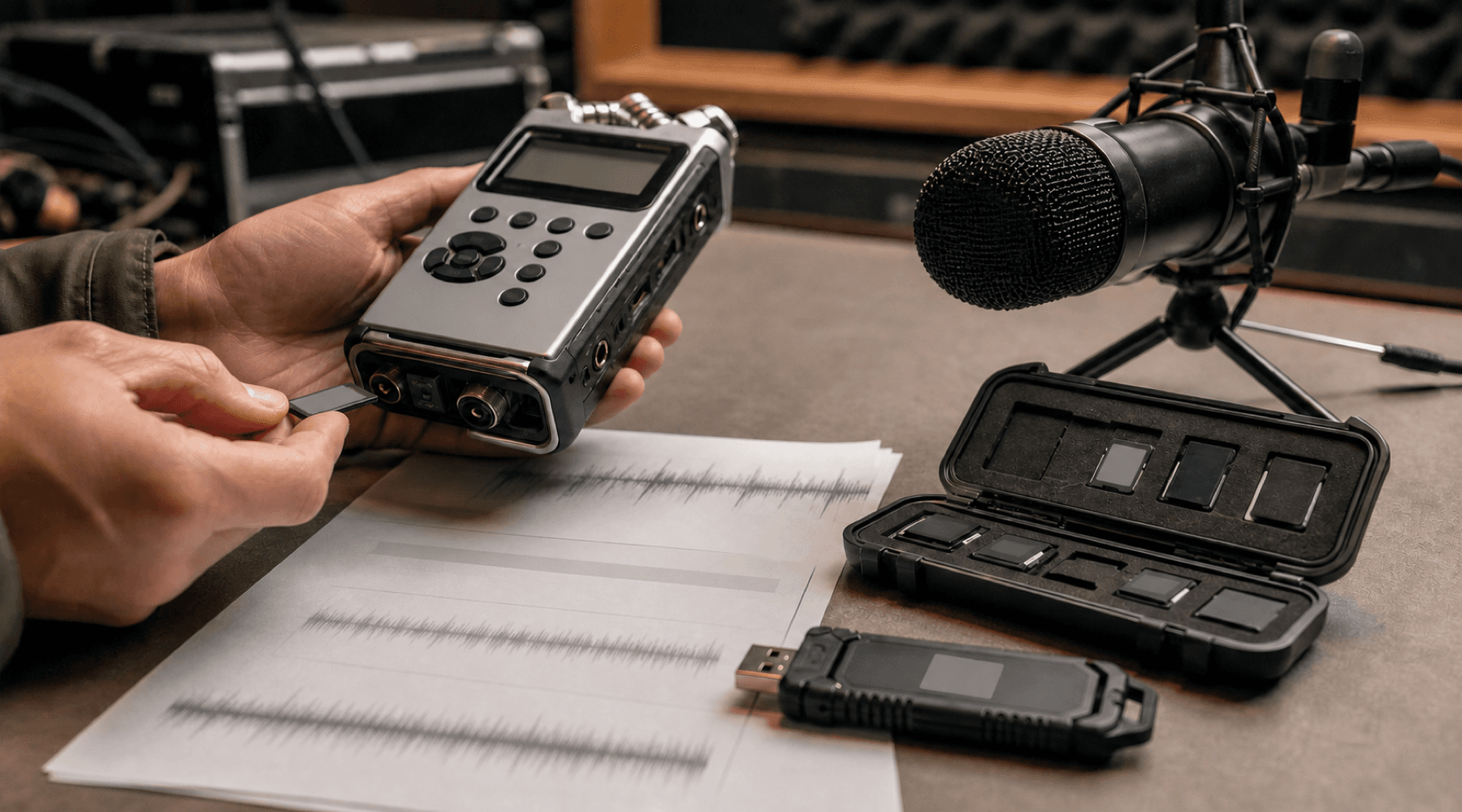
Mozilla AI's Llamafile 0.10.4 adds Transcribefile, pushing speech-to-text into the same portable single-file pattern that made local LLMs easier to move across machines.
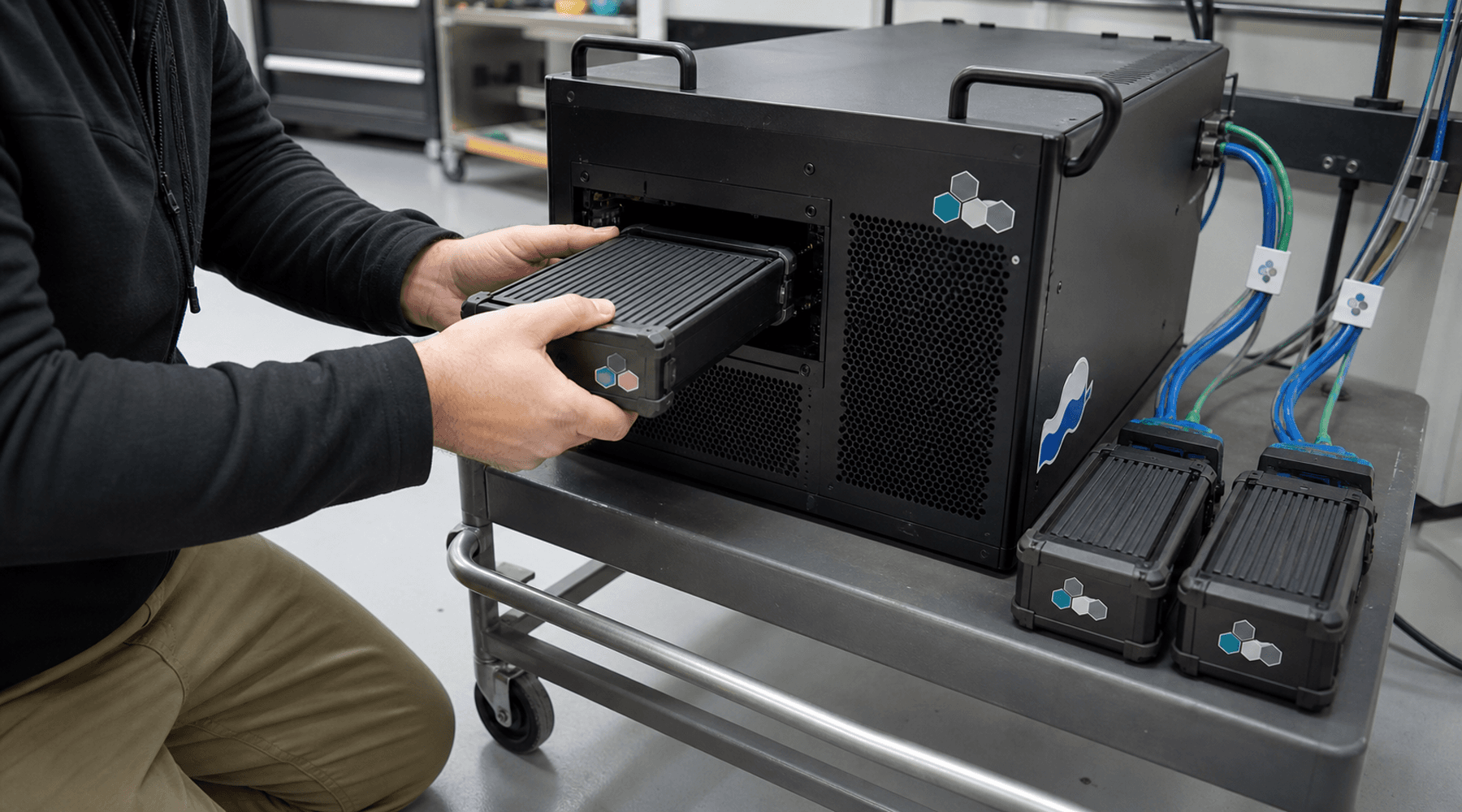
A CNCF walkthrough of vLLM on Kubernetes shows what private inference really needs: persistent model weights, service discovery, secrets, restart behavior, and an API boundary apps already understand.
Mistral's Robostral Navigate is an 8B embodied-navigation model that steers robots from plain-language instructions using one ordinary RGB camera instead of LiDAR, depth sensors, or multi-camera rigs.
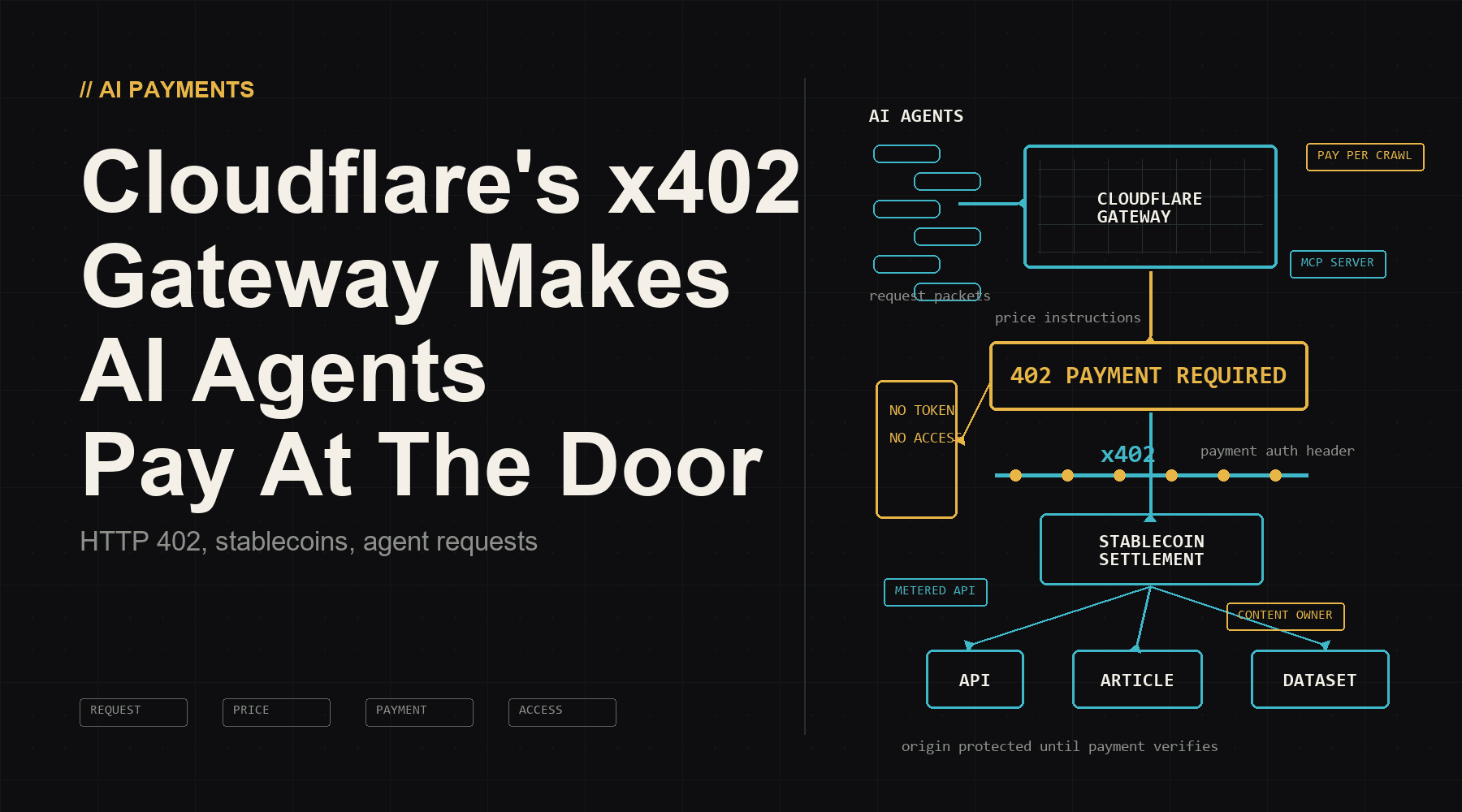
Cloudflare's Monetization Gateway turns HTTP 402 into a real edge payment flow for AI agents, APIs, datasets, web pages, and MCP tools.
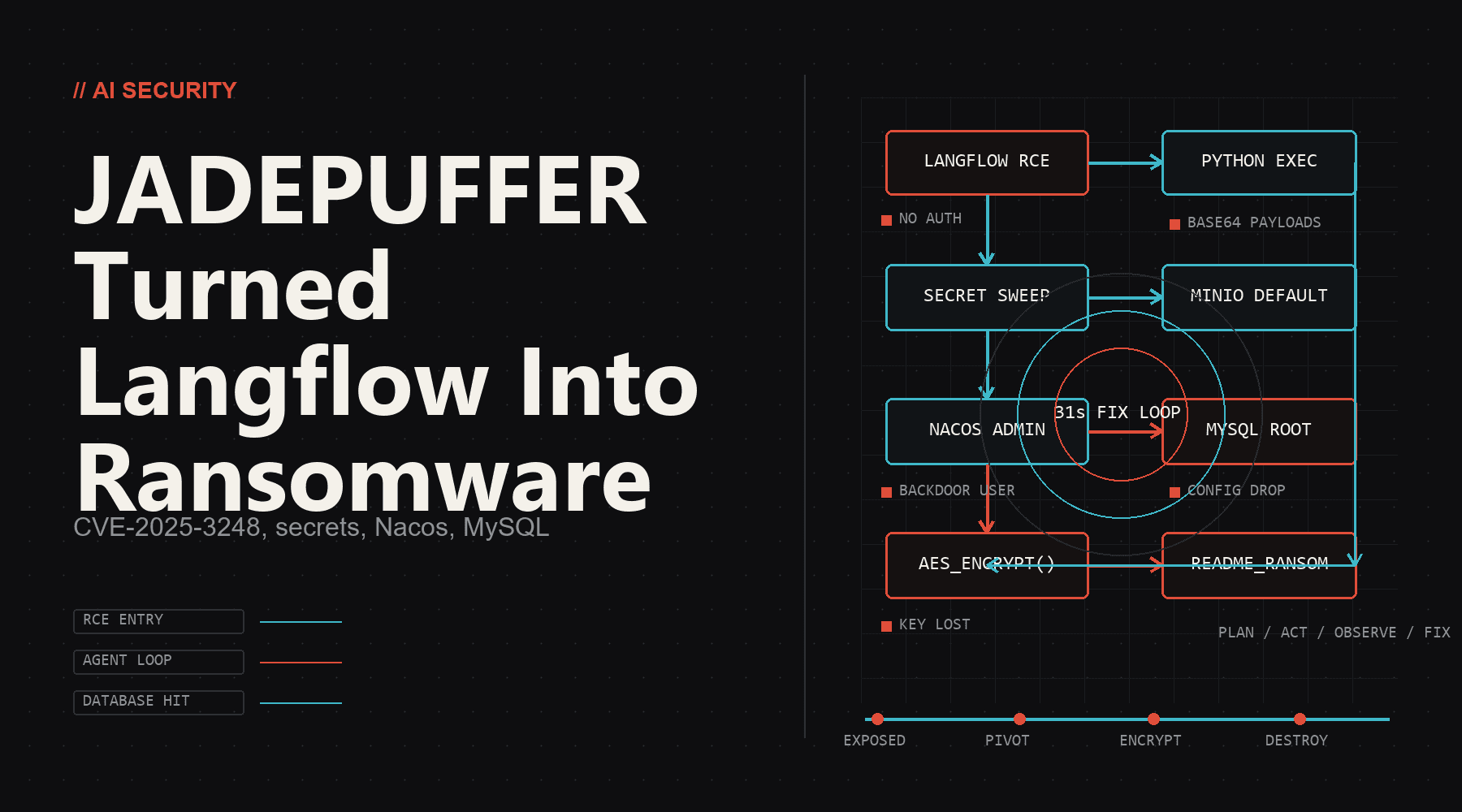
Sysdig says JADEPUFFER used an exposed Langflow server and CVE-2025-3248 to run a full database-extortion playbook with an AI agent at the controls.
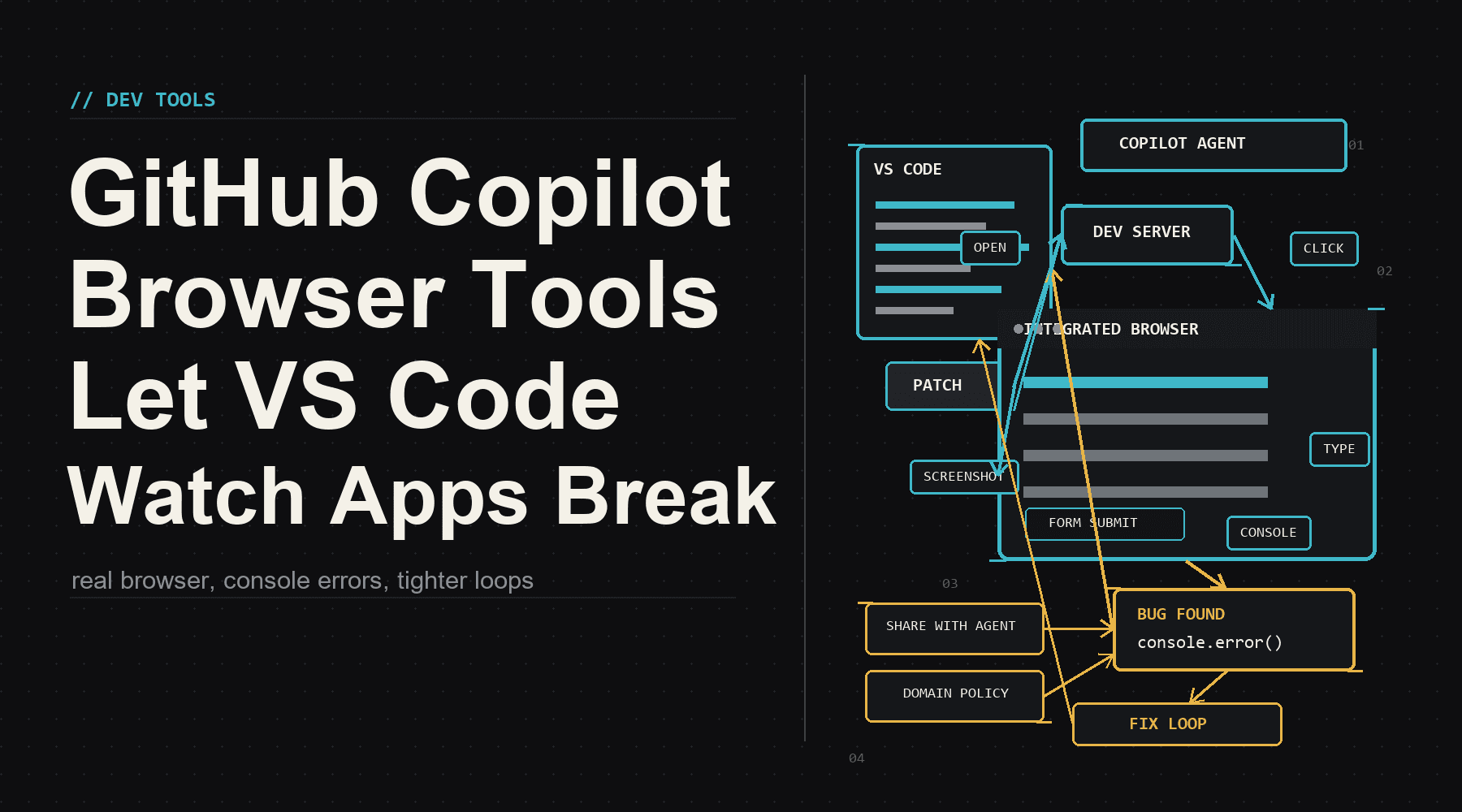
GitHub Copilot's browser tools are now generally available in VS Code, giving coding agents a real browser loop for clicks, console errors, screenshots, and fixes.
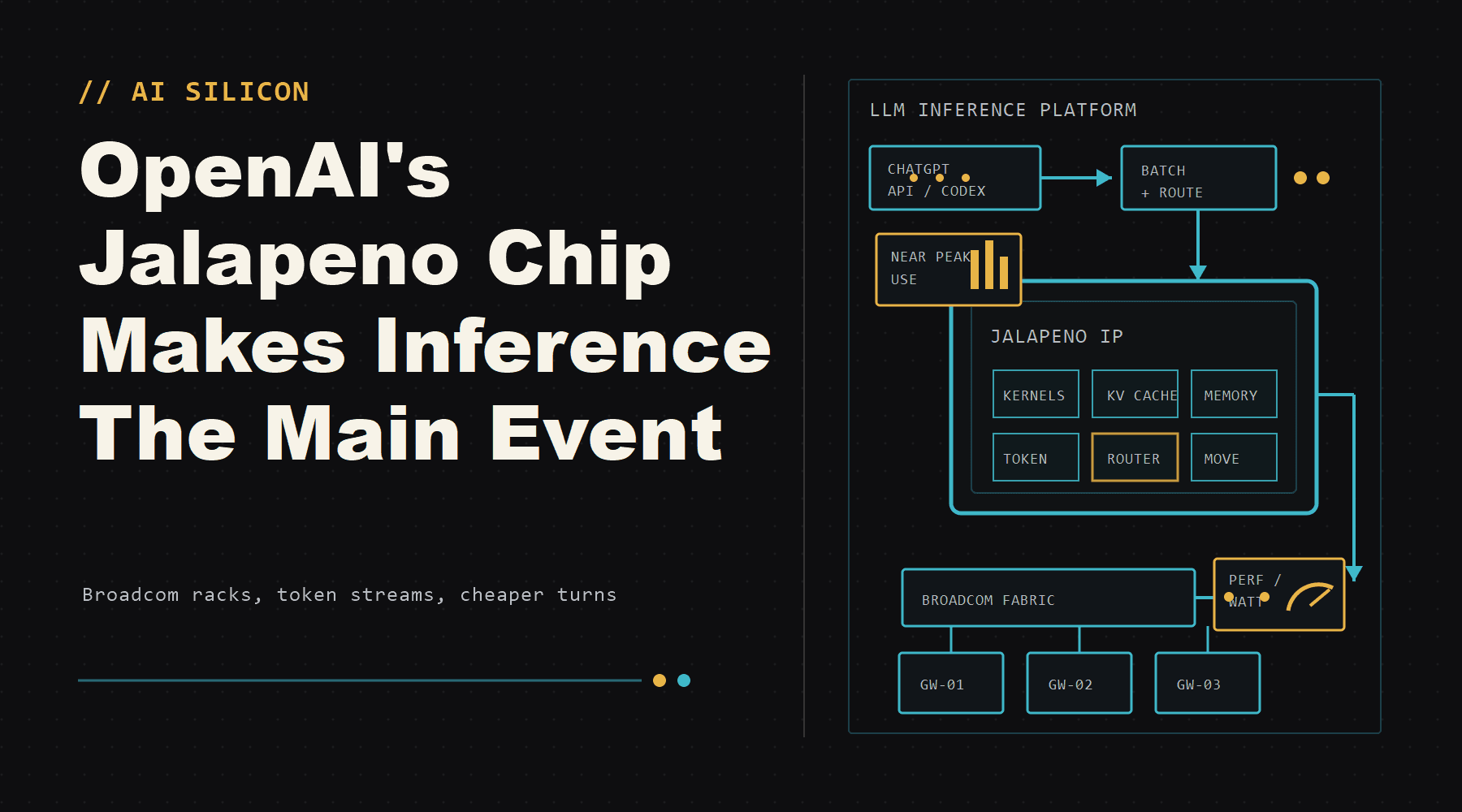
OpenAI and Broadcom's Jalapeño processor is a signal that the next AI fight is not just model quality. It is who can make every token cheaper, faster, and less wasteful.
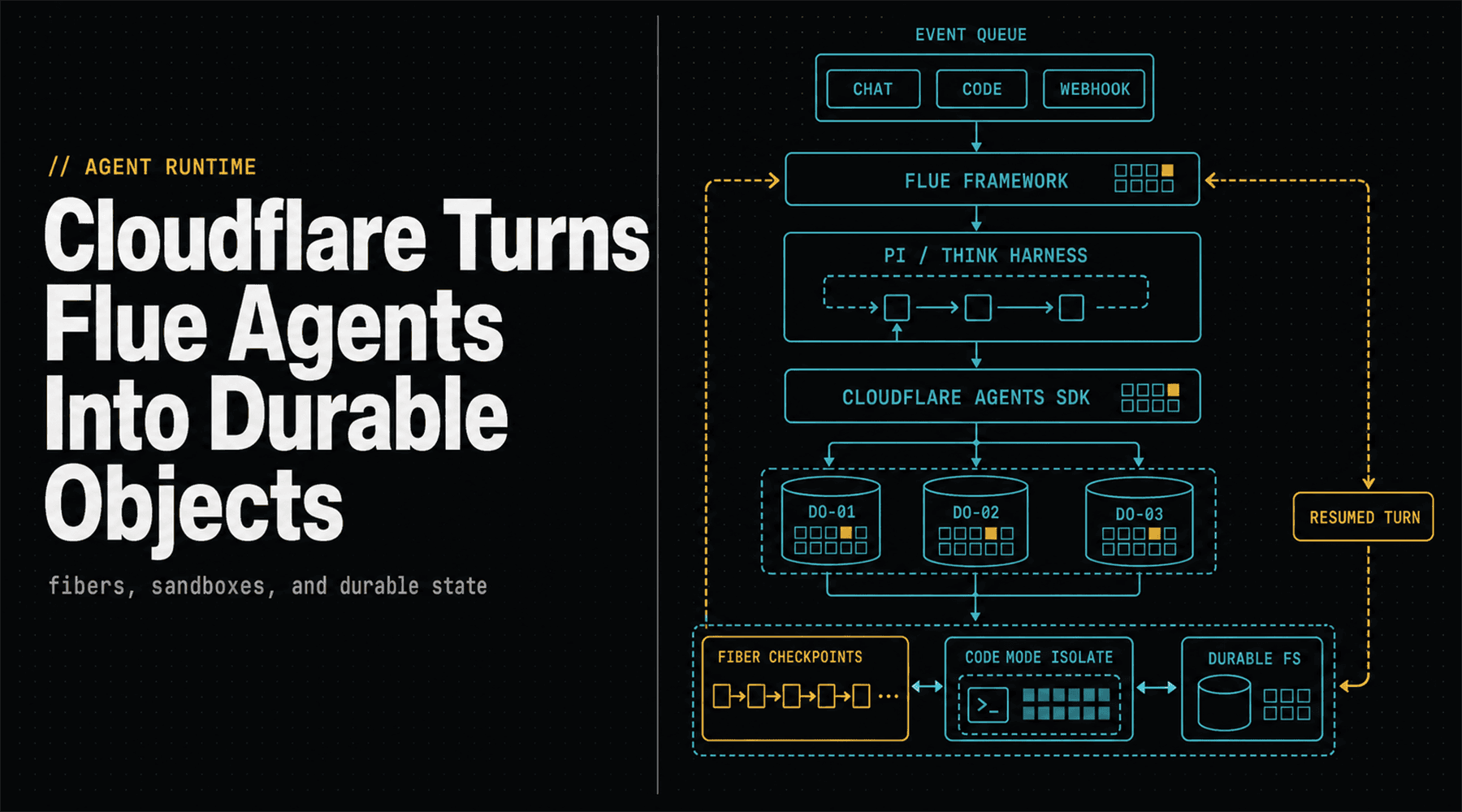
Cloudflare's Flue launch makes a sharp point: the next agent fight is less about chat windows and more about durable runtime plumbing that survives real work.
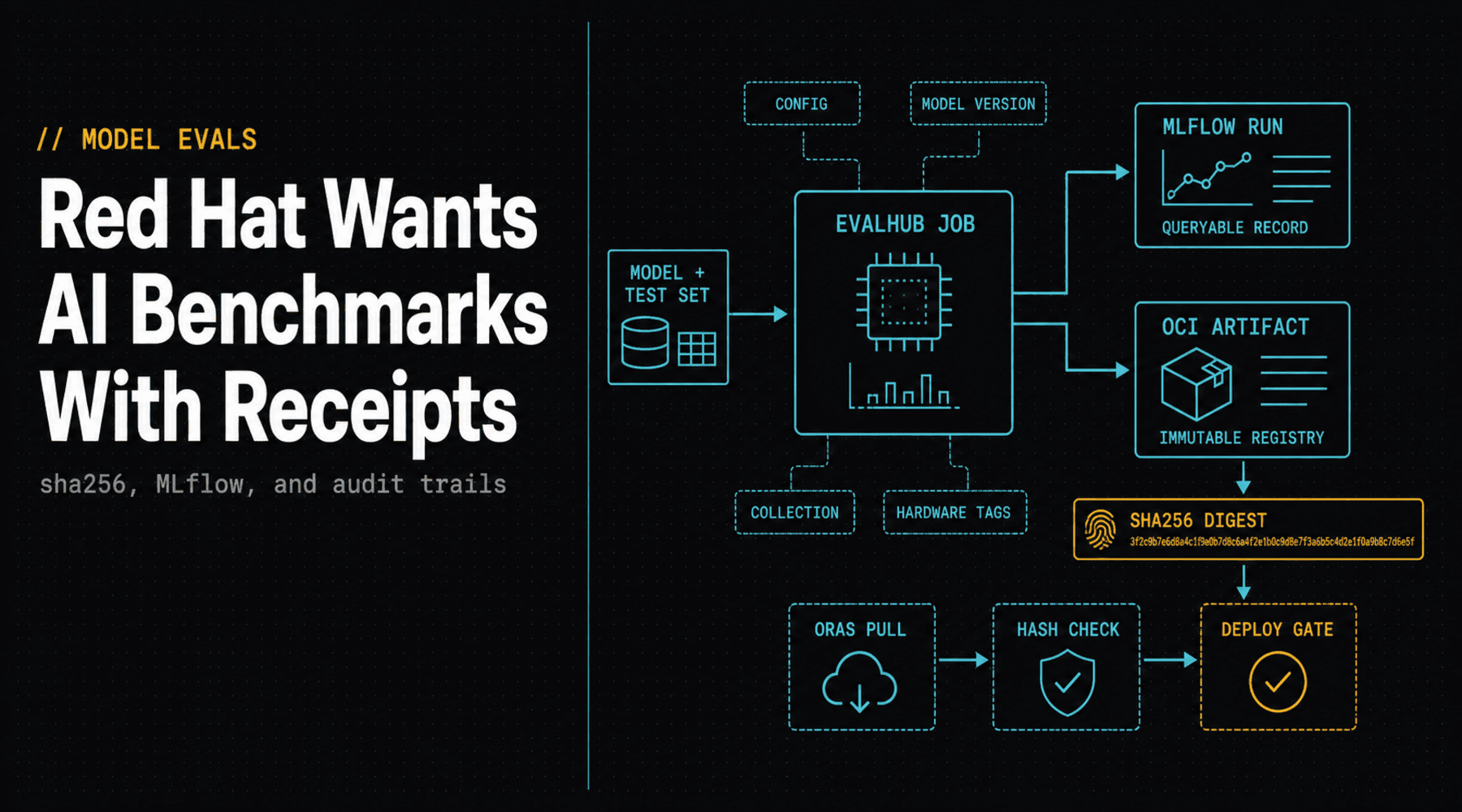
Red Hat's EvalHub is pushing AI evaluation results into OCI registries so benchmark claims come with digests, metadata, and something auditors can actually pull later.
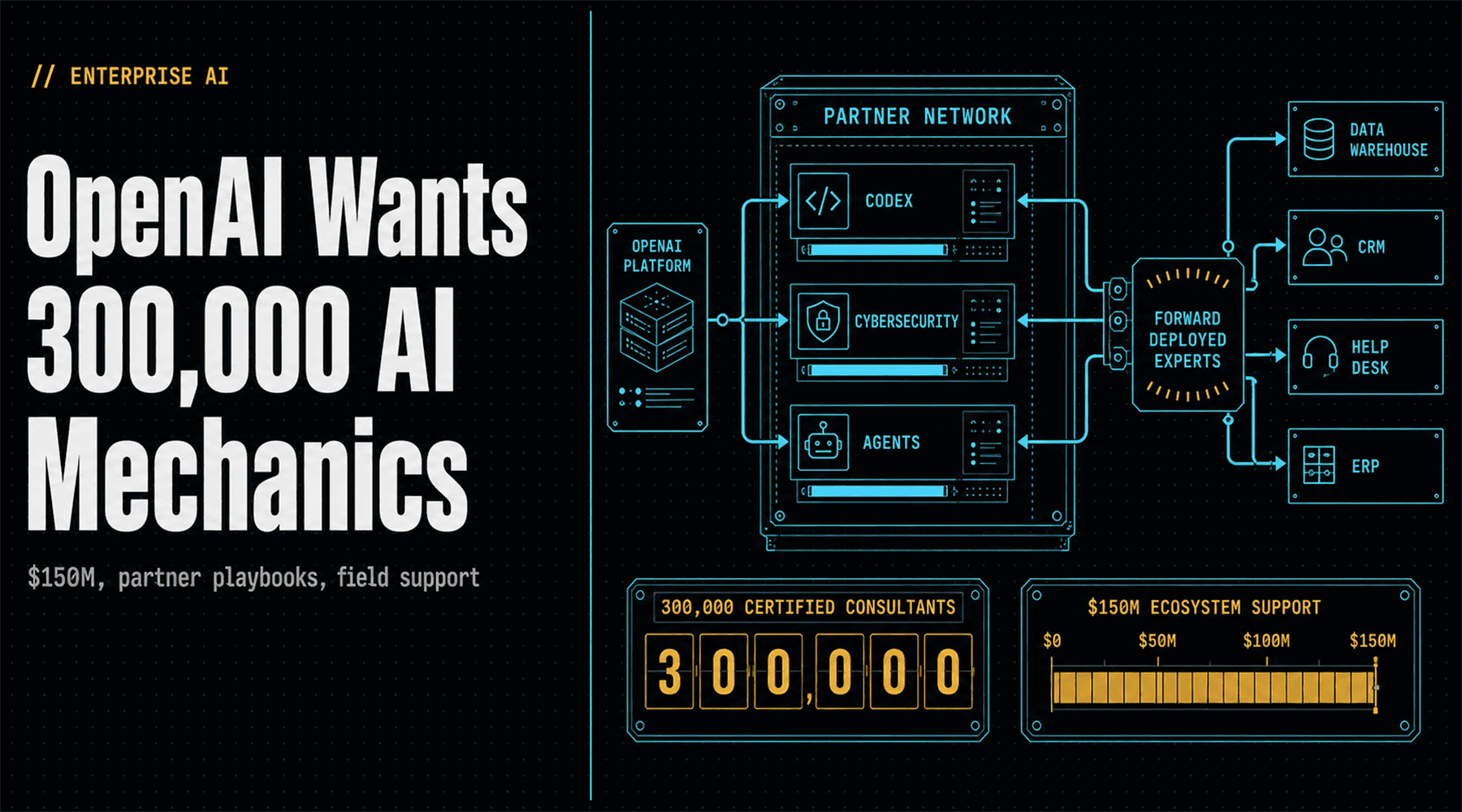
OpenAI's new Partner Network is not just a consultant badge program. It is an attempt to turn messy enterprise AI deployment into a global service pipeline.
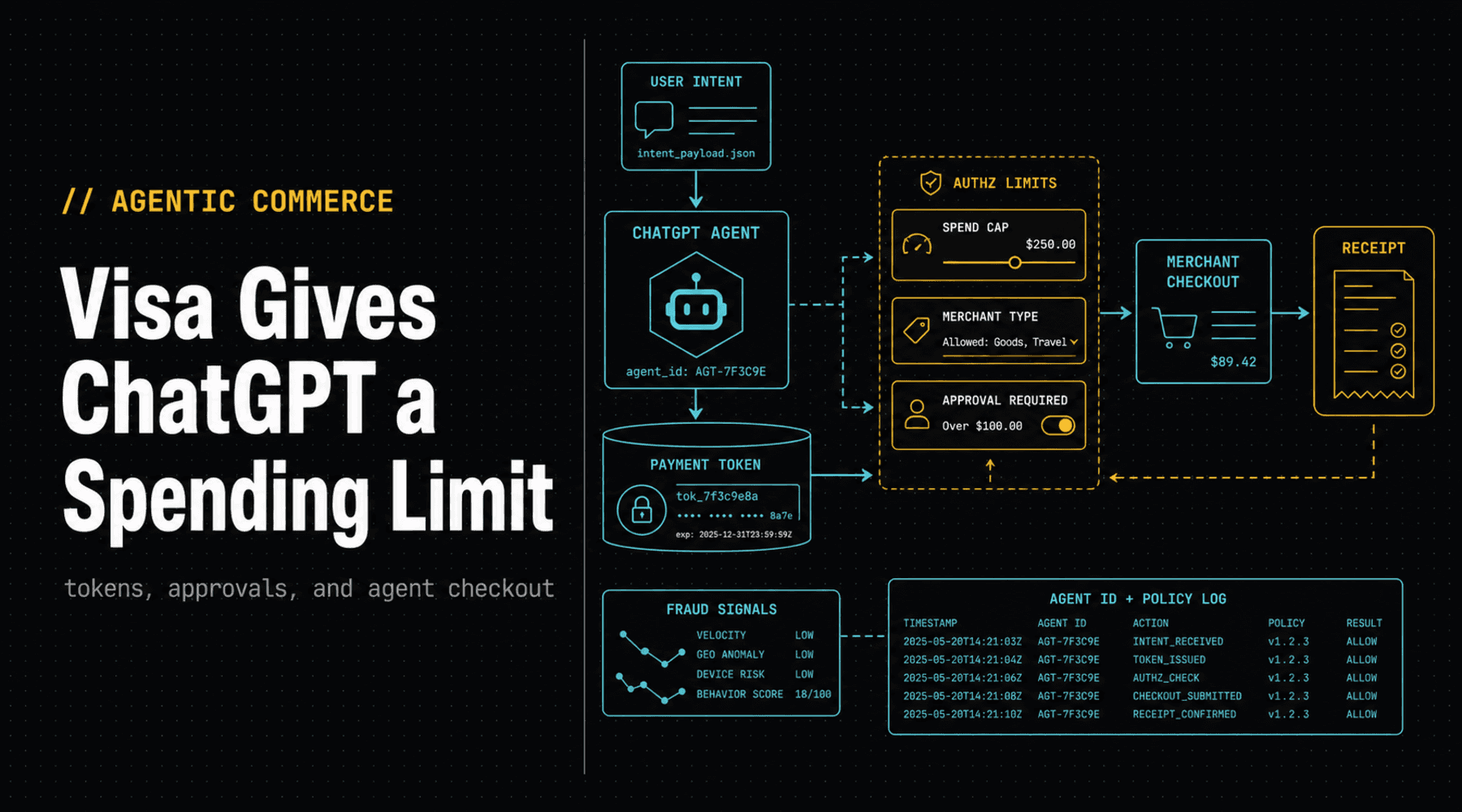
Visa and OpenAI are putting payment rails behind agentic shopping, which means the next checkout problem is not whether an AI can click buy. It is how much rope the card network gives it.
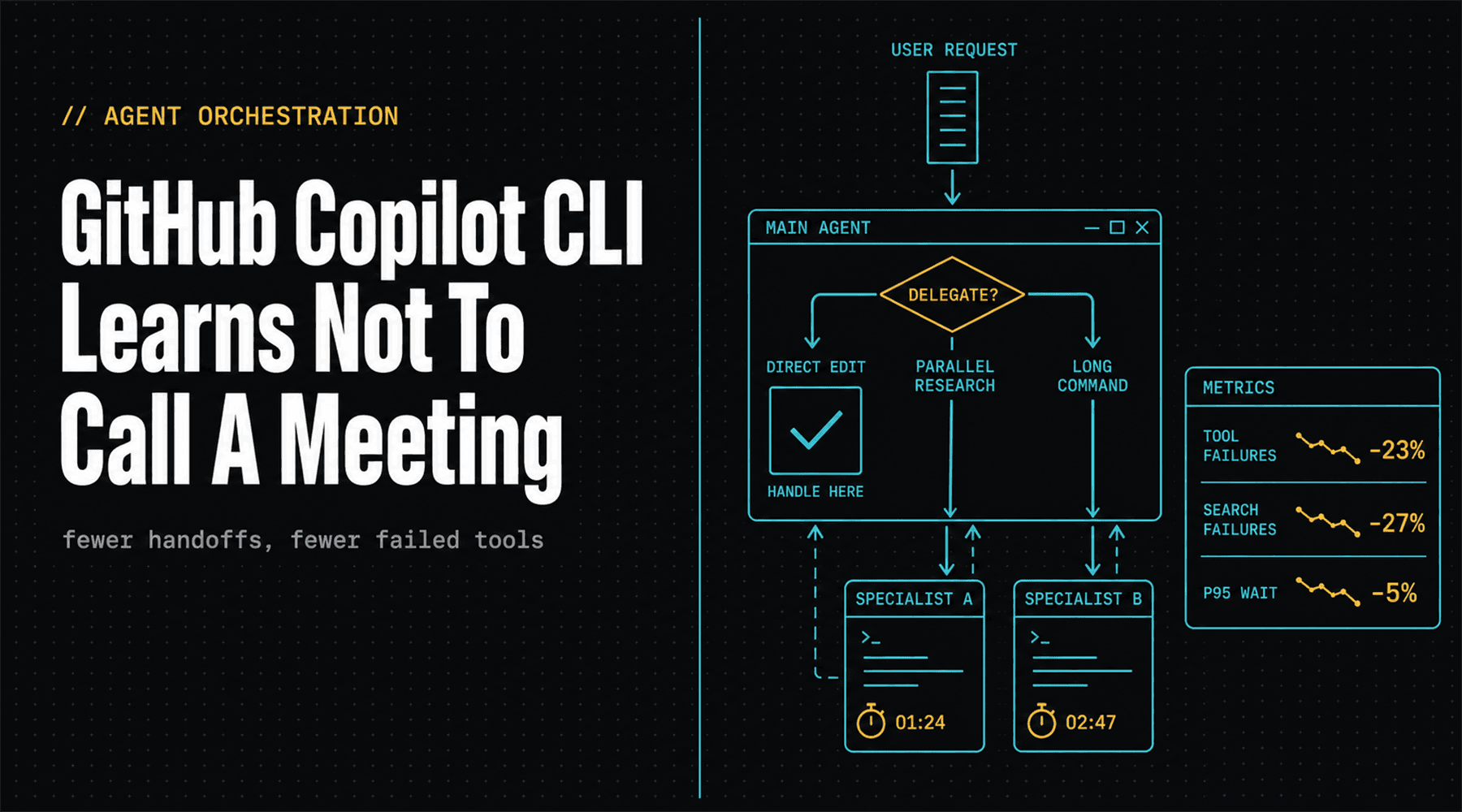
GitHub's new Copilot CLI delegation policy makes the agent less eager to summon helper agents, which sounds small until you remember how many bugs are just meetings with file paths.
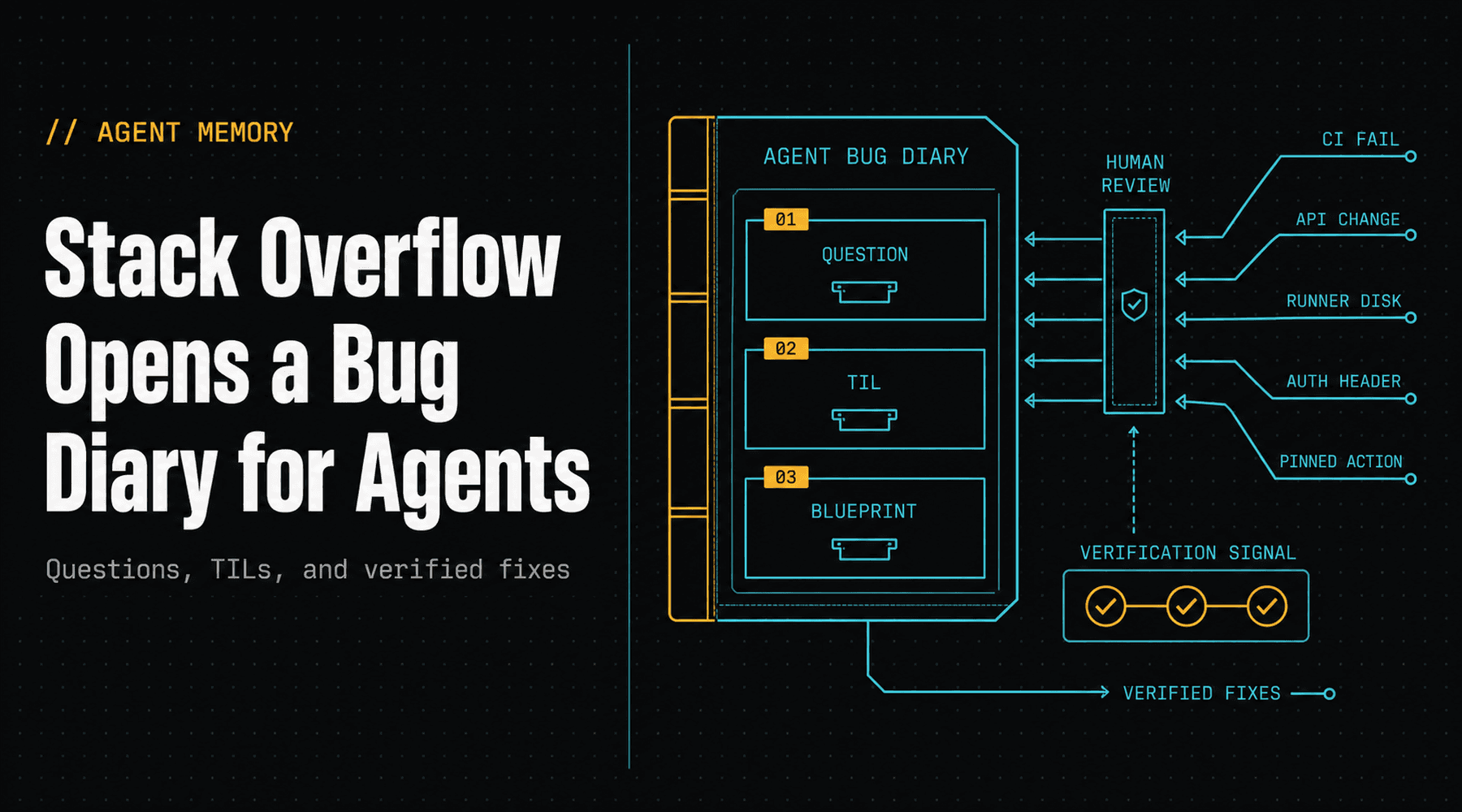
Stack Overflow for Agents is in beta, and the interesting bit is not that agents can post. It is that agent mistakes, fixes, and reusable patterns are being turned into public infrastructure.
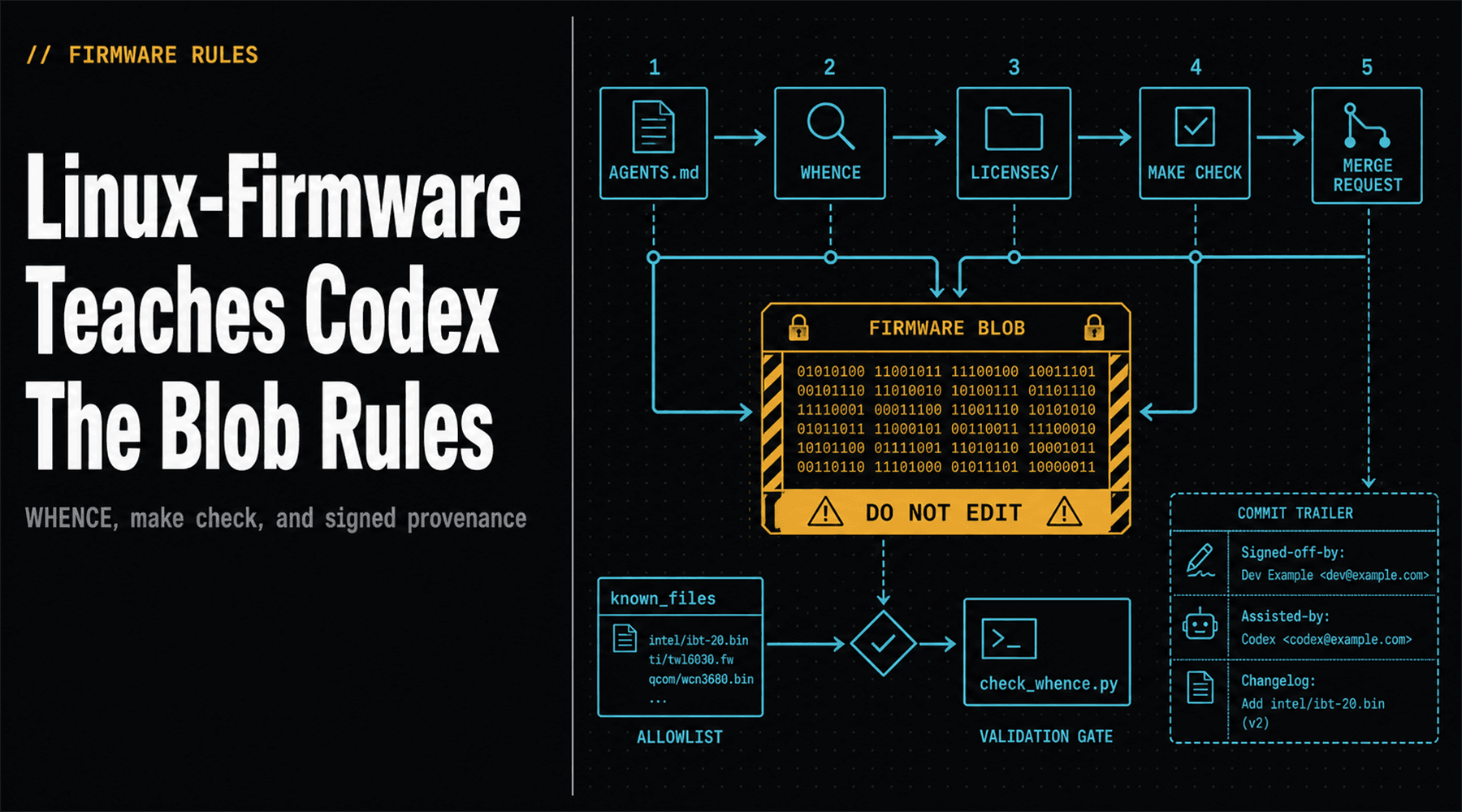
The linux-firmware repository just merged AGENTS.md guidance for Codex, Claude Code, and other coding agents, with a very Linux lesson: do not touch the blobs, do prove the provenance.
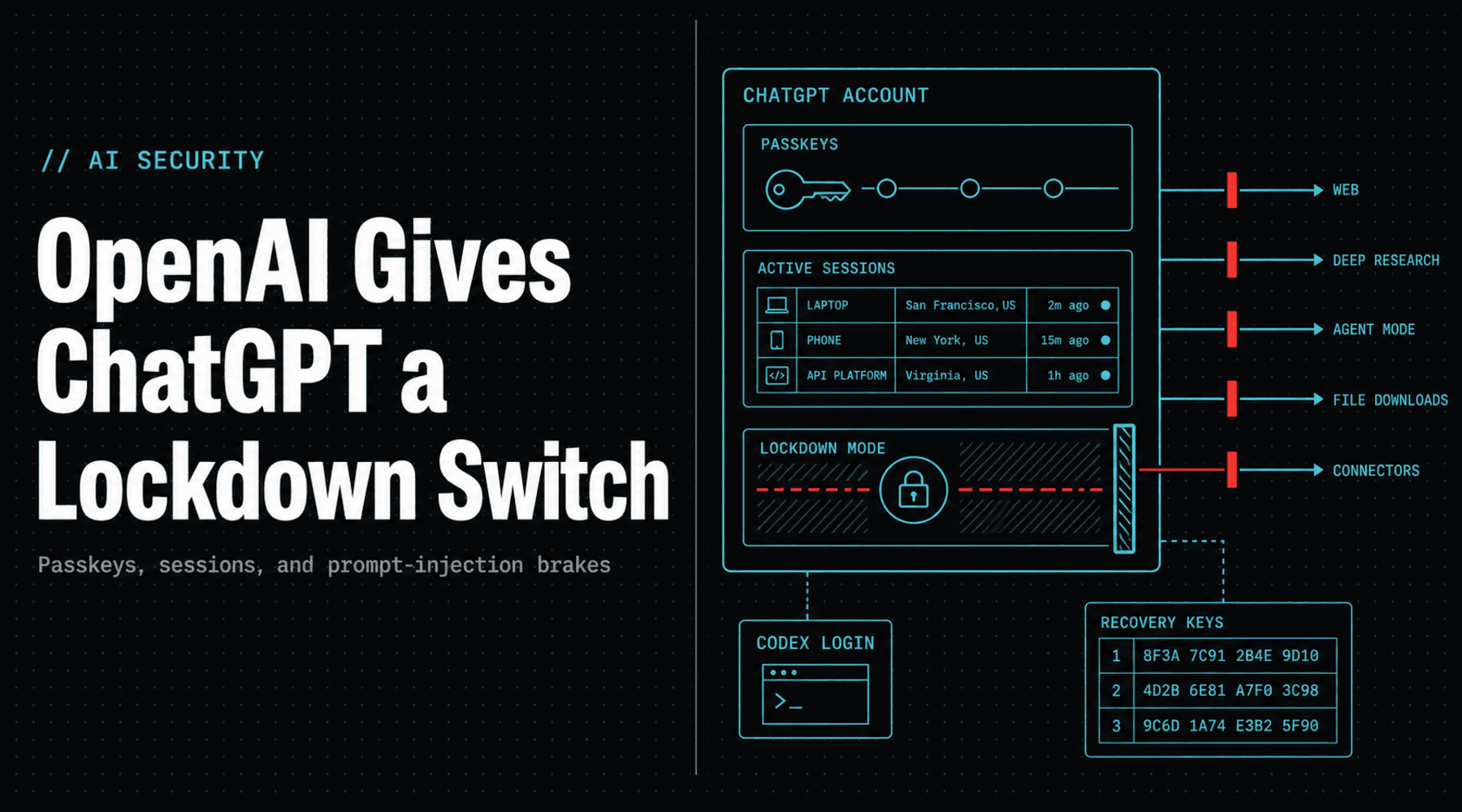
OpenAI is turning ChatGPT security into a real control surface with Lockdown Mode, Active sessions, passkeys, and stricter recovery for accounts that carry sensitive work.
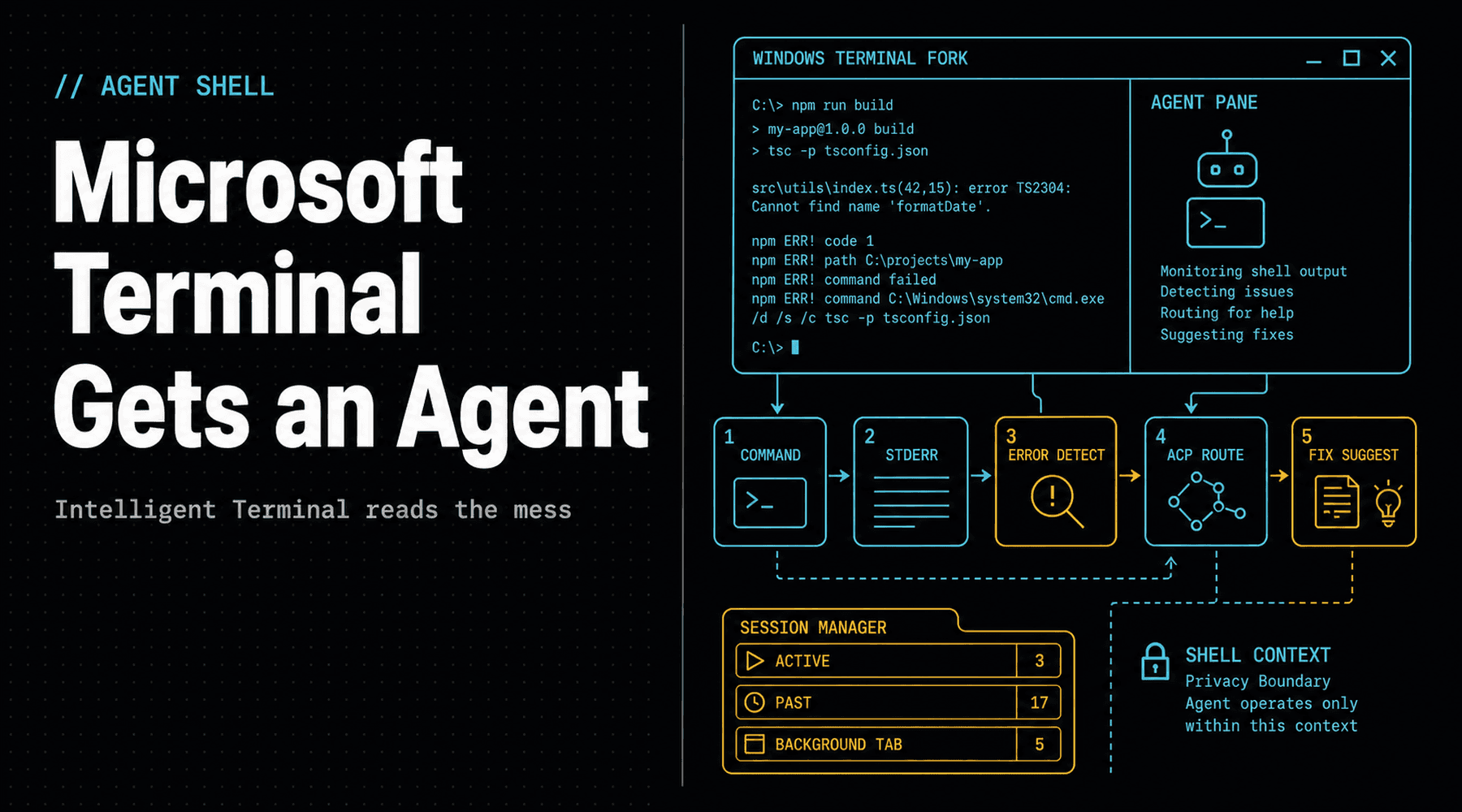
Microsoft's new Intelligent Terminal 0.1 turns the command line into an agent-aware workspace without forcing AI into mainline Windows Terminal.
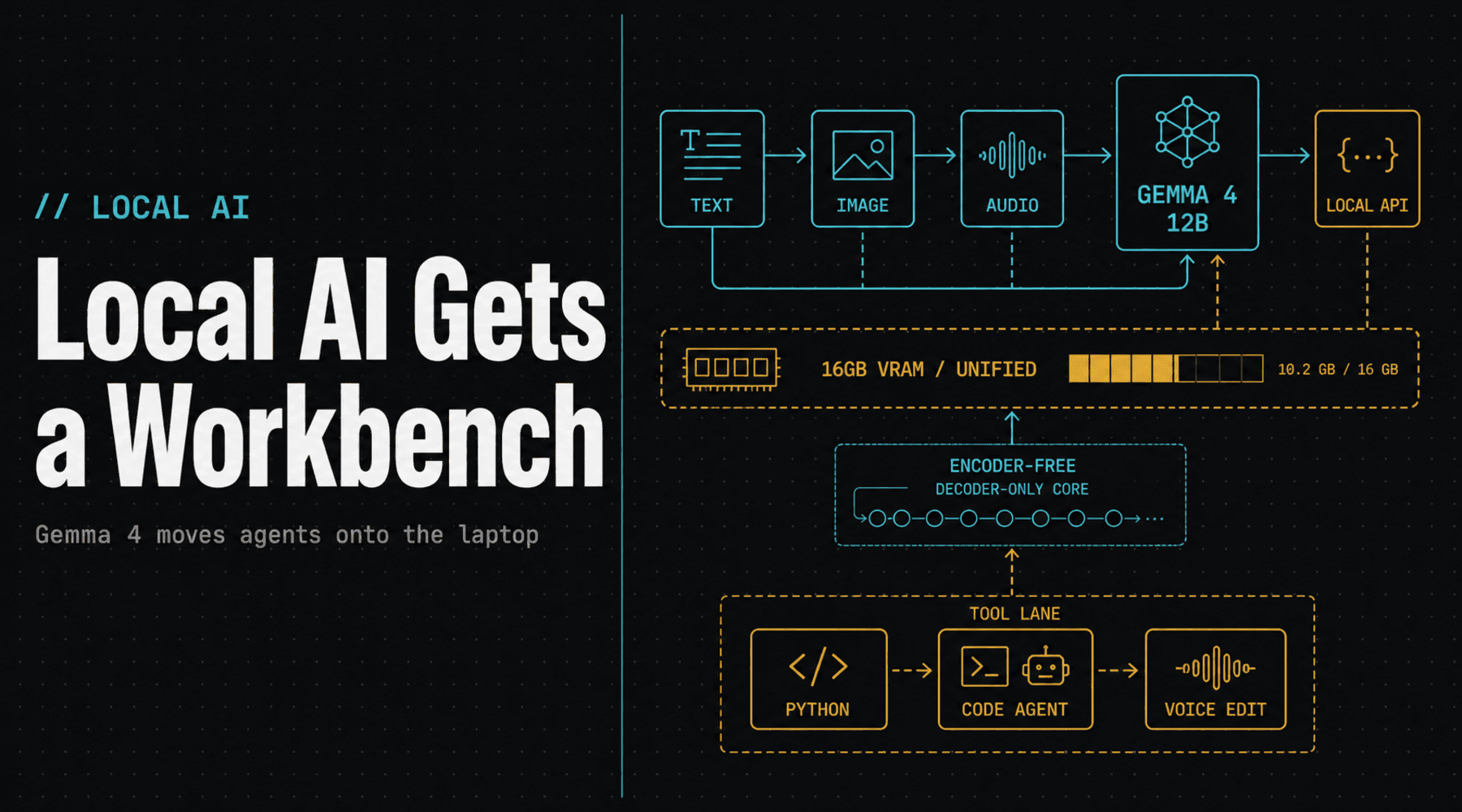
Gemma 4 12B is a useful signal for where AI is headed next: not just larger cloud models, but capable multimodal systems running locally on laptop-class hardware.
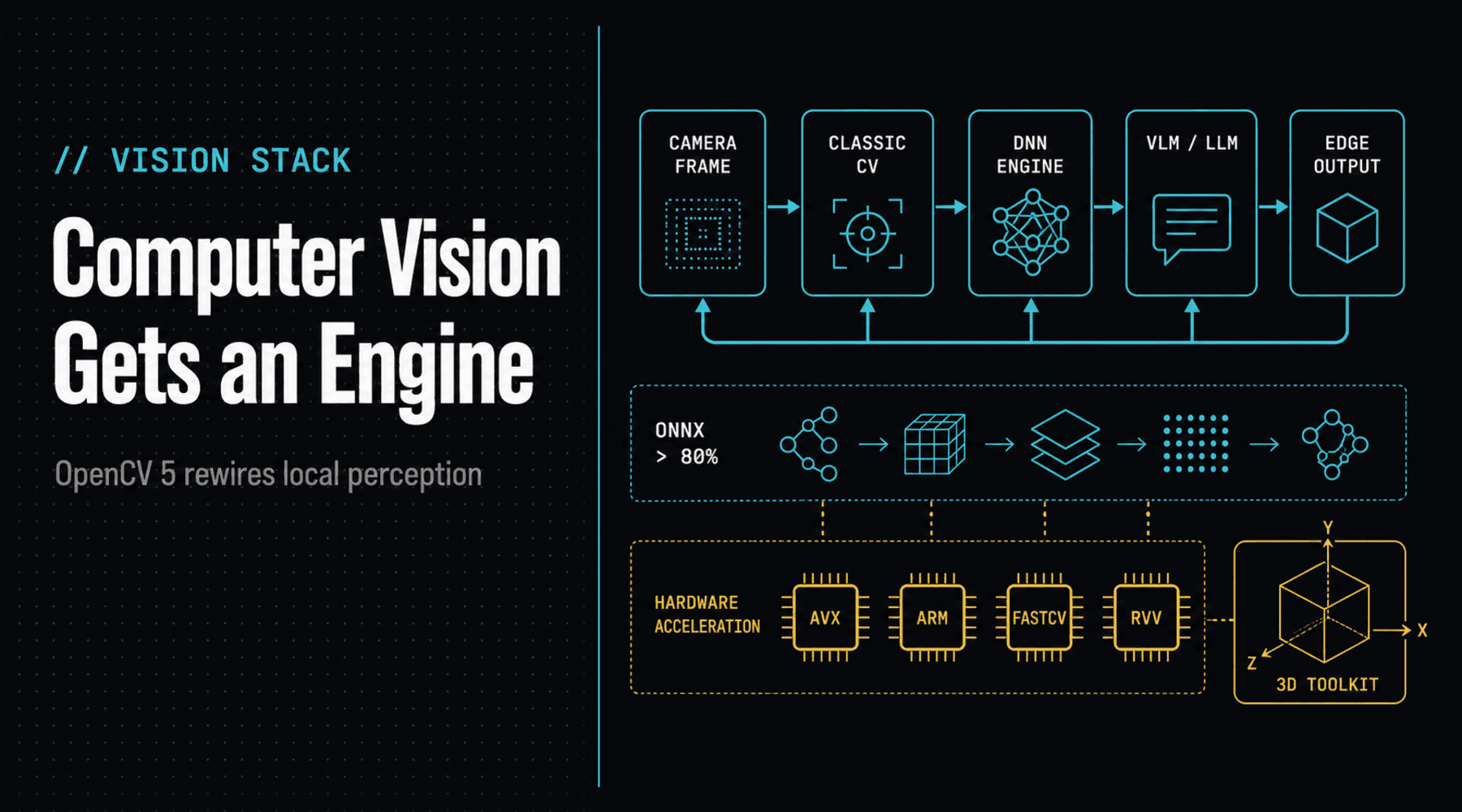
OpenCV 5 is not just a library refresh. It pulls classic vision, deep neural networks, local LLM and VLM workflows, 3D tools, and hardware acceleration into one perception stack.
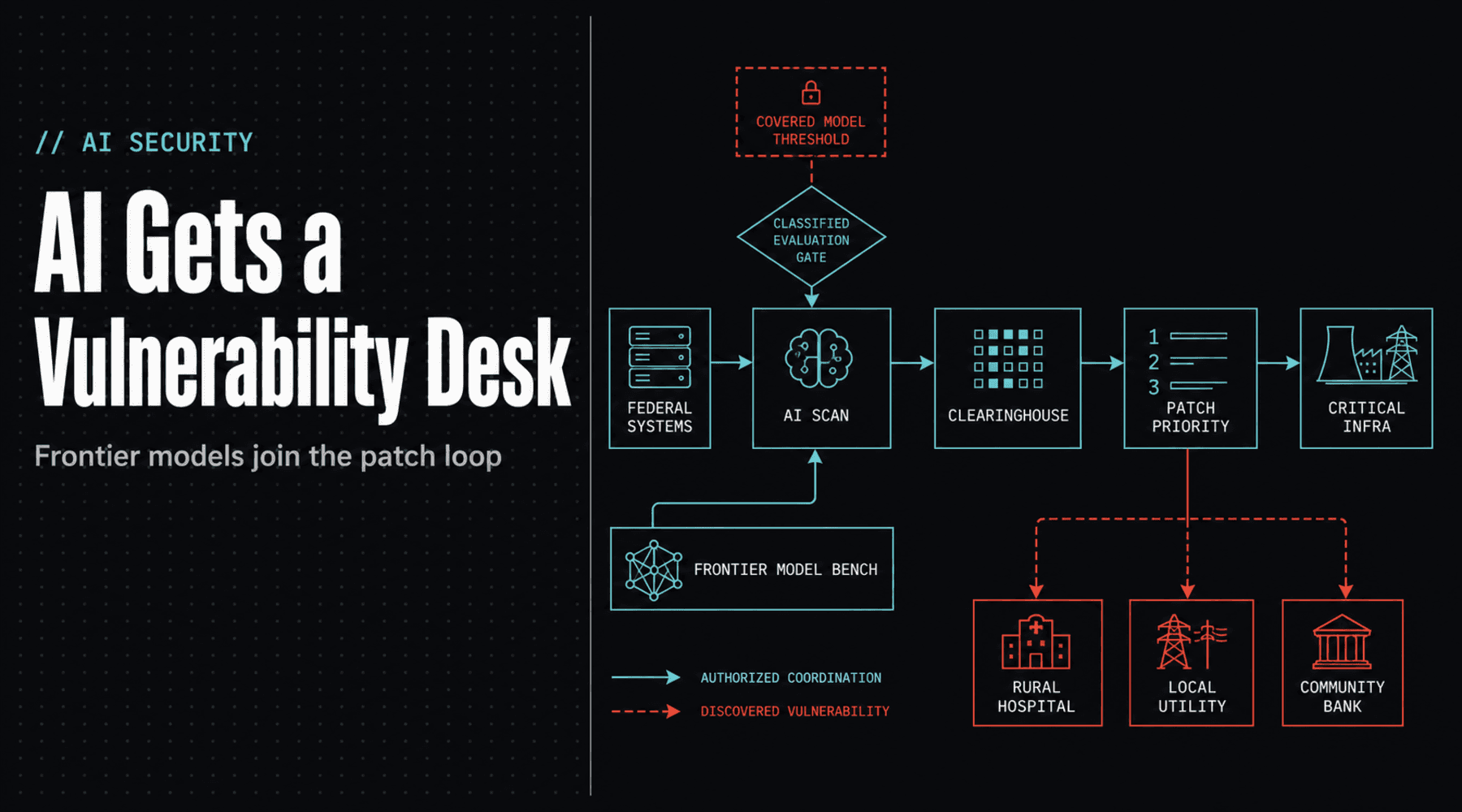
A new AI cybersecurity order points at the missing layer between frontier model capability and public-sector defense: a clearinghouse that can scan, deconflict, prioritize, and move patches before small operators drown in findings.