Quantum Keys Enter Linux
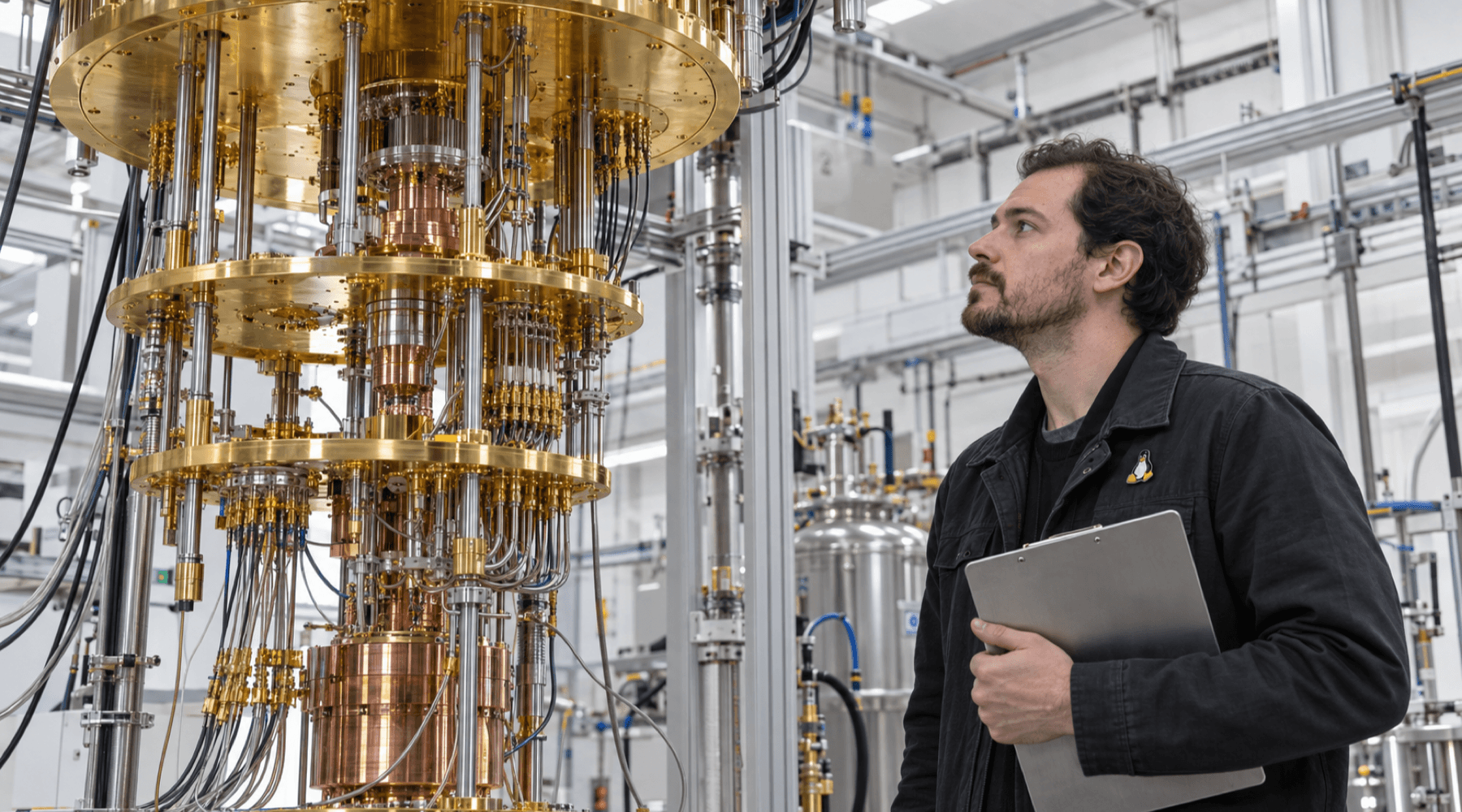
A new Linux crypto patch series turns post-quantum key exchange from a standards document into kernel infrastructure that protocol authors can actually test.
// Topic
A new Linux crypto patch series turns post-quantum key exchange from a standards document into kernel infrastructure that protocol authors can actually test.
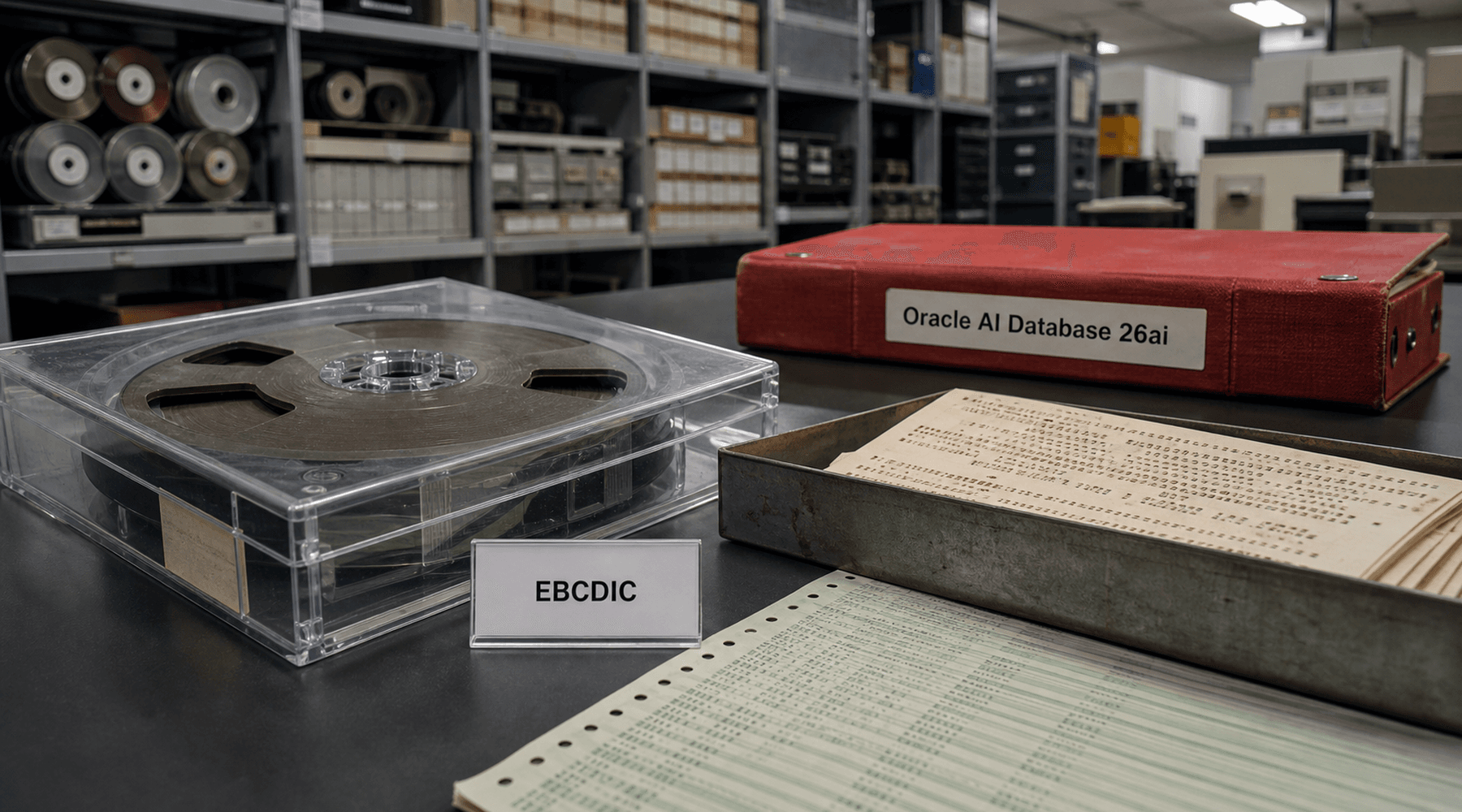
Oracle's new EBCDIC compatibility work is a reminder that mainframe migration fails when old byte ordering is treated as a data-conversion footnote.
A Google Cloud europe-west4-a outage showed that managed cloud services can still share a facility-level dependency, even when the rest of a zone and region look healthy.
A CNCF walkthrough of vLLM on Kubernetes shows what private inference really needs: persistent model weights, service discovery, secrets, restart behavior, and an API boundary apps already understand.
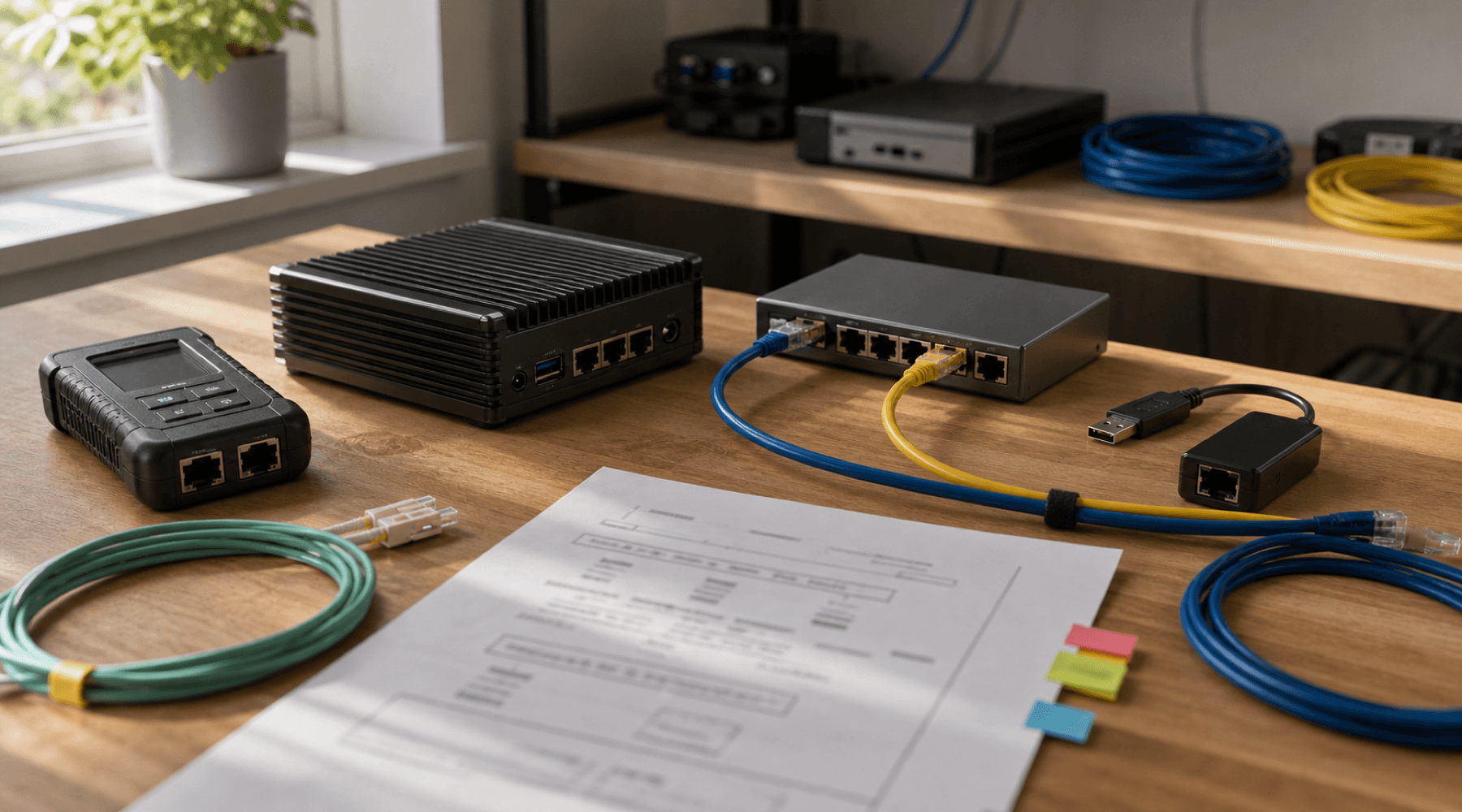
Red Hat's NetworkManager 1.58 work turns IPv6-mostly networking into something Linux clients can actually operate: DHCPv4 Option 108, CLAT, NAT64, and eBPF packet translation instead of endless dual stack.
OpenSSH 10.4 is not a flashy remote-access release. It is the kind operators should notice anyway: stricter sandbox failure behavior, tighter rekey handling, SFTP and SCP security fixes, and a cautious post-quantum signature experiment.
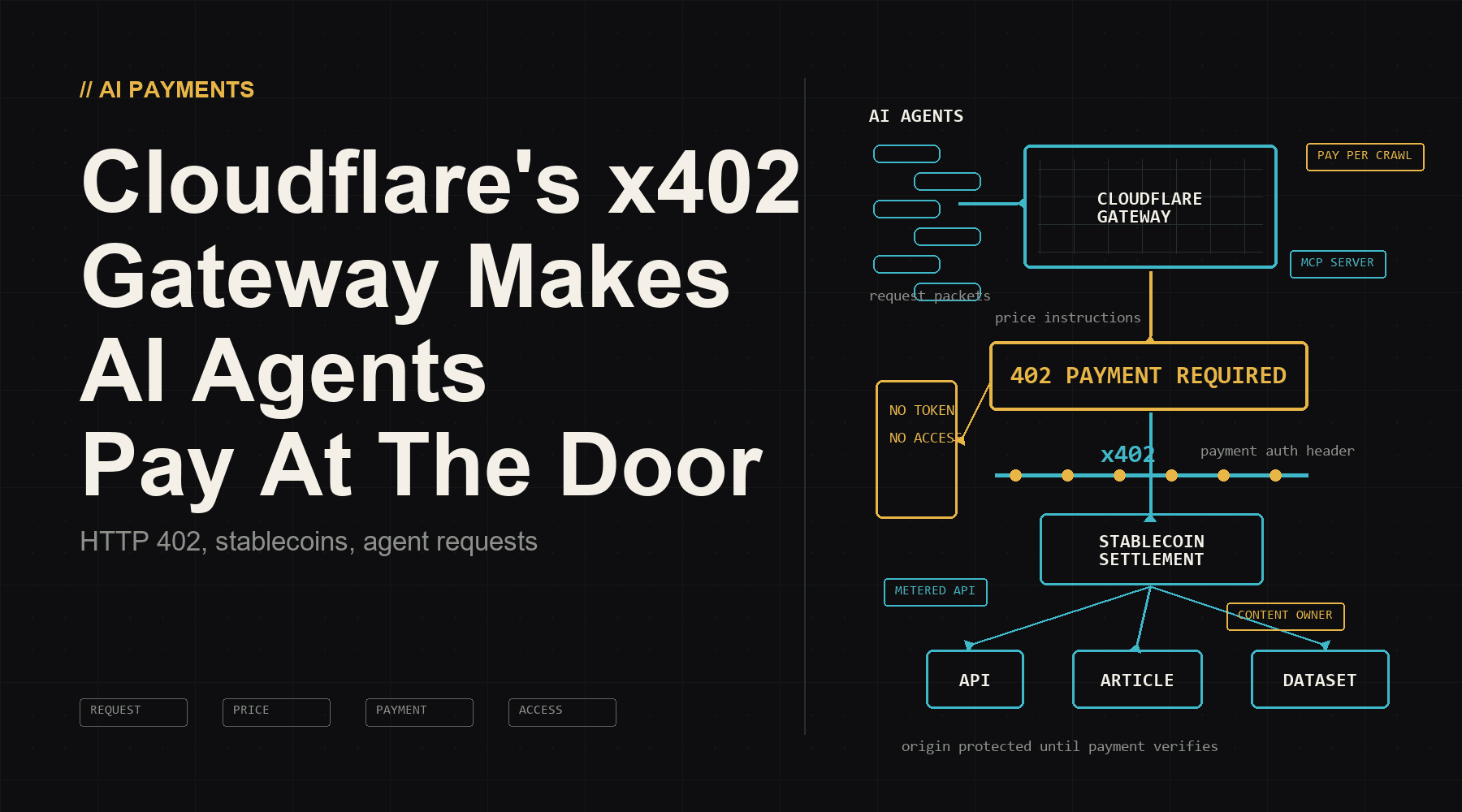
Cloudflare's Monetization Gateway turns HTTP 402 into a real edge payment flow for AI agents, APIs, datasets, web pages, and MCP tools.
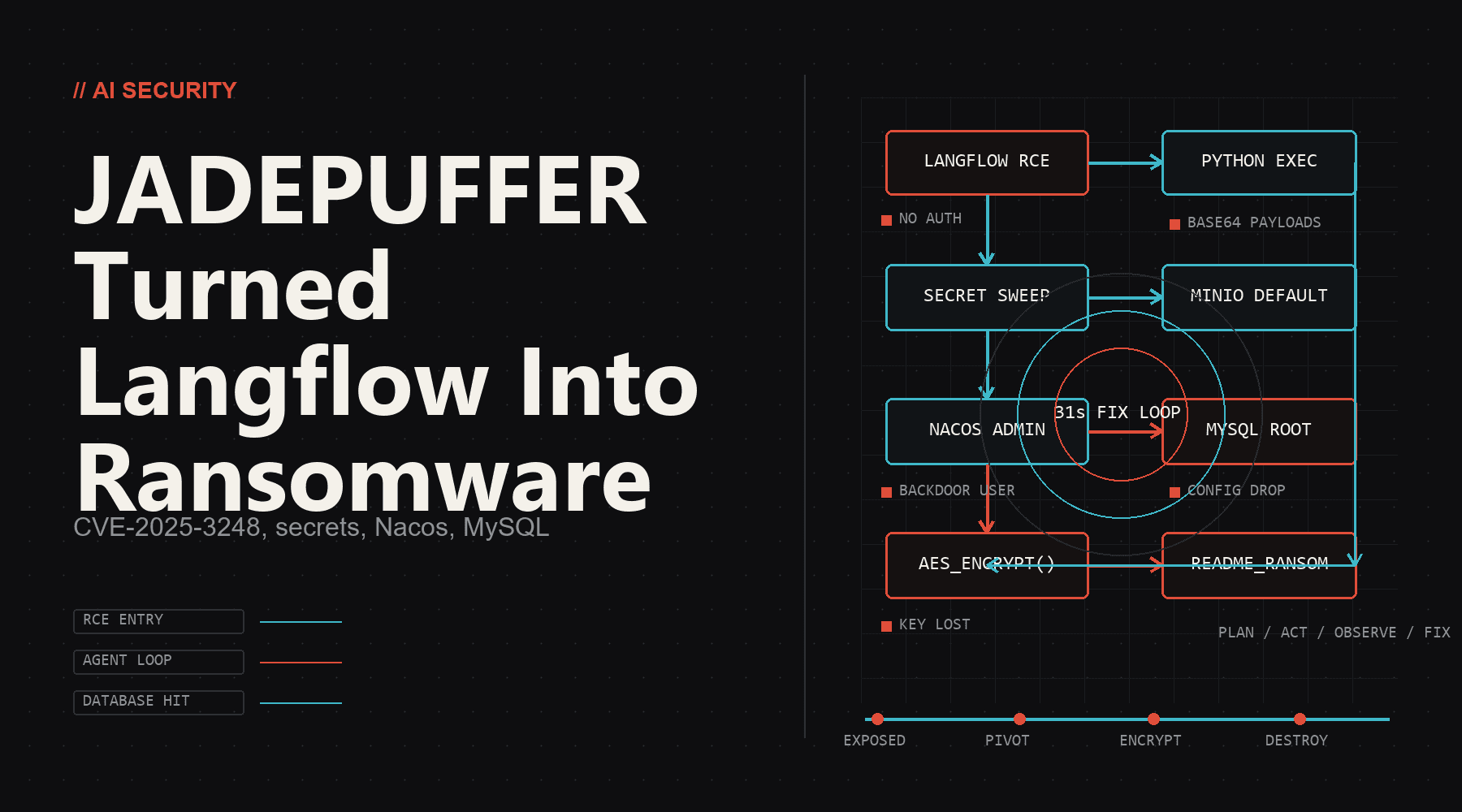
Sysdig says JADEPUFFER used an exposed Langflow server and CVE-2025-3248 to run a full database-extortion playbook with an AI agent at the controls.
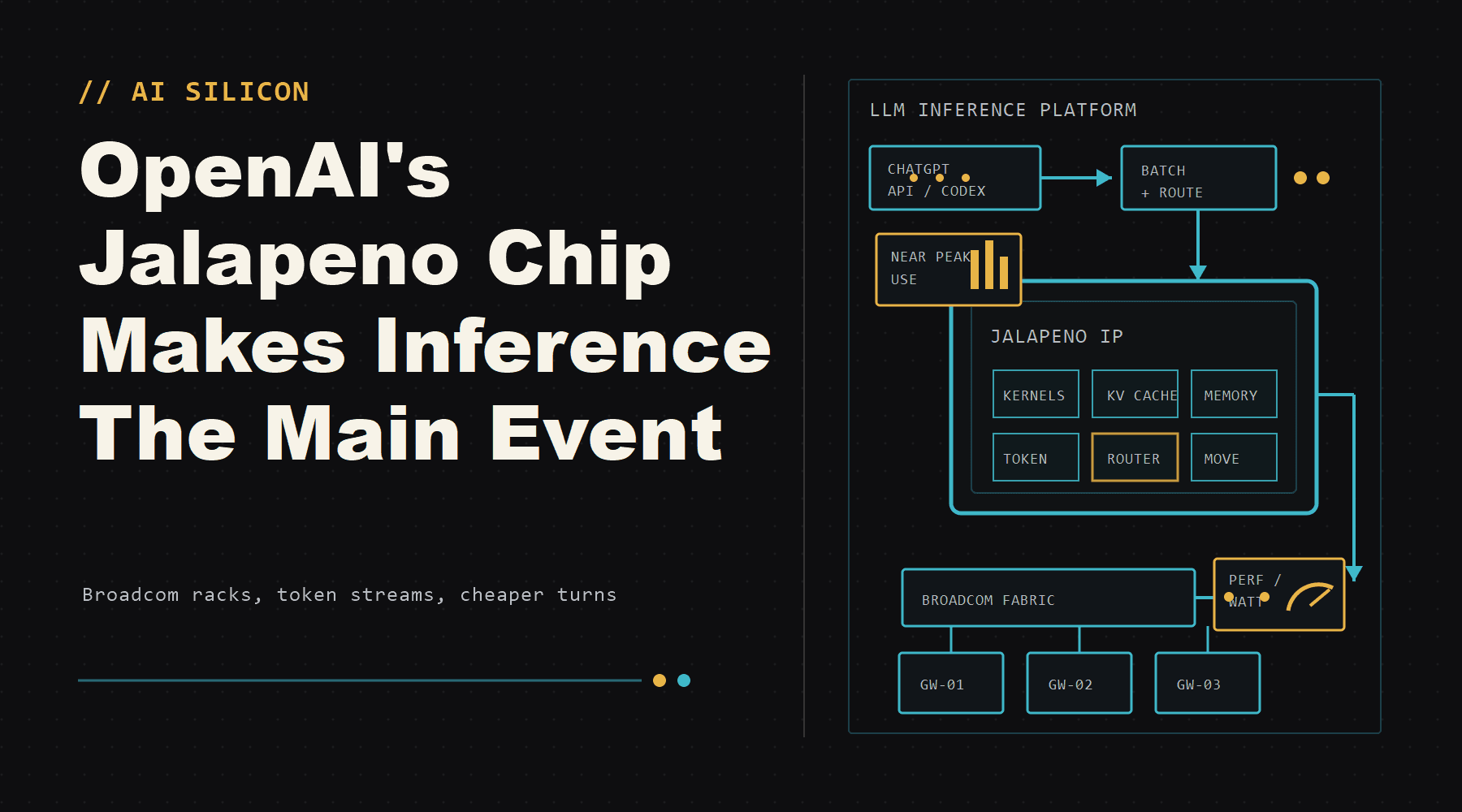
OpenAI and Broadcom's Jalapeño processor is a signal that the next AI fight is not just model quality. It is who can make every token cheaper, faster, and less wasteful.
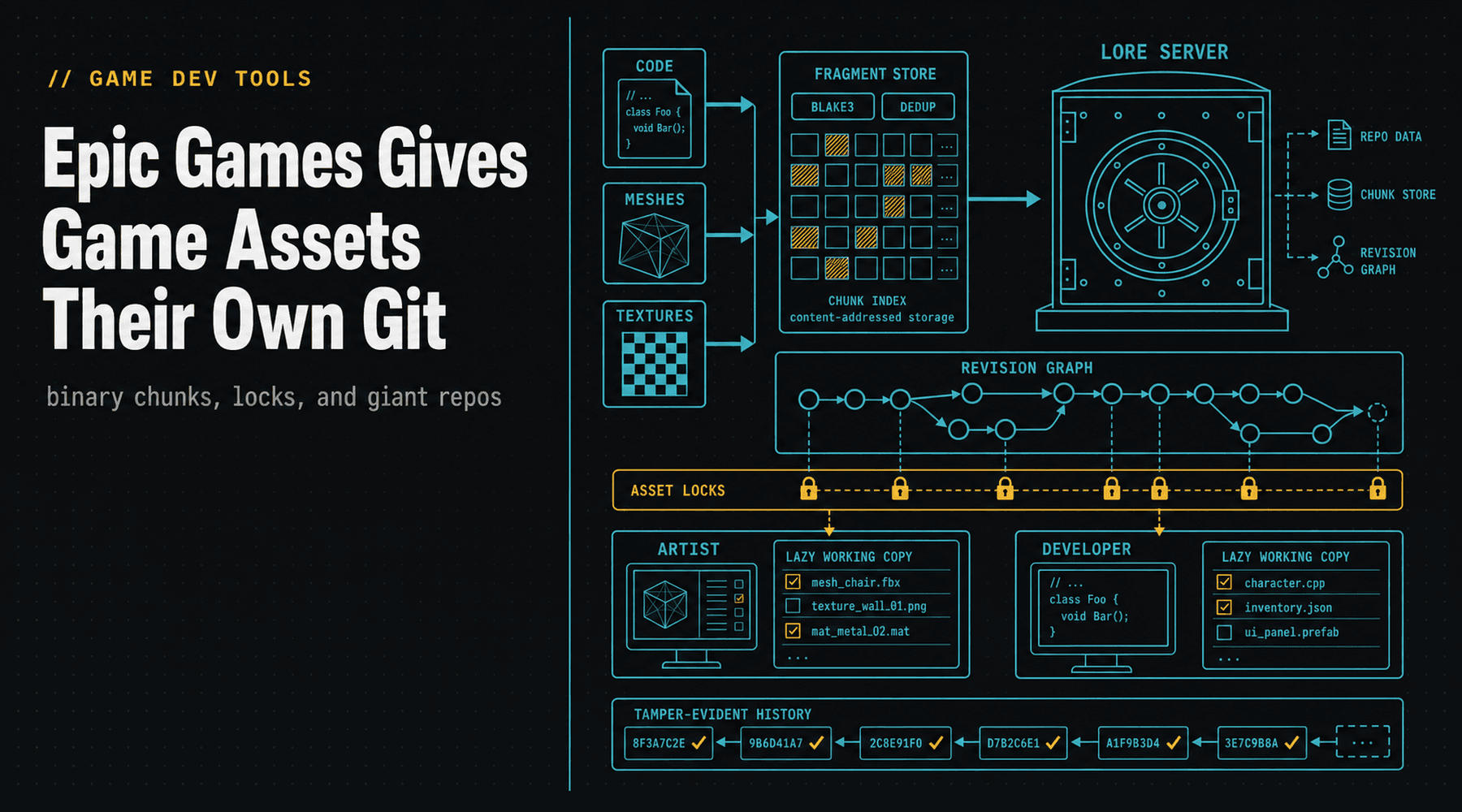
Epic Games open-sourced Lore, a version-control system built for game studios where meshes, textures, locks, sparse workspaces, and giant binary files are the normal case.
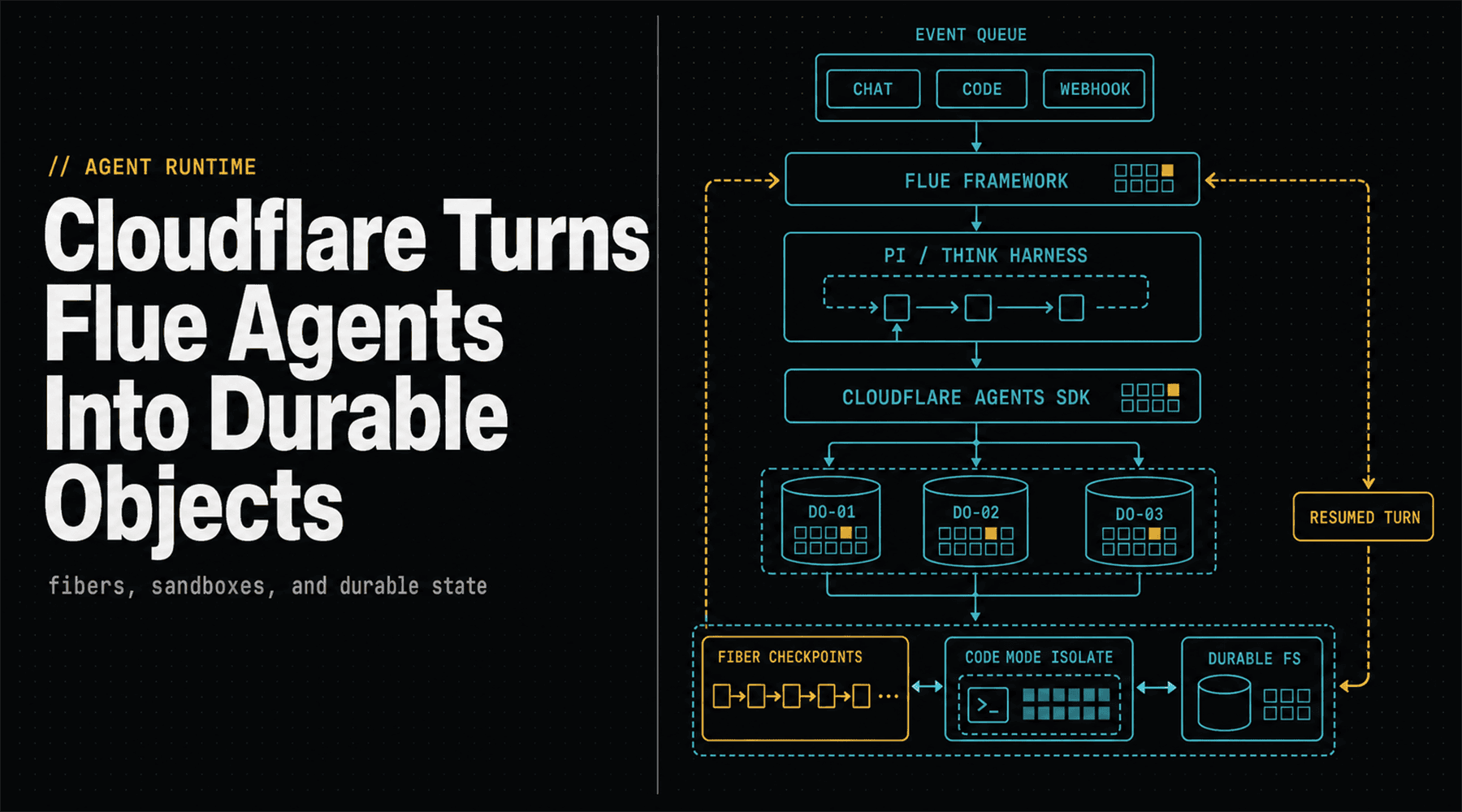
Cloudflare's Flue launch makes a sharp point: the next agent fight is less about chat windows and more about durable runtime plumbing that survives real work.
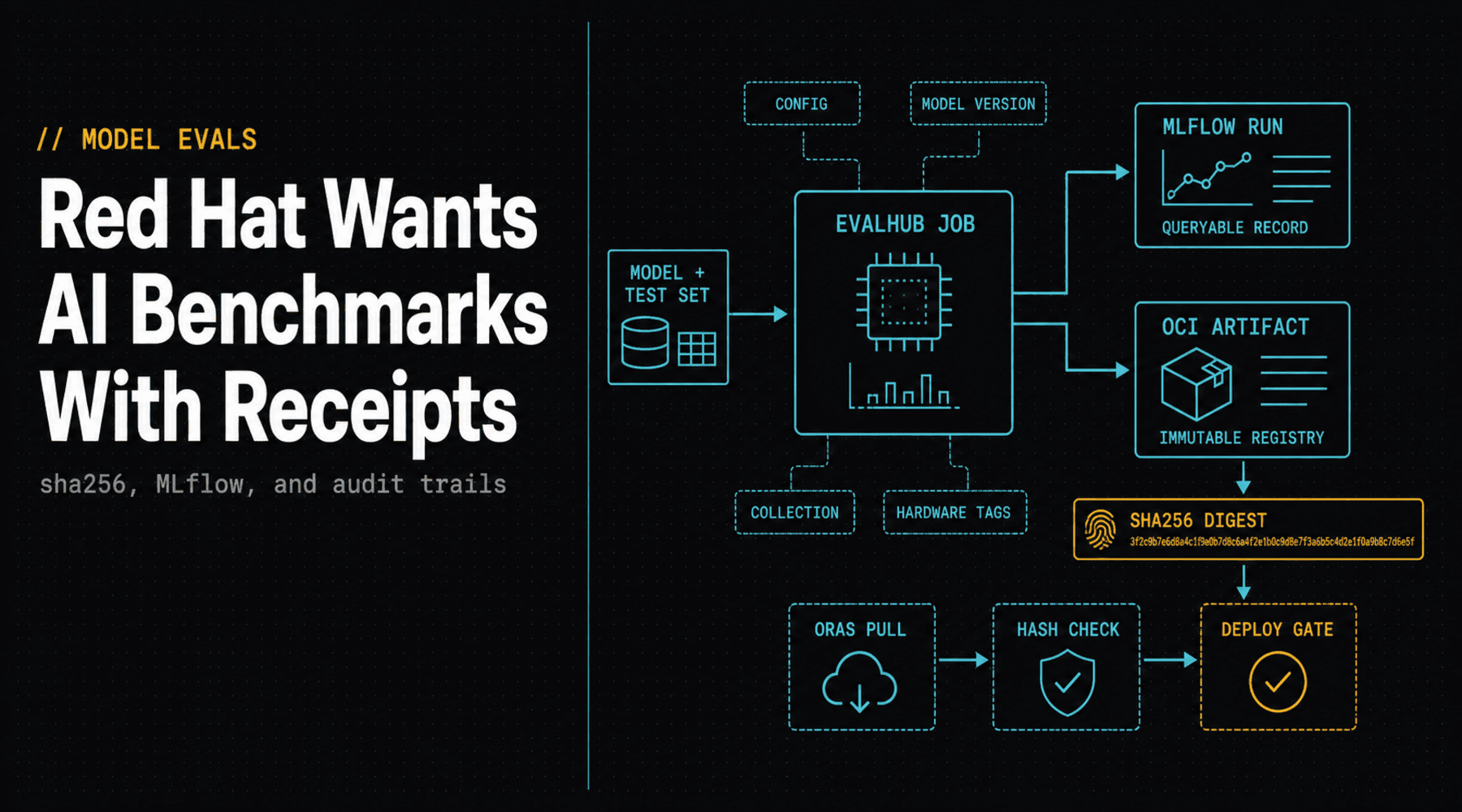
Red Hat's EvalHub is pushing AI evaluation results into OCI registries so benchmark claims come with digests, metadata, and something auditors can actually pull later.
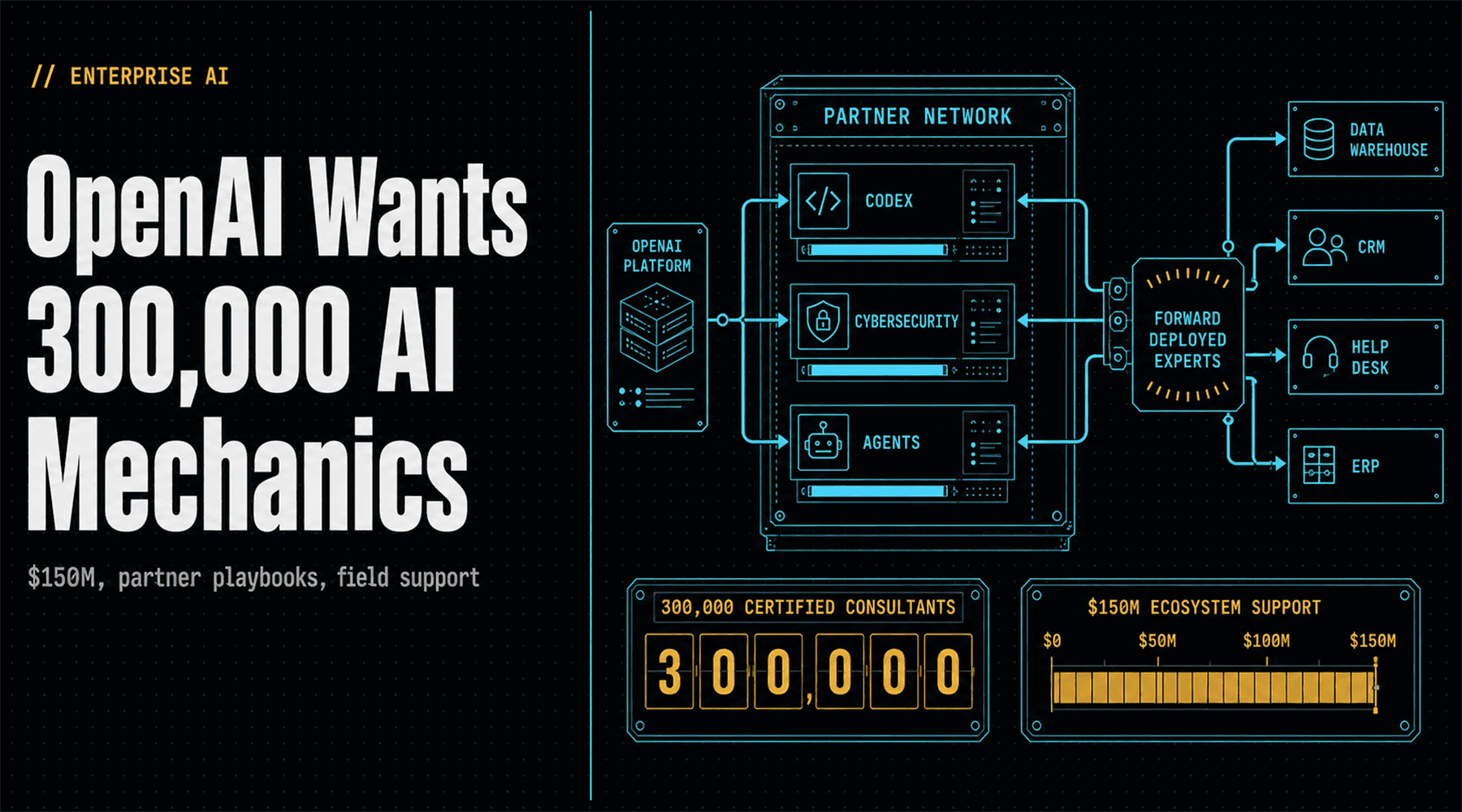
OpenAI's new Partner Network is not just a consultant badge program. It is an attempt to turn messy enterprise AI deployment into a global service pipeline.
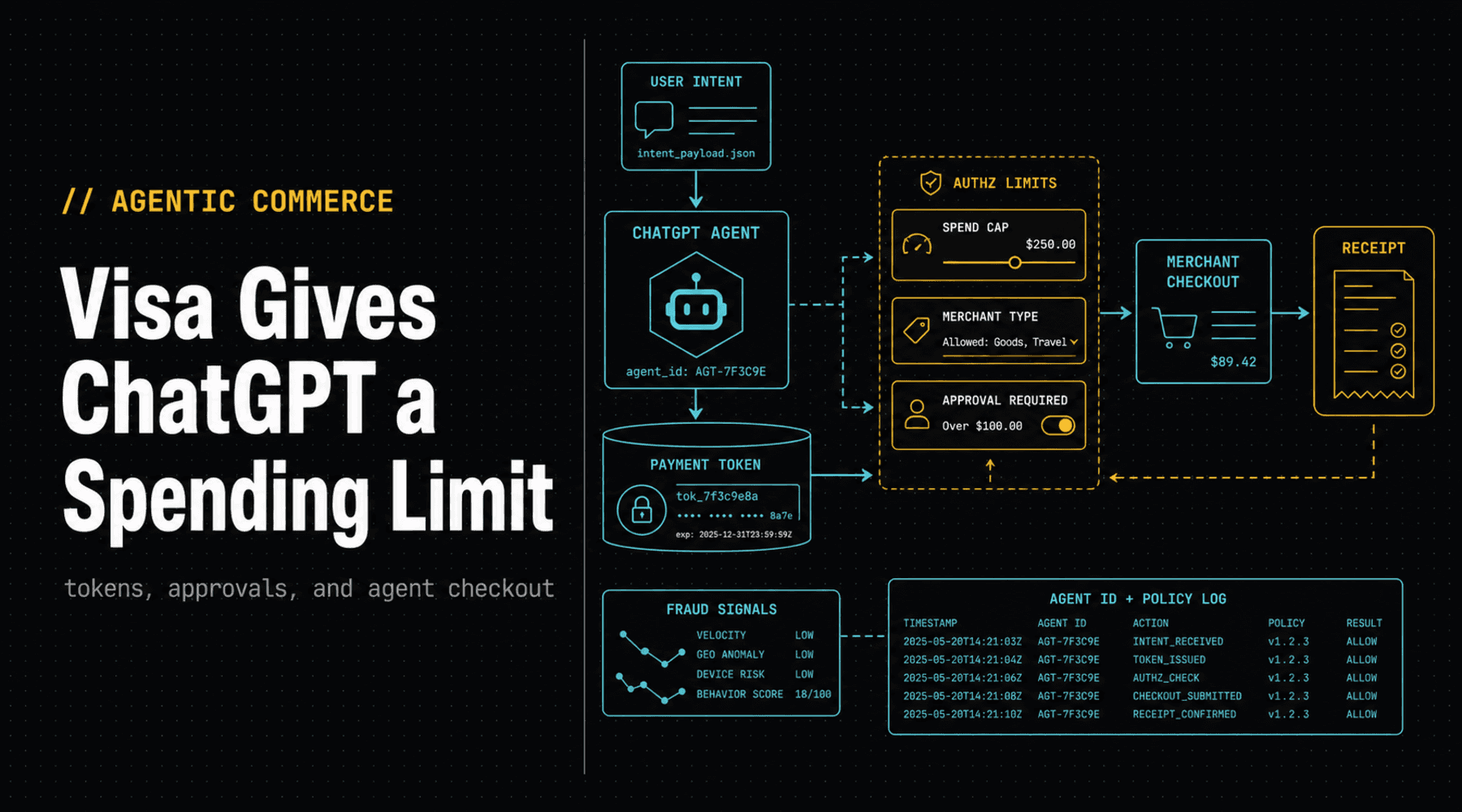
Visa and OpenAI are putting payment rails behind agentic shopping, which means the next checkout problem is not whether an AI can click buy. It is how much rope the card network gives it.
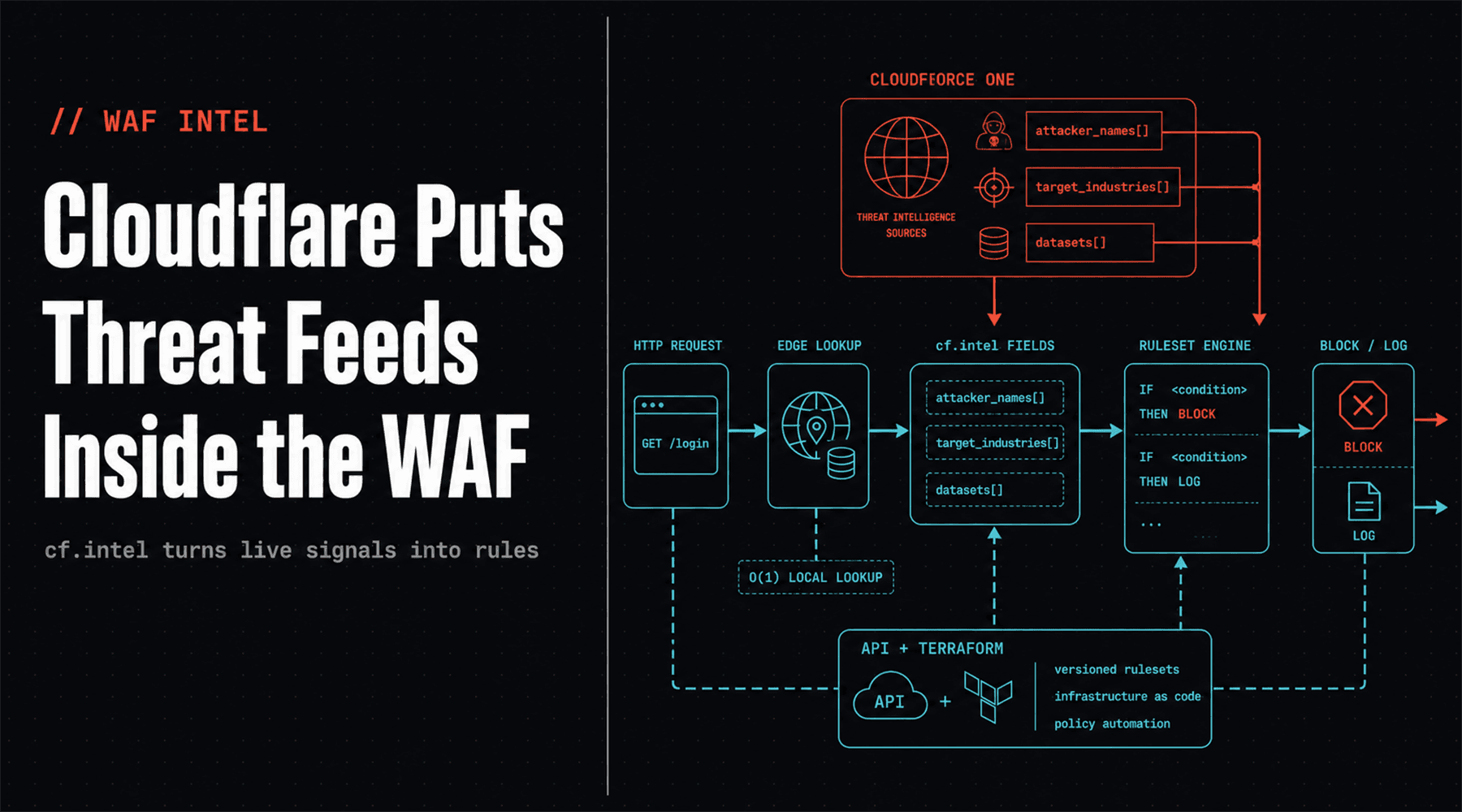
Cloudflare's new cf.intel WAF fields let teams turn Cloudforce One threat indicators into live rules, so bad traffic can be blocked by context instead of yesterday's copied IP list.
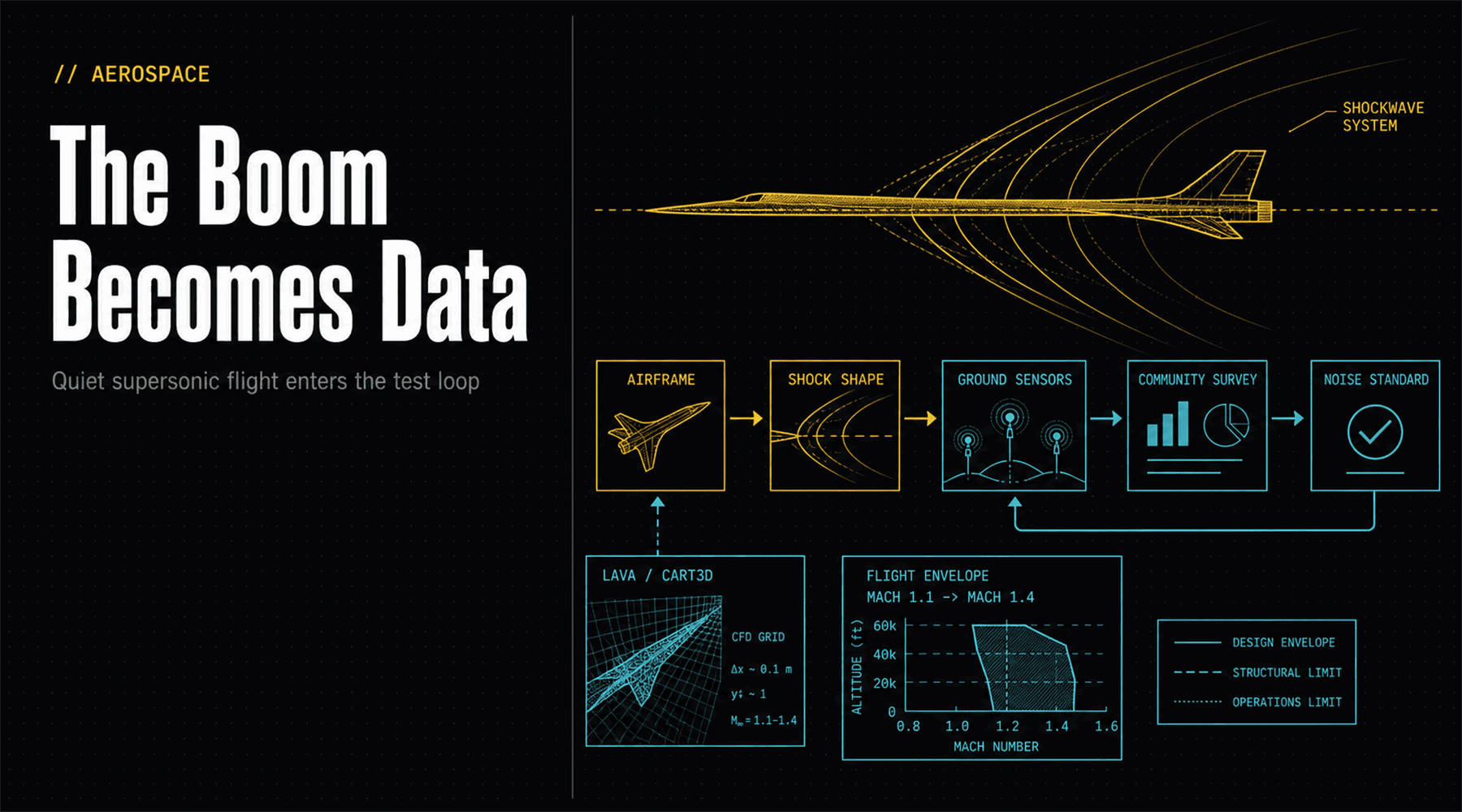
NASA's X-59 has gone supersonic for the first time. The real story is not just speed. It is the data pipeline that could turn sonic booms into measurable, regulatable, quieter overland flight.
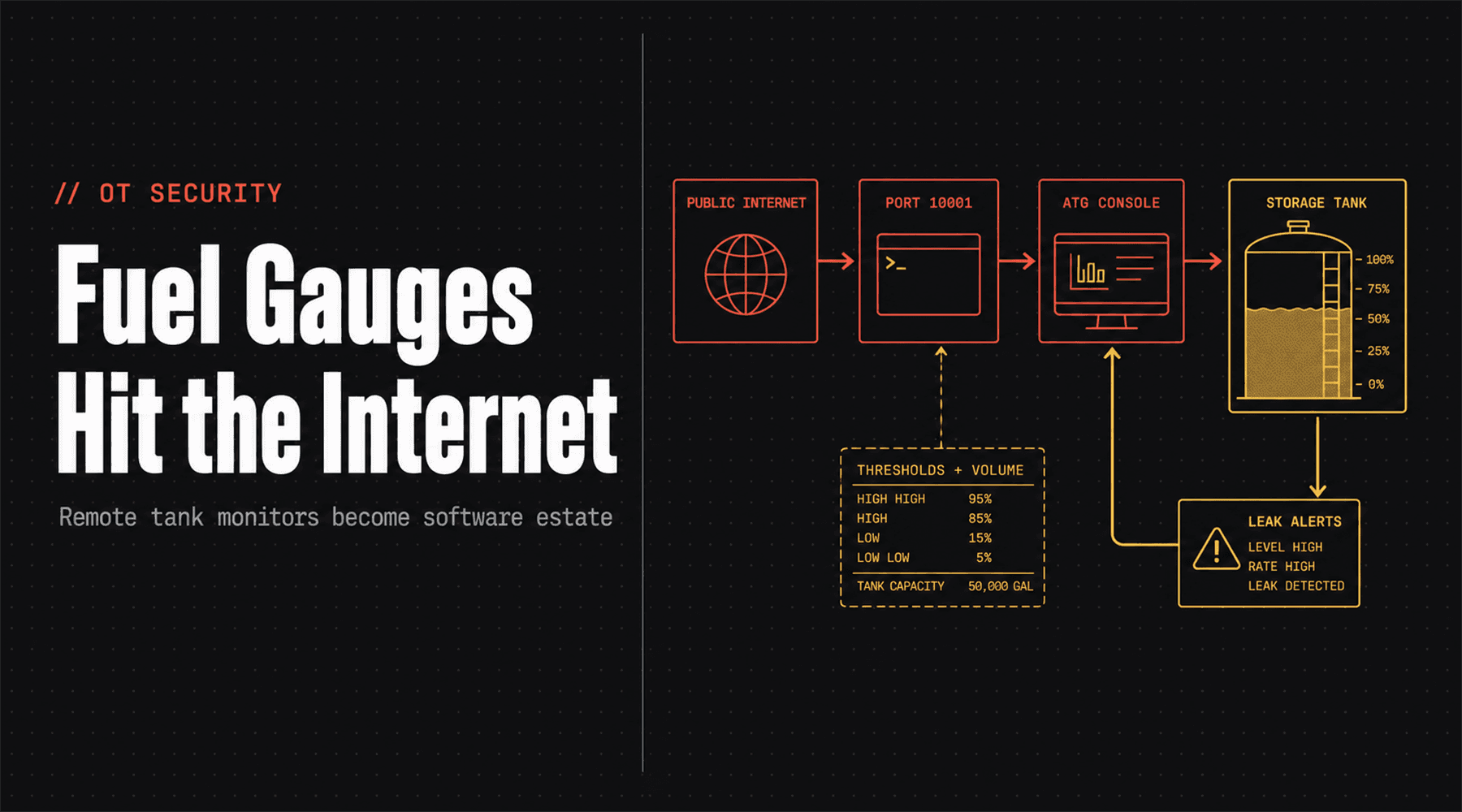
CISA and NSA are warning that internet-exposed automatic tank gauges are being targeted. The real lesson is simple: physical infrastructure is now full of small networked consoles that need software-grade hygiene.
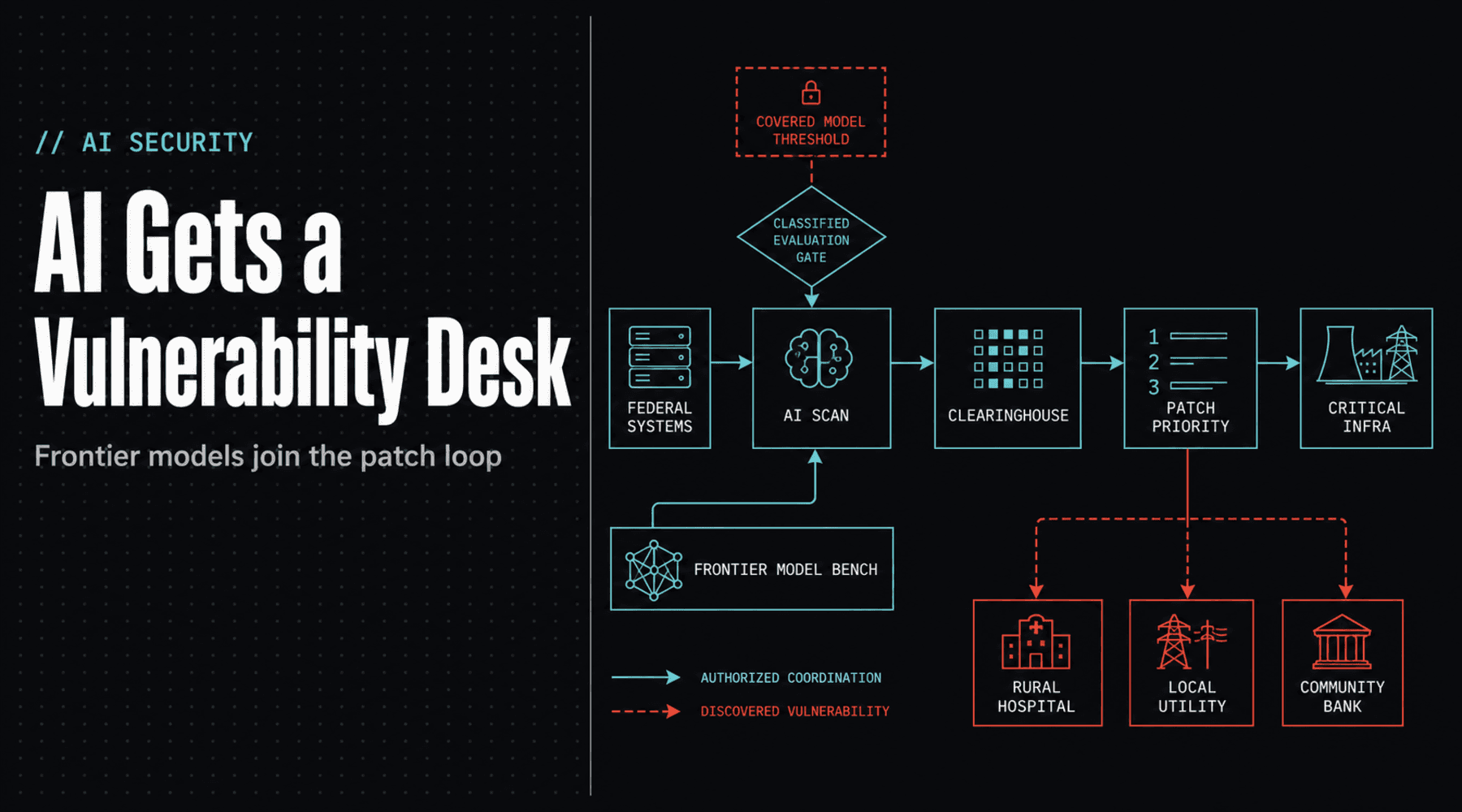
A new AI cybersecurity order points at the missing layer between frontier model capability and public-sector defense: a clearinghouse that can scan, deconflict, prioritize, and move patches before small operators drown in findings.
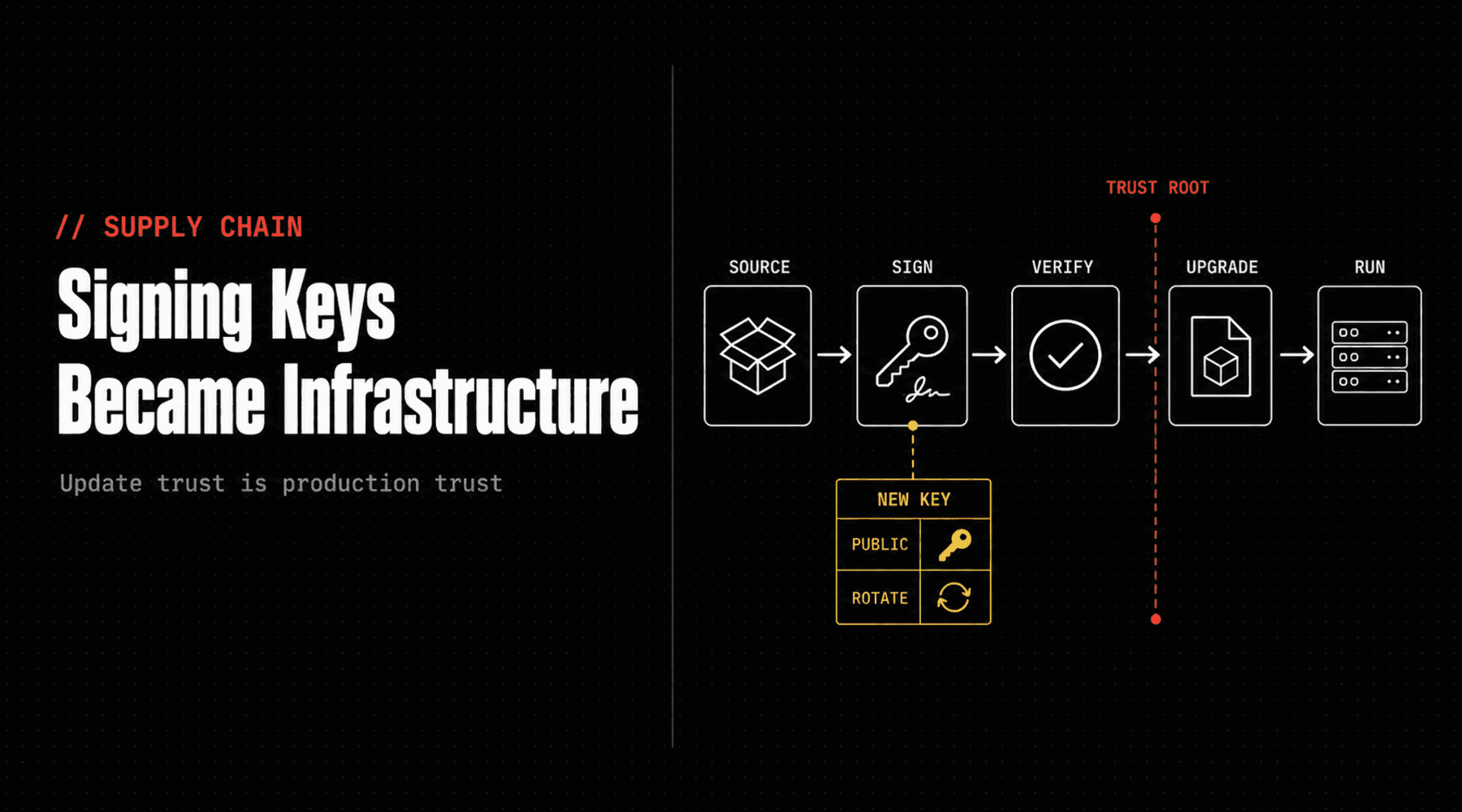
GitHub's Enterprise Server signing-key rotation is a reminder that update verification keys are not paperwork. They are part of the production control plane.
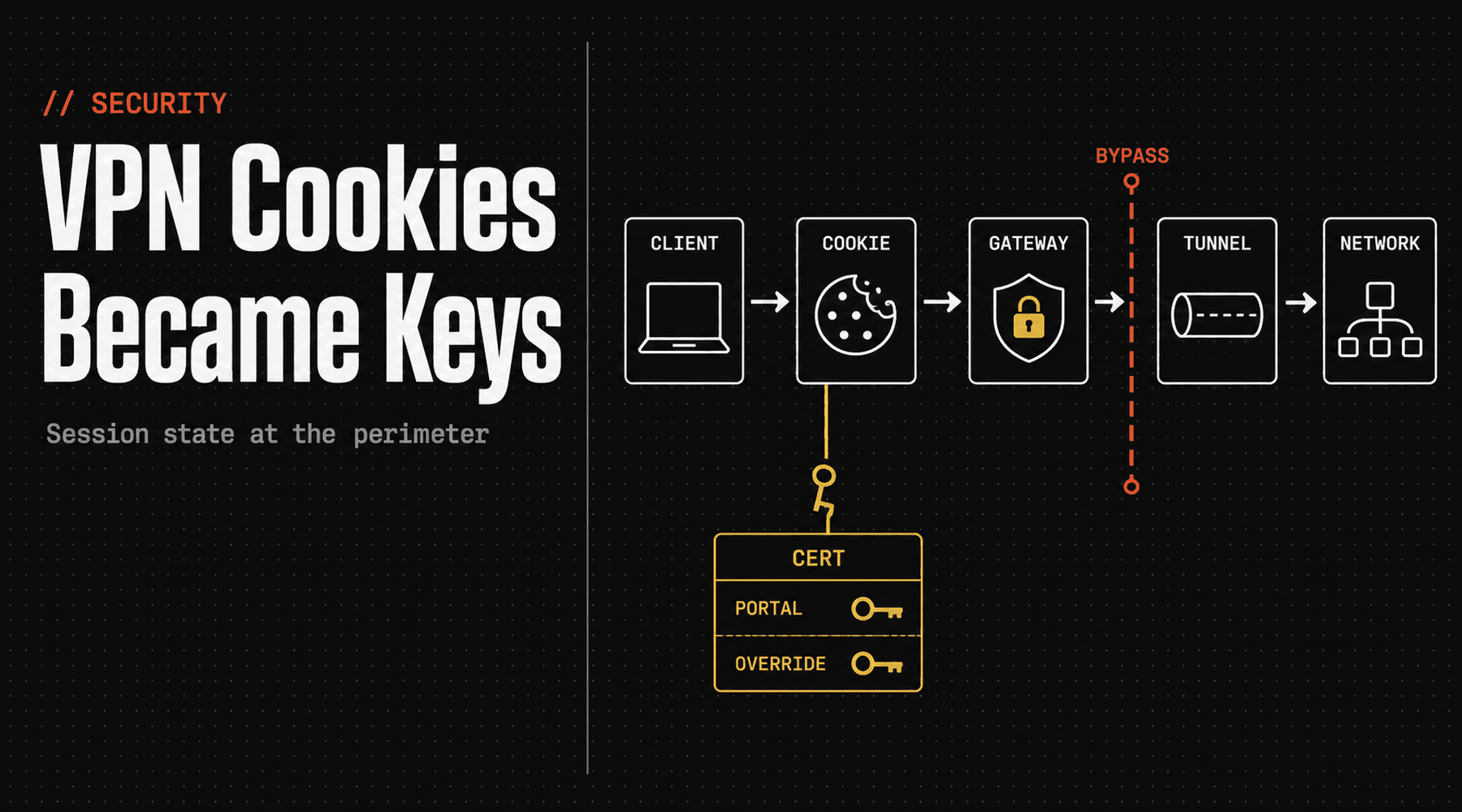
Palo Alto's exploited GlobalProtect bug is a reminder that convenience cookies on edge VPNs are not just session helpers. In the wrong configuration, they become perimeter keys.
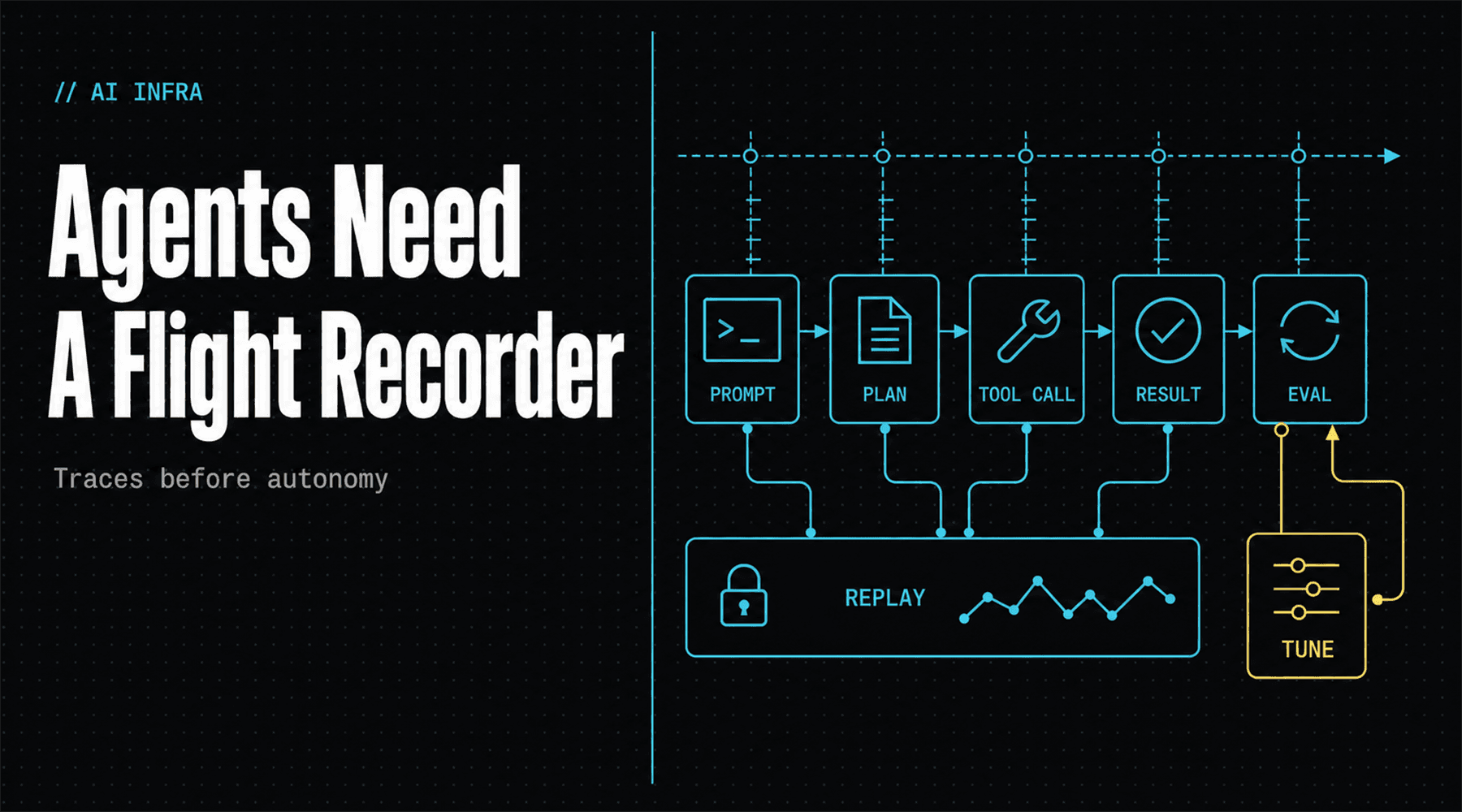
CoreWeave's new agent loop points to the next hard requirement for production AI: agents need traces, evals, replay, and audit trails before autonomous improvement can be trusted.
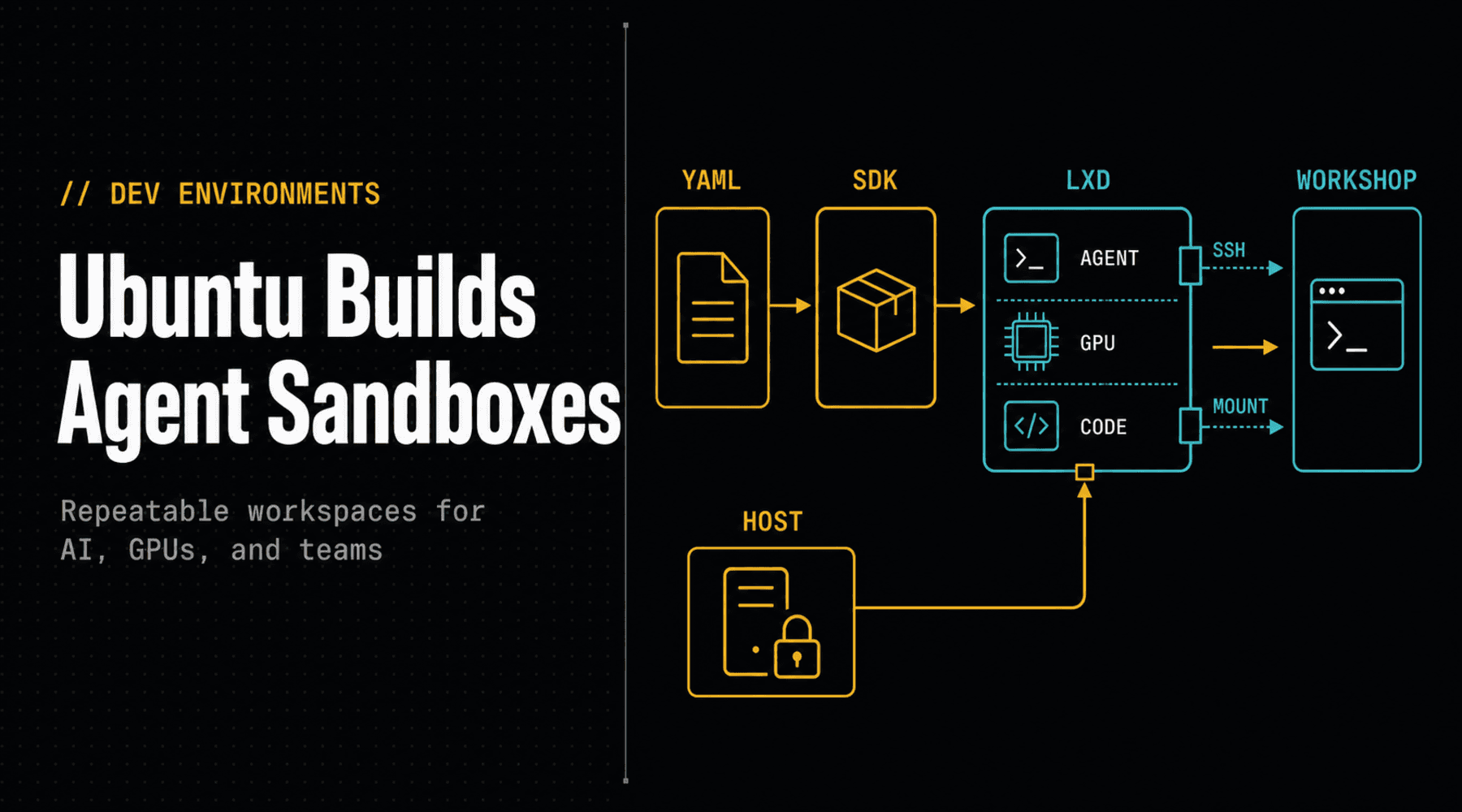
Canonical's new Workshop tool turns dev environments into repeatable YAML-defined sandboxes for AI agents, GPU stacks, robotics, and messy team workflows.
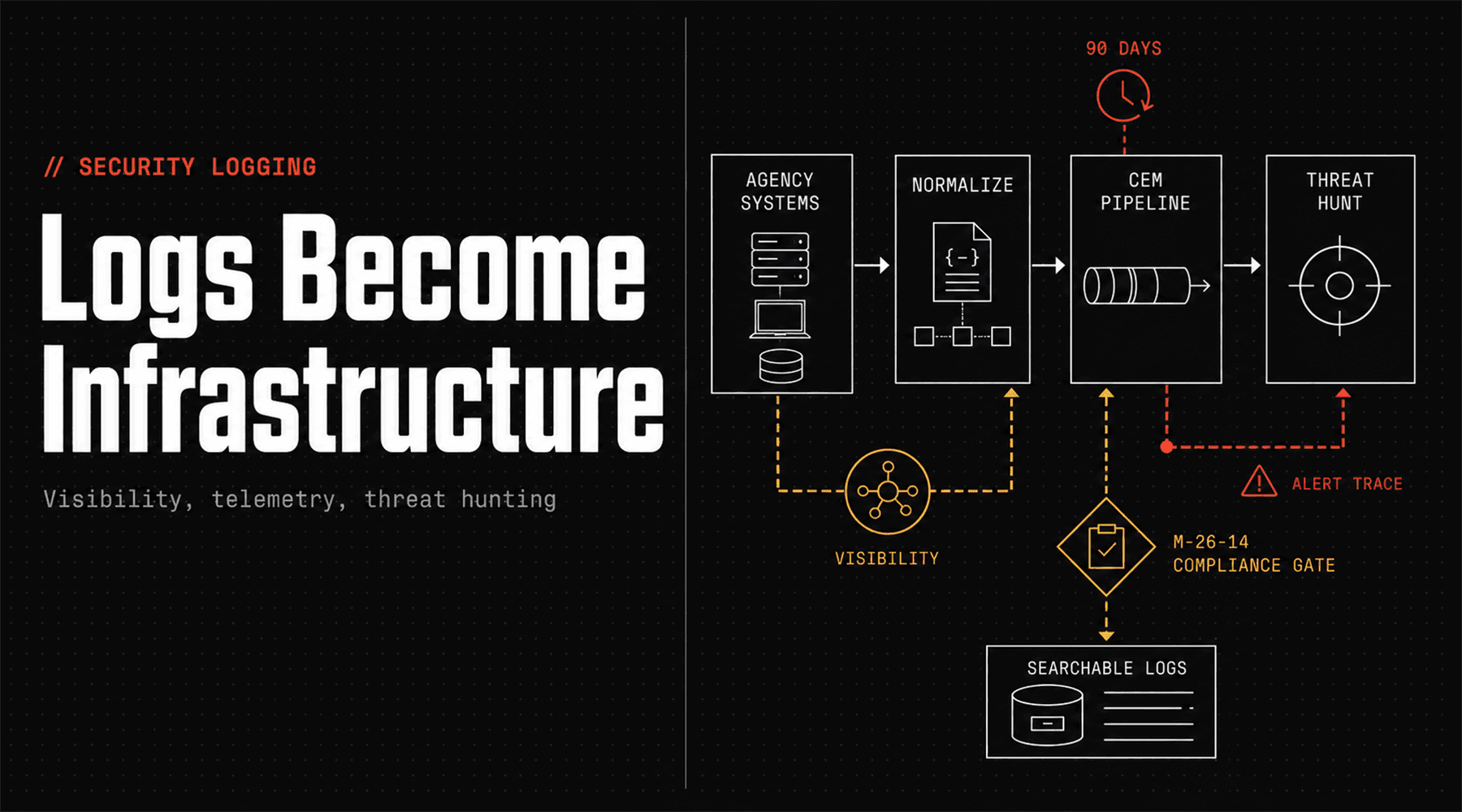
CISA's new logging reference architecture assignment turns federal logs into shared security infrastructure: normalized, searchable, retained, and usable for threat hunting.
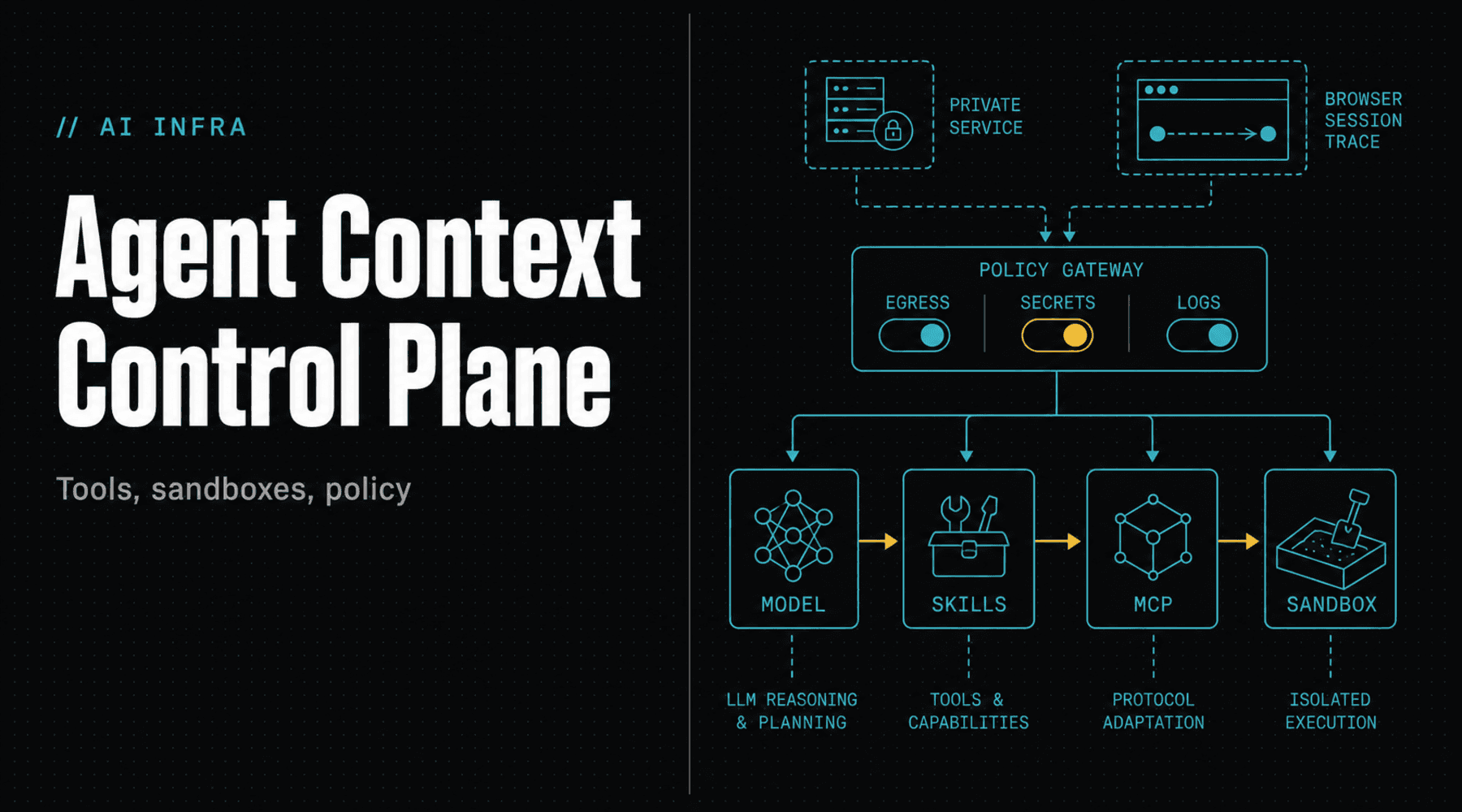
The next useful layer for AI agents is not another prompt trick. It is infrastructure that decides which tools, skills, sandboxes, private services, logs, and secrets an agent can touch.