Copilot Rewrites The Runtime Without A Flag Day
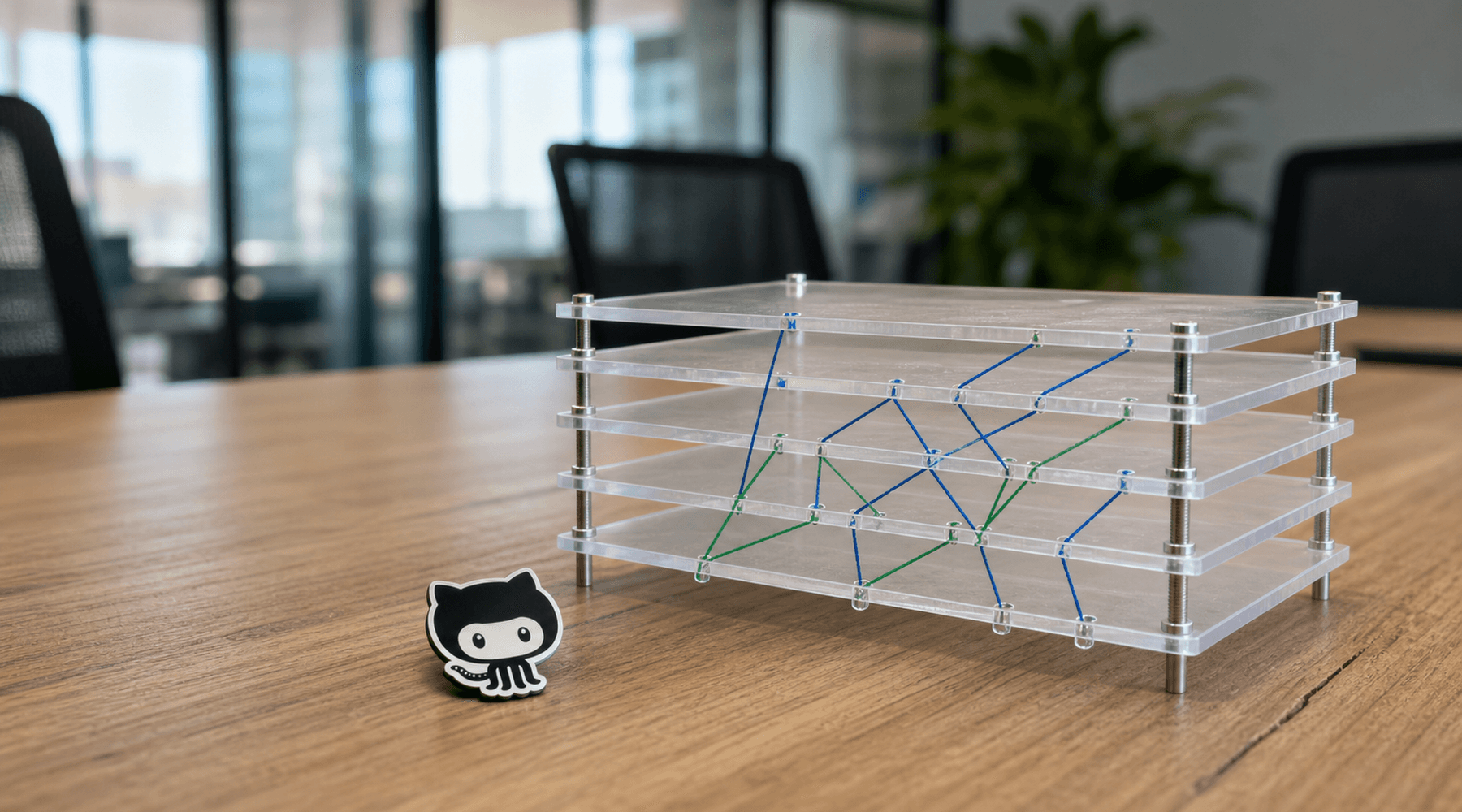
GitHub used agents to port Copilot's shared runtime from TypeScript to 832,000 lines of Rust. The more useful story is how it kept shipping throughout.
// Topic
GitHub used agents to port Copilot's shared runtime from TypeScript to 832,000 lines of Rust. The more useful story is how it kept shipping throughout.
Rust's next borrow checker is now on nightly, giving developers a real shakeout period for flow-sensitive borrowing before stabilization.
GitHub's public preview of stacked pull requests turns a long-running review workaround into first-party developer workflow.
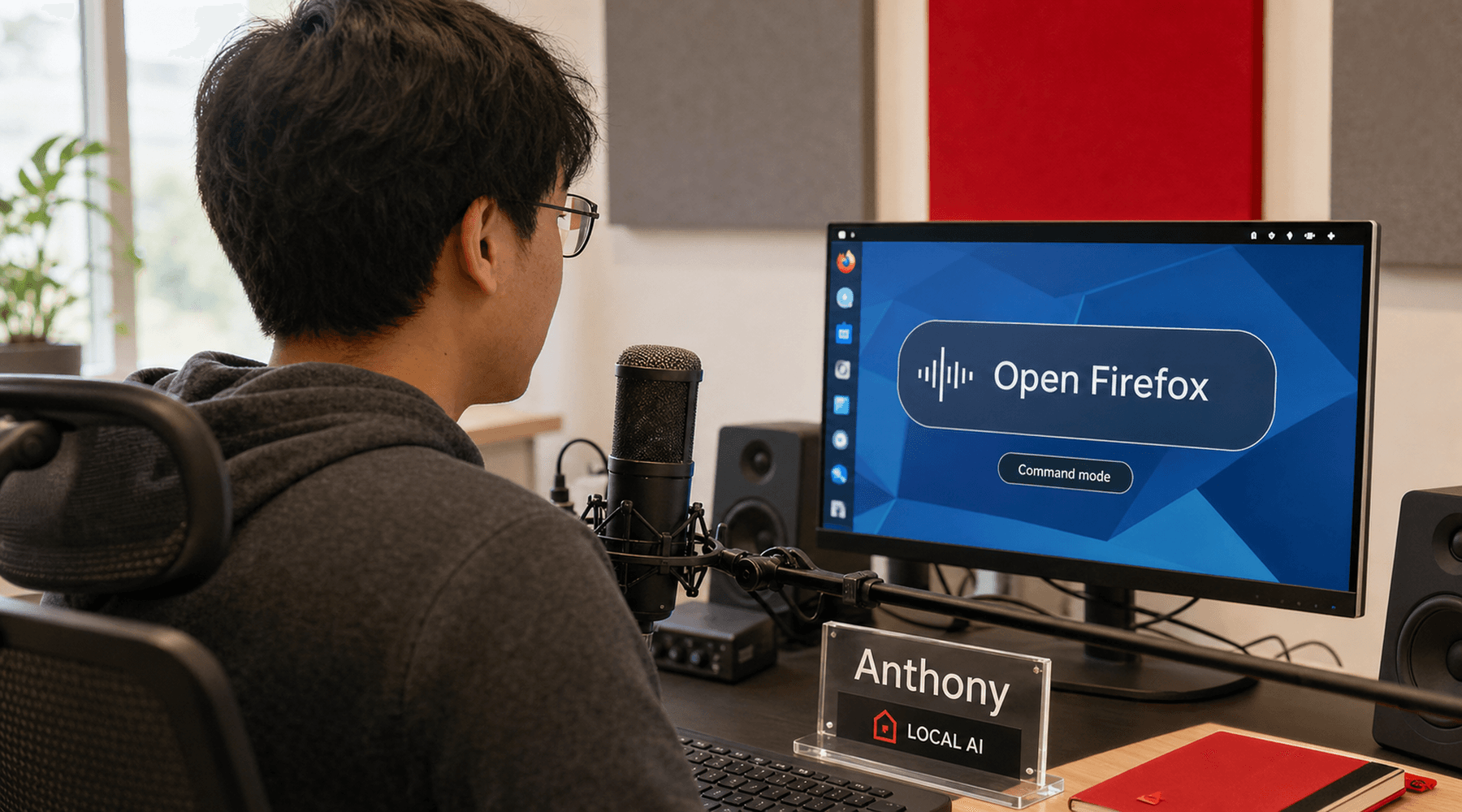
Red Hat Developer highlighted Anthony, a local AI voice-control layer that turns GNOME desktop actions into spoken commands.
Cloudflare's pvcli gives OHTTP, CONNECT proxying, and future MASQUE work a curl-like test harness for privacy-preserving protocols.
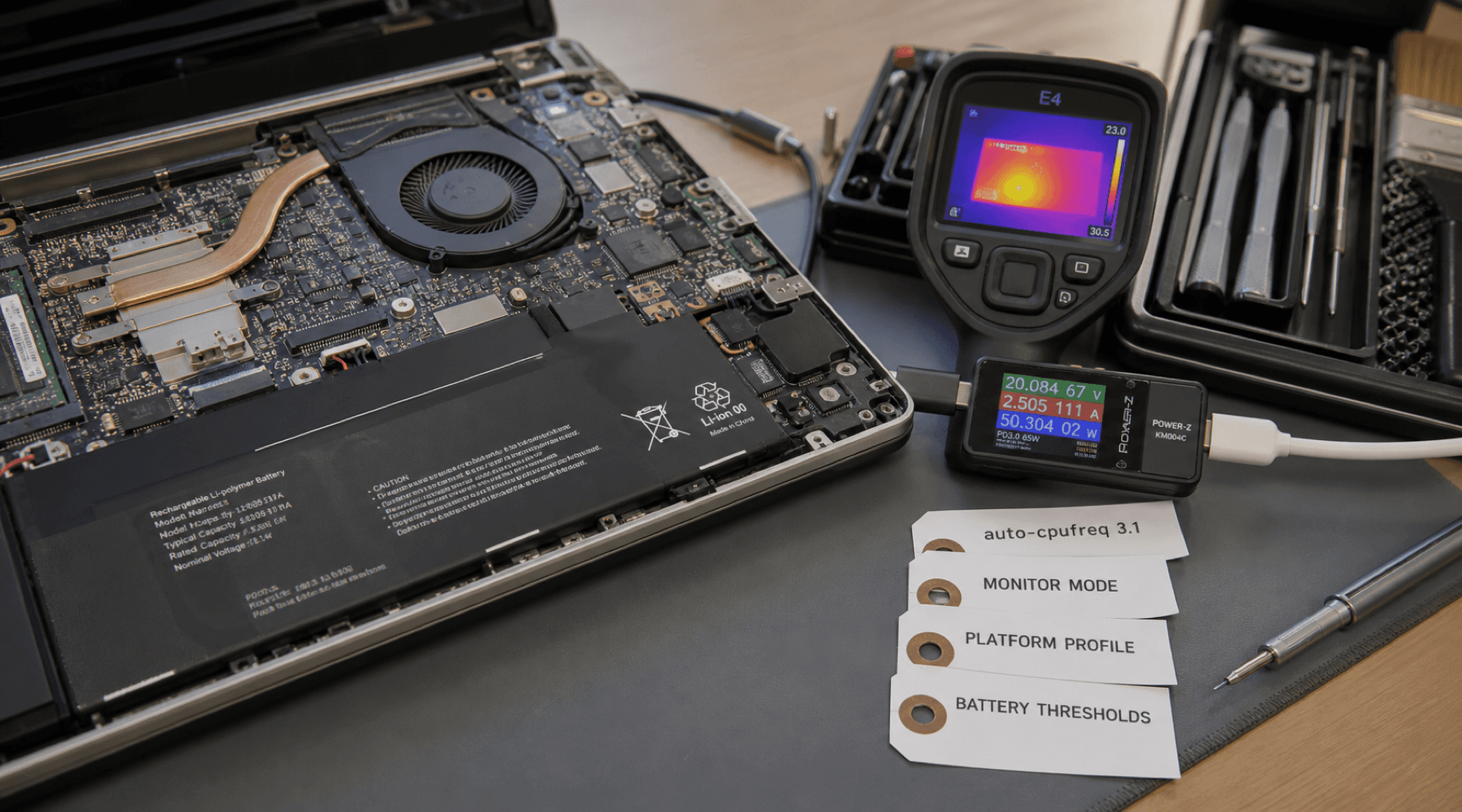
Auto-CPUFreq 3.1 adds GUI monitoring and tighter laptop power controls, turning Linux power tuning into something operators can inspect.
GitHub's new Dependabot cooldown waits three days before version-update pull requests, giving fresh package releases time to collect scrutiny.
PyPI now rejects new files on releases older than 14 days, narrowing a supply-chain path where a compromised publisher could poison a long-stable version.
Block's open-source Buzz puts humans, AI agents, workflows, and Git events into one signed workspace, with scoped agent identities instead of borrowed human accounts.
Microsoft's open-source Dusseldorf project turns out-of-band application security testing into private infrastructure for capturing DNS, HTTP, and HTTPS callbacks.
GNU Hurd's Q2 2026 work shows progress on AArch64, 9P file sharing, storage translators, POSIX cleanup, and an early Rust path for writing Hurd translators.
Mozilla AI's Llamafile 0.10.4 adds Transcribefile, pushing speech-to-text into the same portable single-file pattern that made local LLMs easier to move across machines.
Mistral's Robostral Navigate is an 8B embodied-navigation model that steers robots from plain-language instructions using one ordinary RGB camera instead of LiDAR, depth sensors, or multi-camera rigs.
TypeScript 7 is not just a faster compiler release. The Go-based native port changes the cost of type checking, editor diagnostics, watch mode, and build feedback for large JavaScript codebases.
ECMAScript 2026 is a standards release about practical pressure points: precise numeric sums, async collection construction, iterator composition, binary encoding helpers, map defaults, error checks, and finer JSON control.
Canonical's latest Ubuntu-on-ARM update is less about one flashy device and more about architecture parity: main archive delivery, Livepatch, Secure Boot laptop work, FEX-backed gaming, and a shrinking desktop software gap.
Box3D is a new open-source 3D physics engine from Box2D creator Erin Catto. The interesting part is not only another physics library. It is the attempt to make hard-won game simulation knowledge portable, inspectable, and reusable across projects.
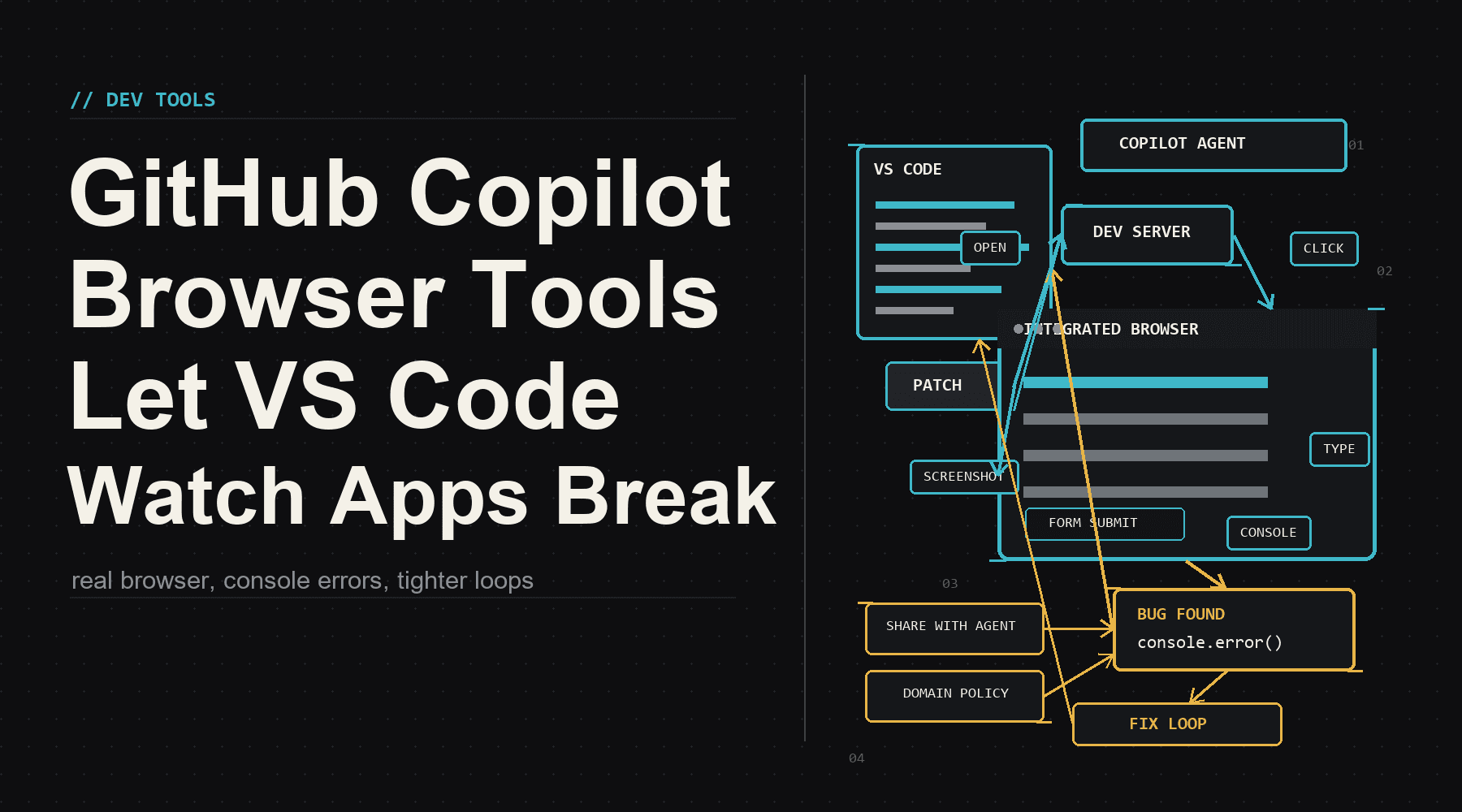
GitHub Copilot's browser tools are now generally available in VS Code, giving coding agents a real browser loop for clicks, console errors, screenshots, and fixes.
Git 2.55 is not one big flashy feature. It is a release about lowering the cost of everyday source-control work: smaller repository maintenance writes, simpler history cleanup, faster status on Linux, and safer terminal output.
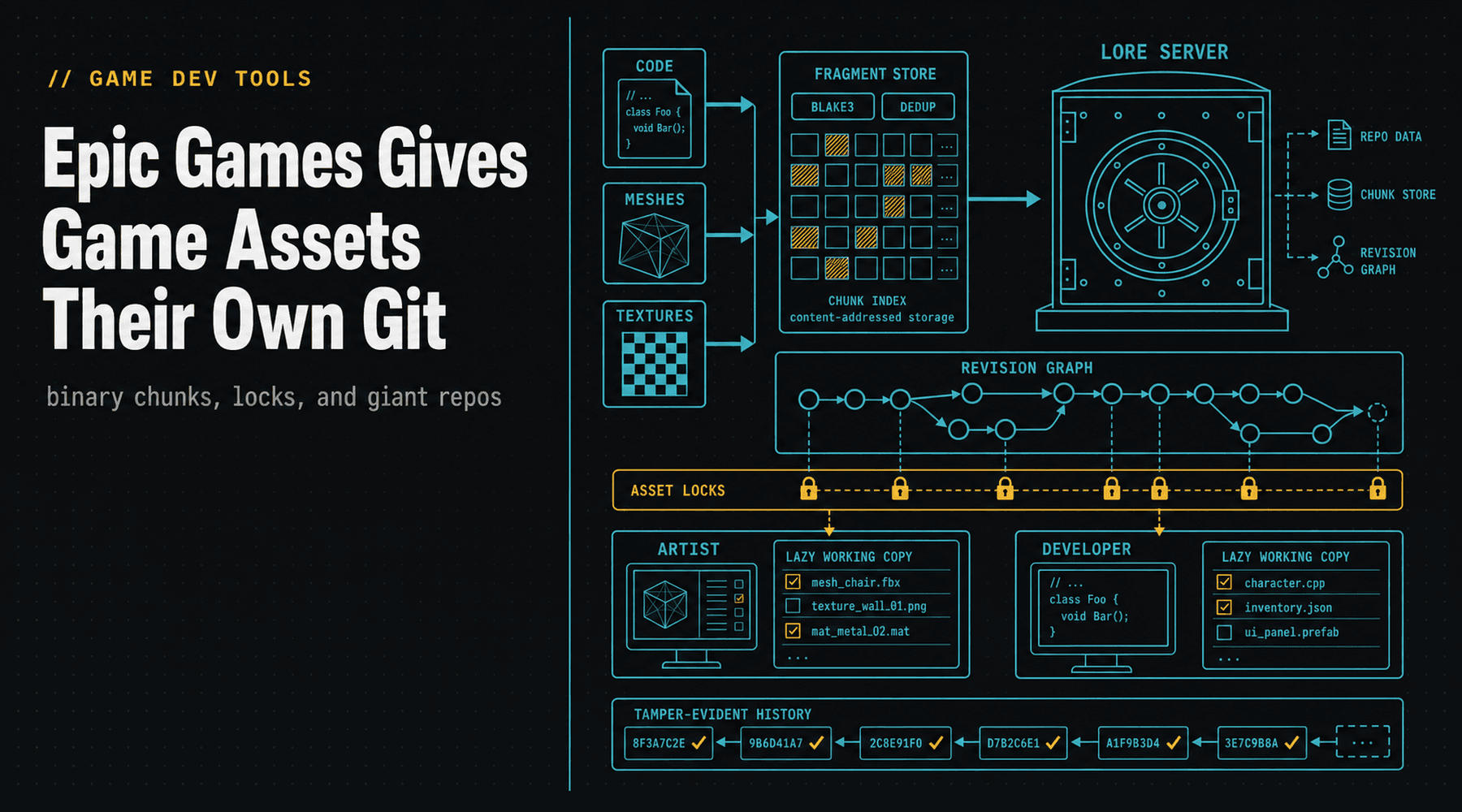
Epic Games open-sourced Lore, a version-control system built for game studios where meshes, textures, locks, sparse workspaces, and giant binary files are the normal case.
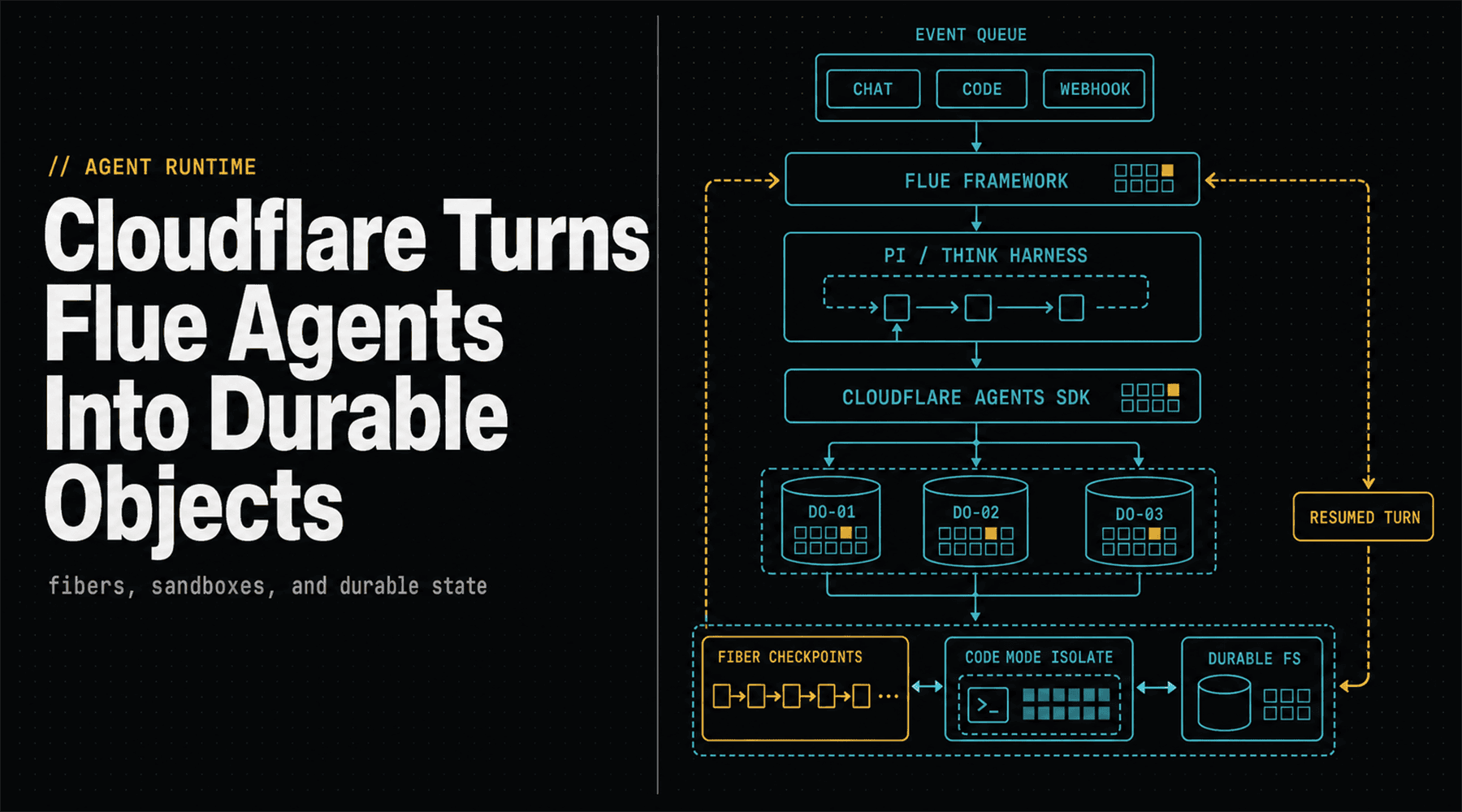
Cloudflare's Flue launch makes a sharp point: the next agent fight is less about chat windows and more about durable runtime plumbing that survives real work.
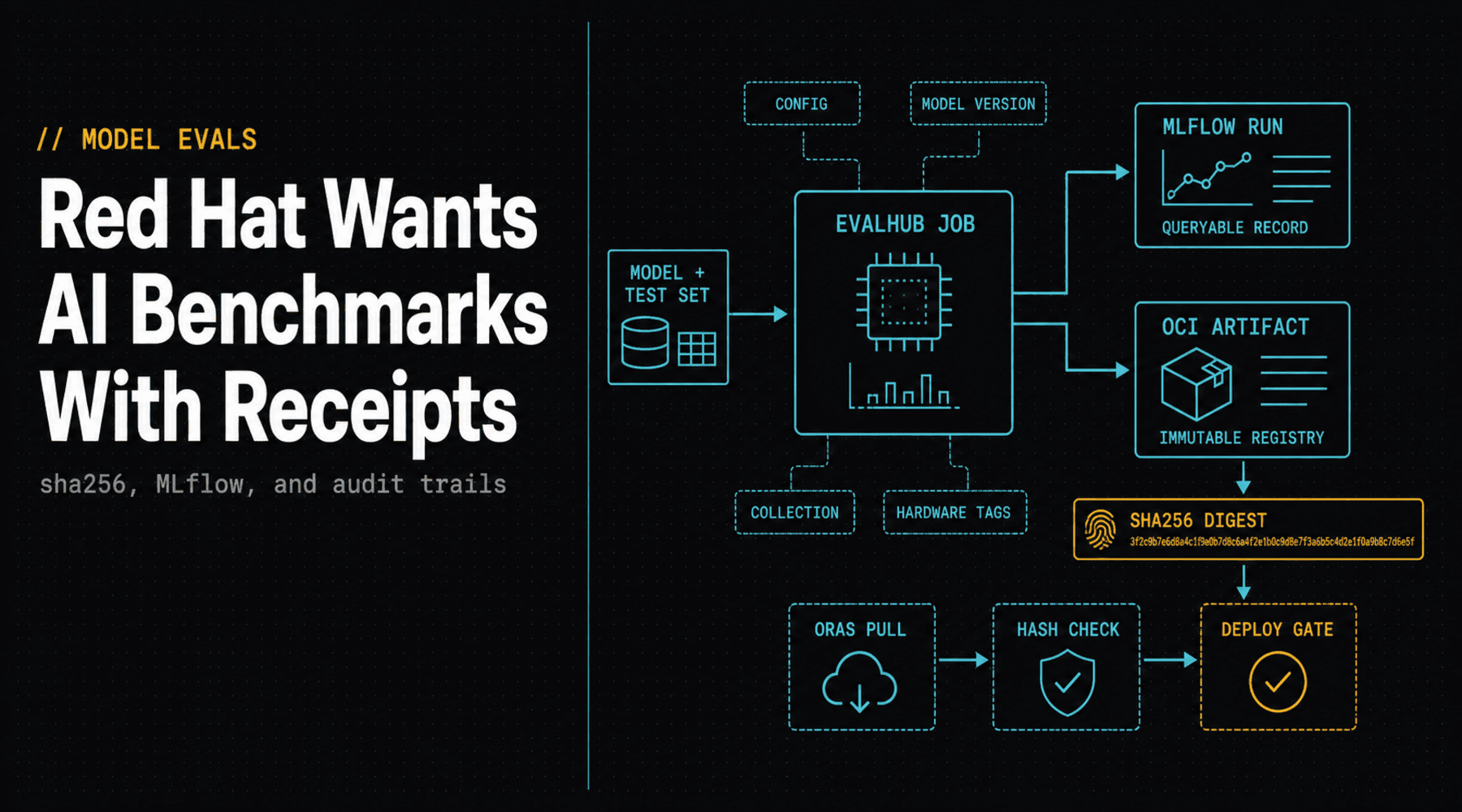
Red Hat's EvalHub is pushing AI evaluation results into OCI registries so benchmark claims come with digests, metadata, and something auditors can actually pull later.
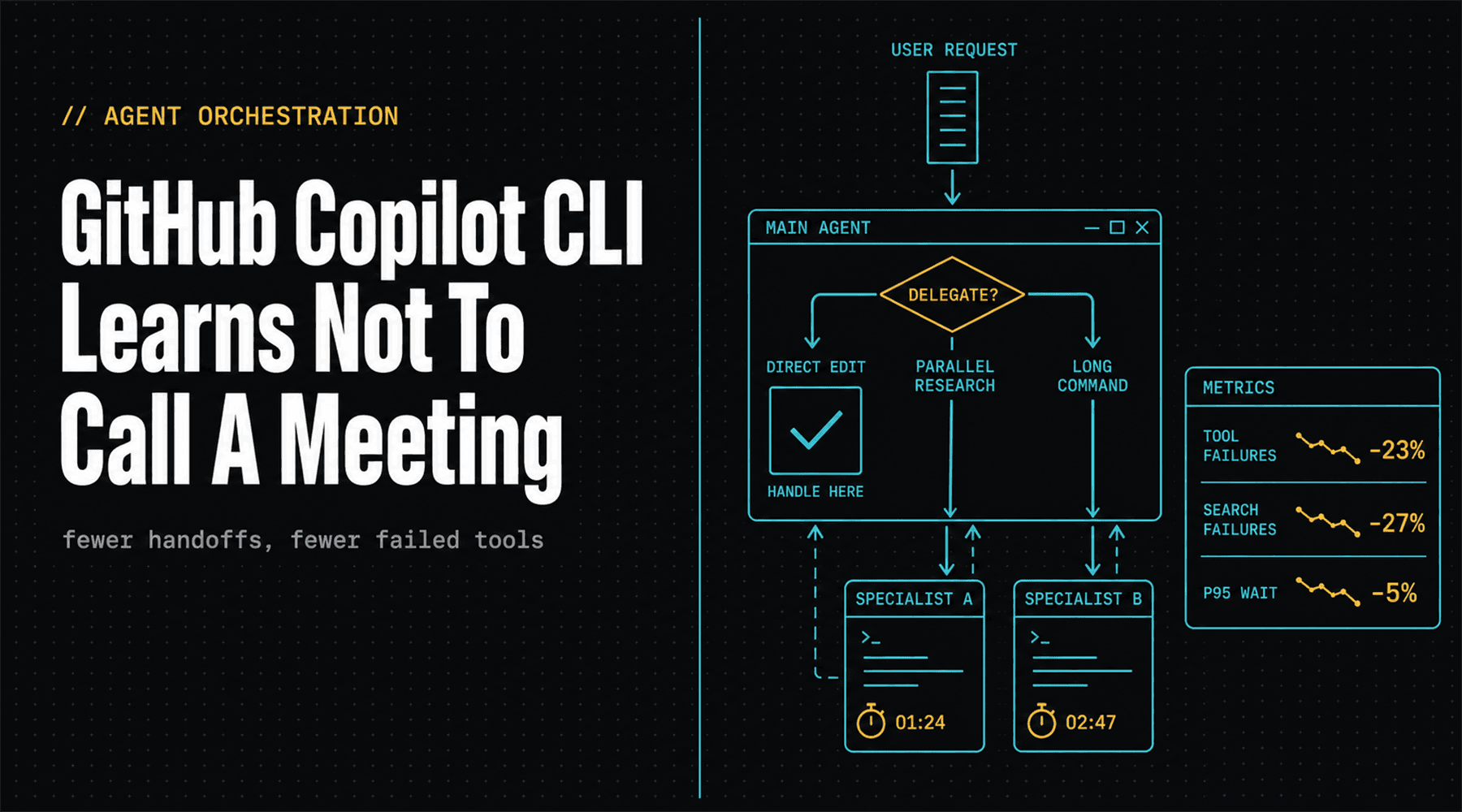
GitHub's new Copilot CLI delegation policy makes the agent less eager to summon helper agents, which sounds small until you remember how many bugs are just meetings with file paths.
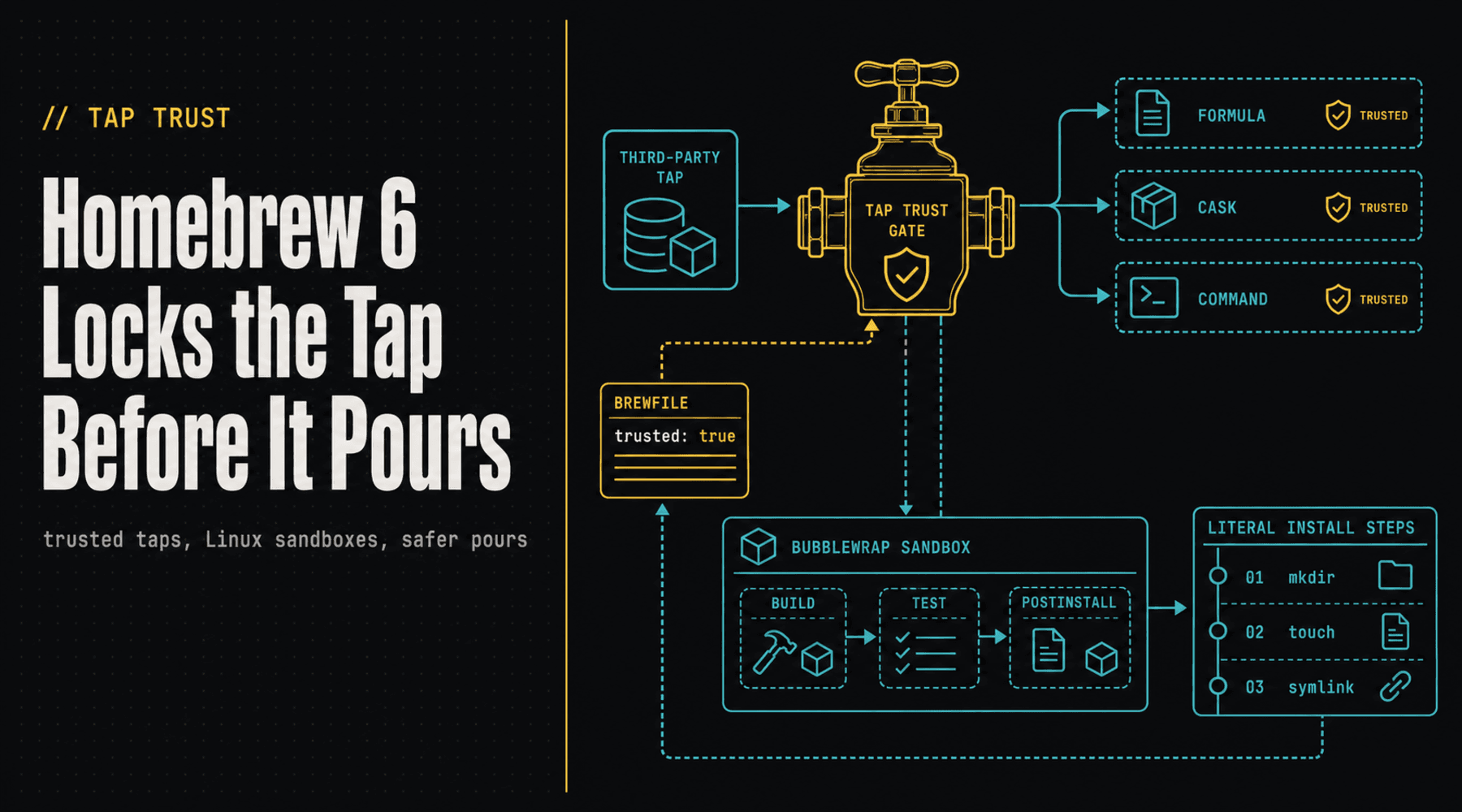
Homebrew 6.0 turns third-party taps into explicit trust decisions, adds Linux sandboxing, and quietly makes the developer laptop feel less like an unattended loading dock.