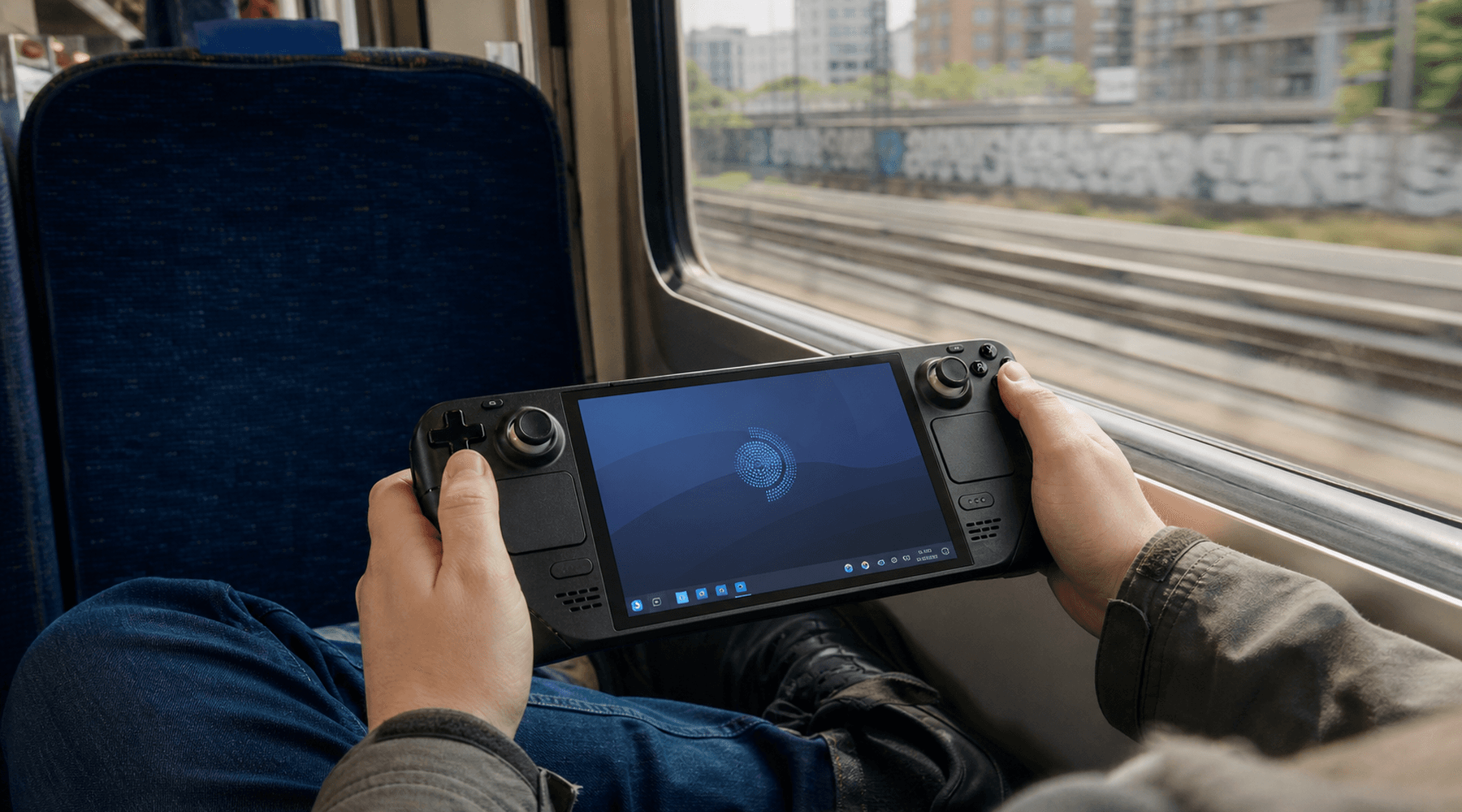
SteamOS 3.9 Rebuilds The Deck's Foundation
Valve's first SteamOS 3.9 preview refreshes the handheld's Linux, Plasma, Wi-Fi, hibernation, and virtual-machine foundations.
// Archive
Pieces filed under Linux.
Browse
Valve's first SteamOS 3.9 preview refreshes the handheld's Linux, Plasma, Wi-Fi, hibernation, and virtual-machine foundations.
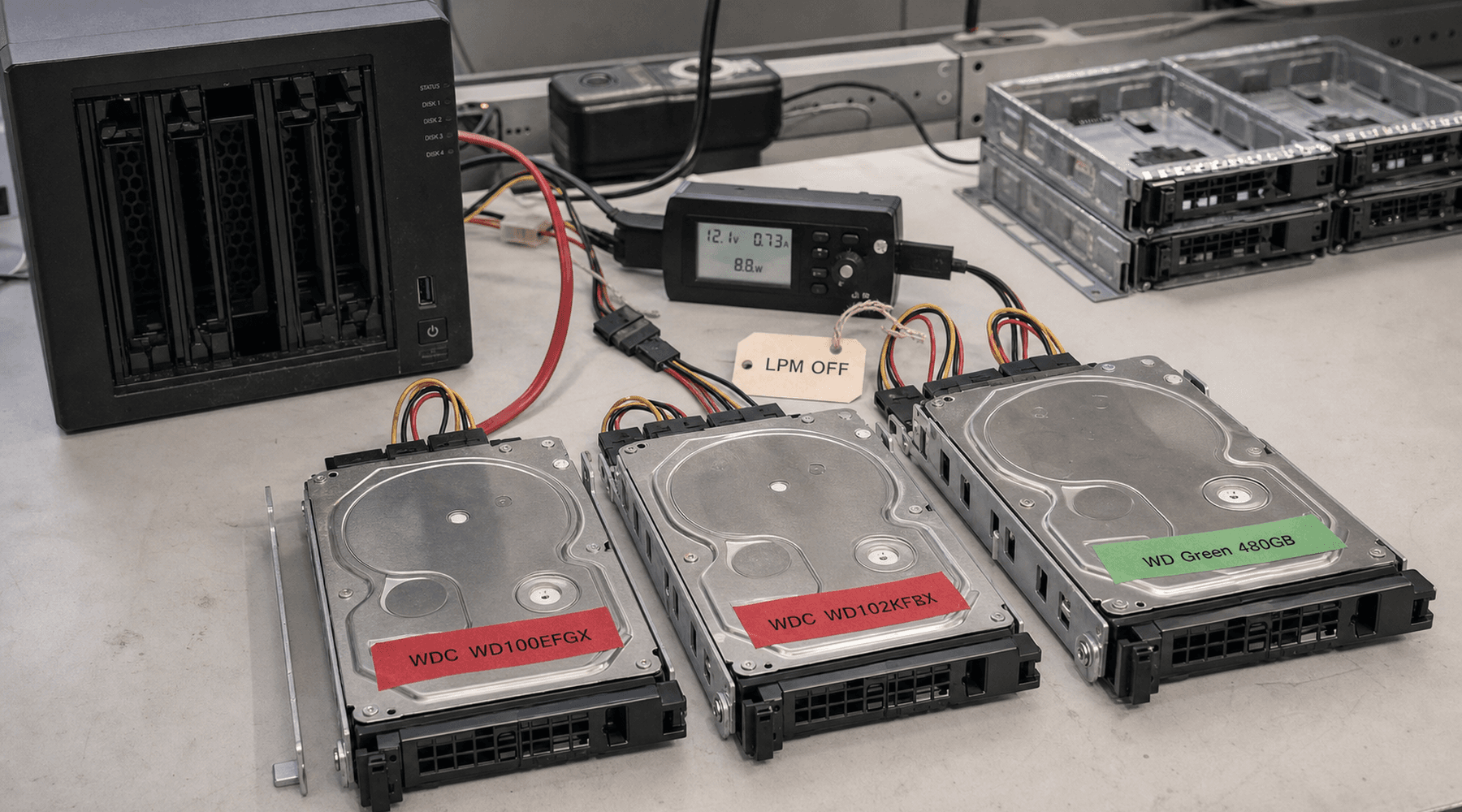
Linux 7.2-rc6 is set to disable SATA link power management for several Western Digital drives that can disappear after boot.
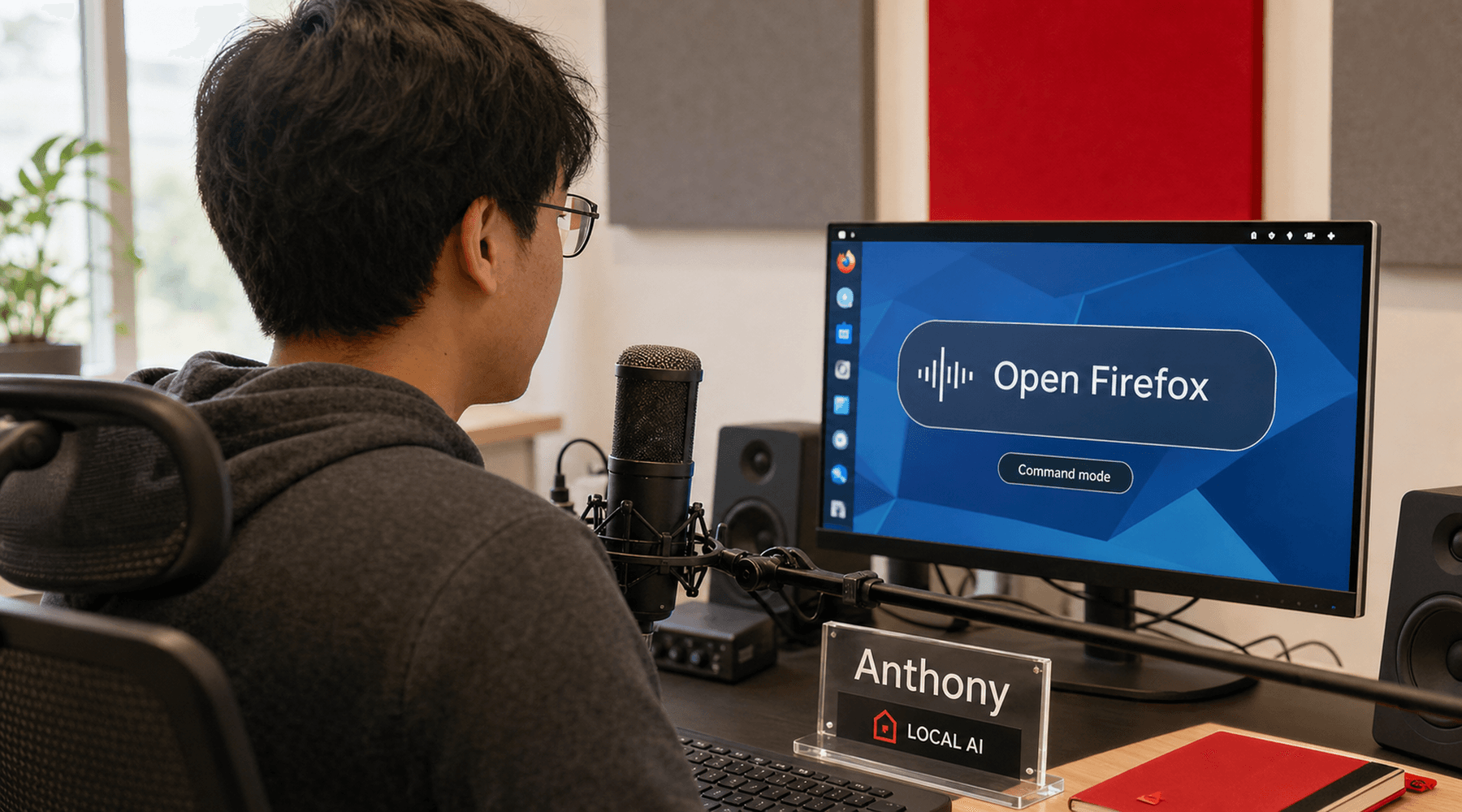
Red Hat Developer highlighted Anthony, a local AI voice-control layer that turns GNOME desktop actions into spoken commands.
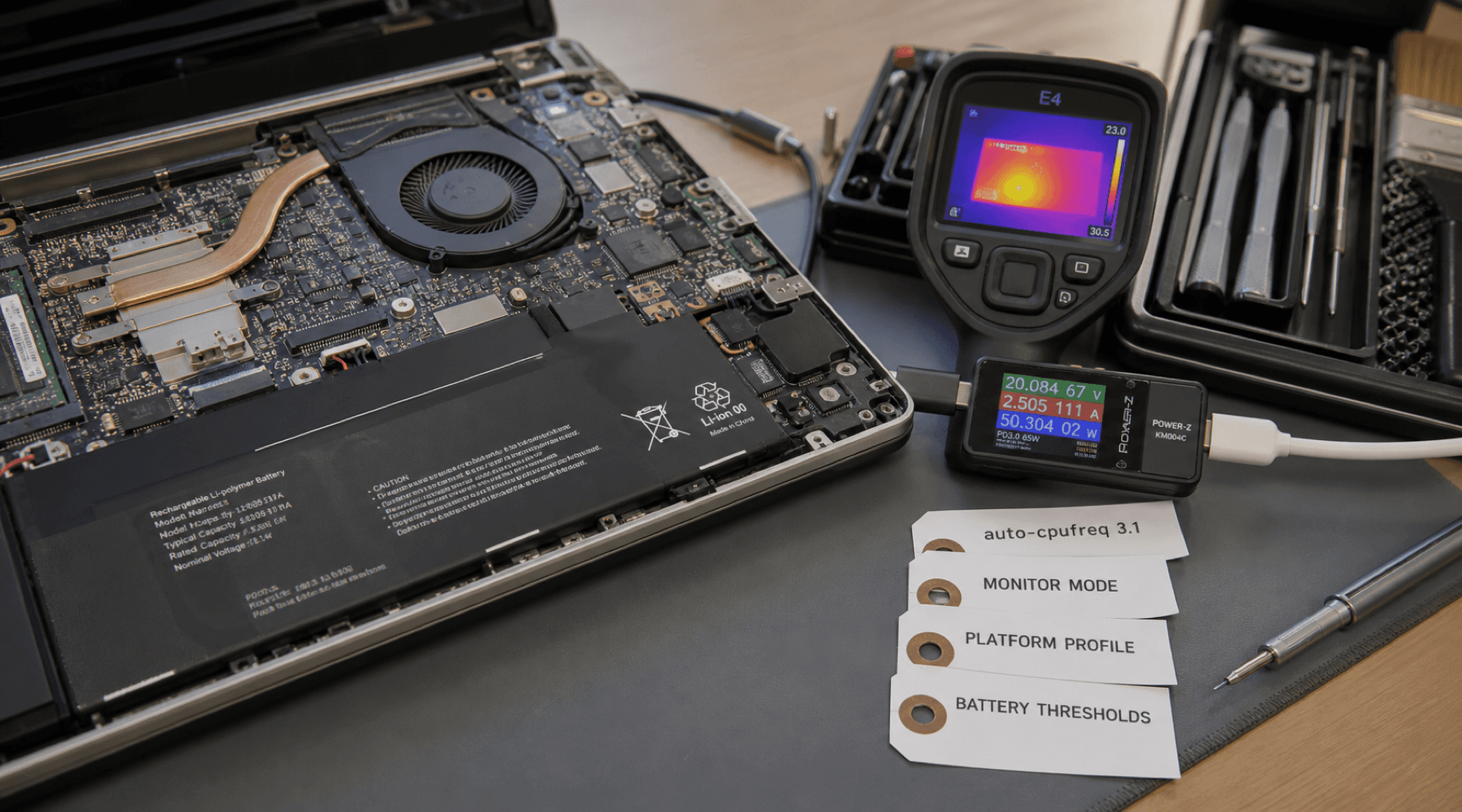
Auto-CPUFreq 3.1 adds GUI monitoring and tighter laptop power controls, turning Linux power tuning into something operators can inspect.
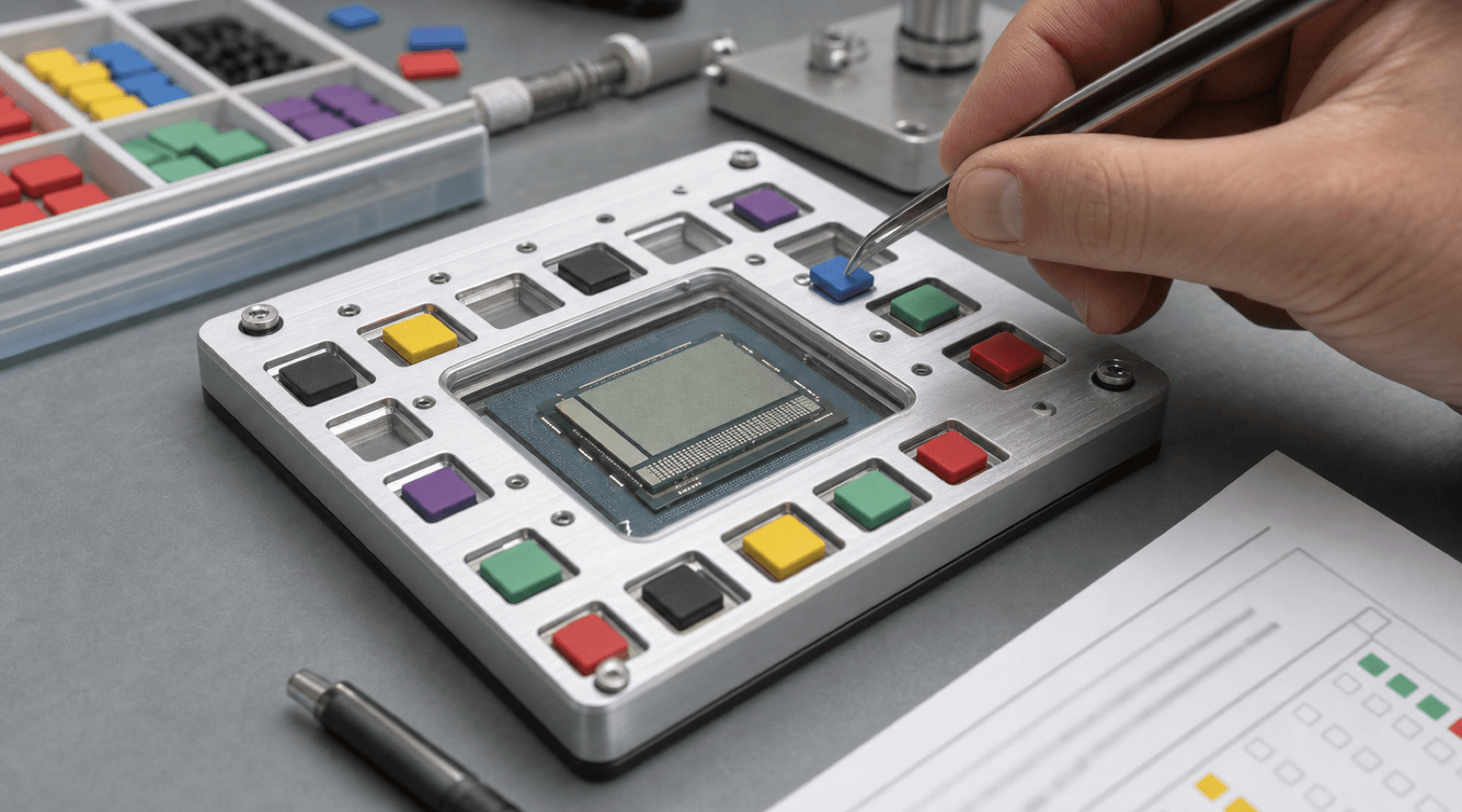
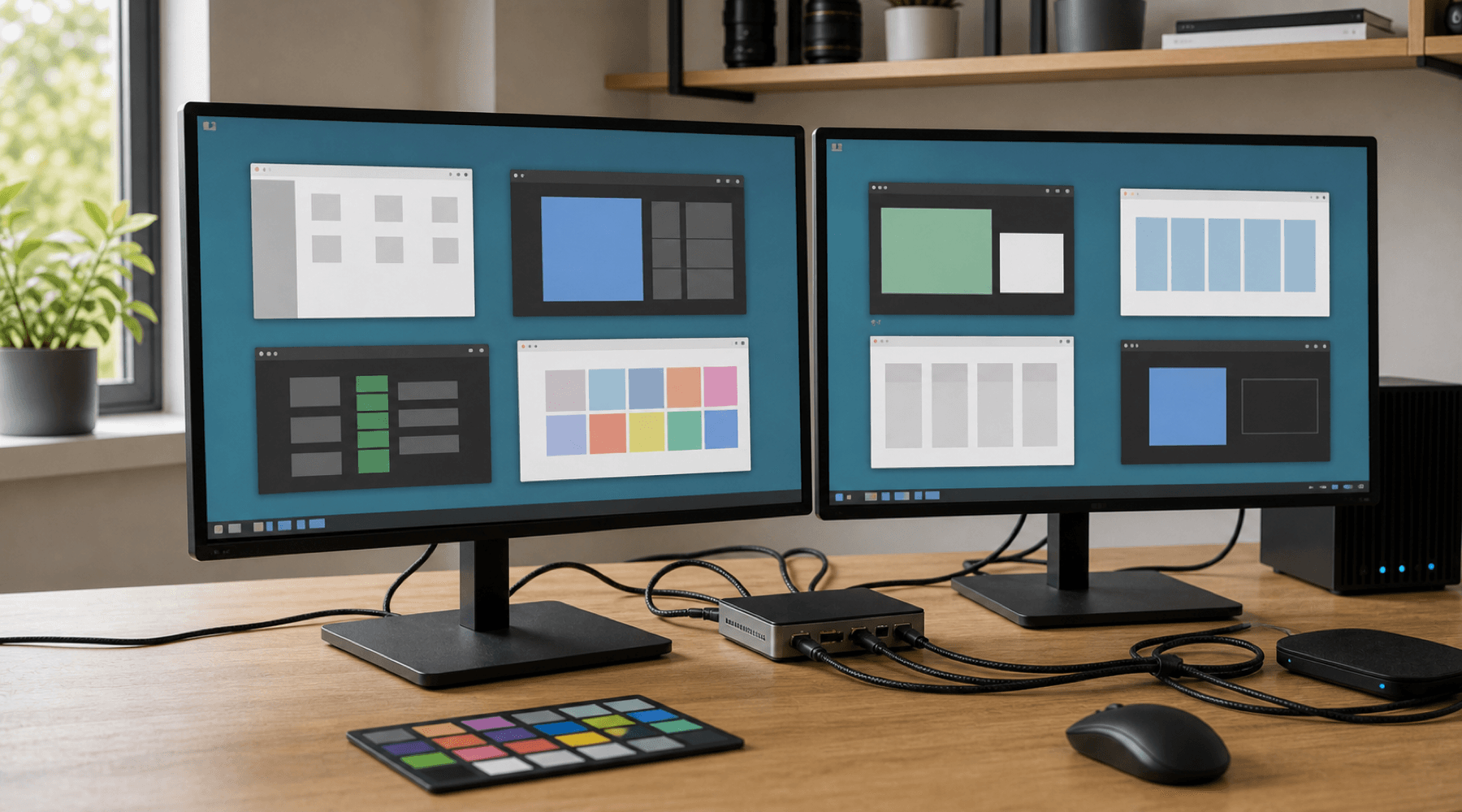
KDE Plasma 6.8 is adding CPU affinity controls to System Monitor, turning a normally terminal-heavy scheduler override into something desktop users can inspect and apply directly.
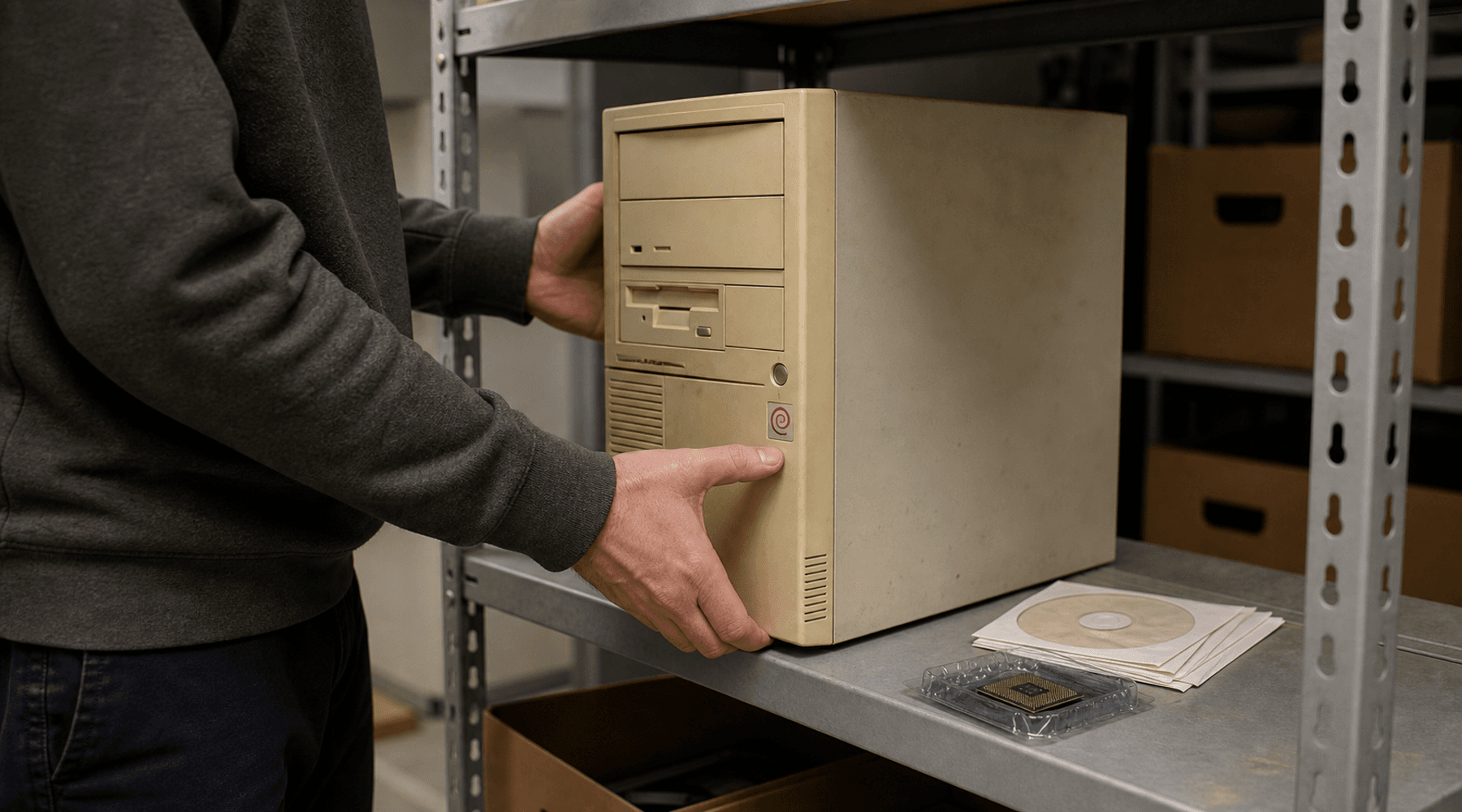
Debian 12.15 closes the normal Bookworm support window while Debian 13 documents reduced i386 support, turning x86-32 from a regular install target into a legacy compatibility lane.
A Thomas Gleixner patch series slated for Linux 7.3 tightens the kernel's syscall entry path, making stack randomization more consistent and the x86 syscall logic easier to follow.
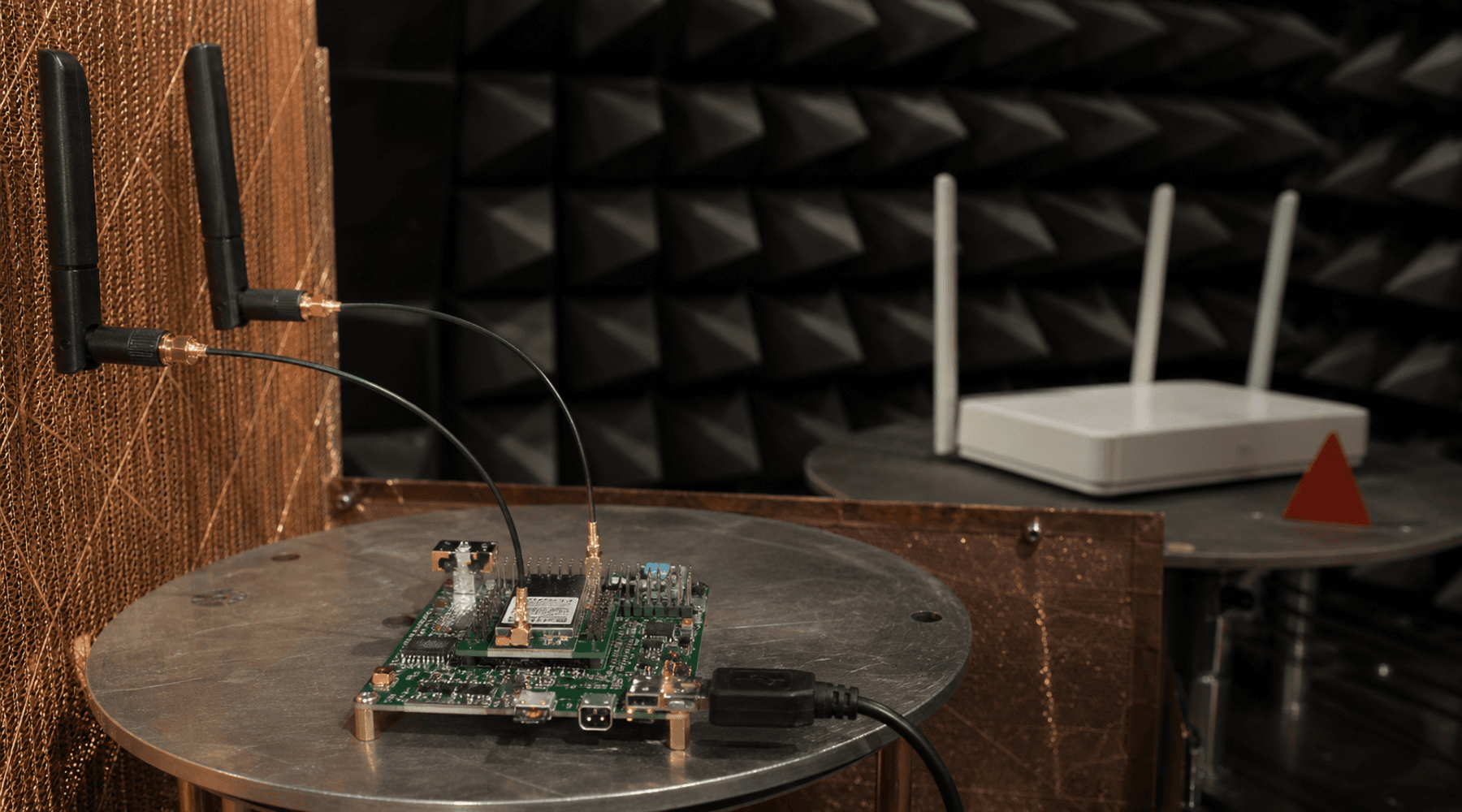
Linux staging fixes are tightening the Realtek RTL8723BS Wi-Fi driver against malformed over-the-air data from malicious access points, closing several out-of-bounds paths in old driver code.
Linux Mint's Cinnamon desktop is moving Wayland out of the experimental lane while keeping X11 fully supported. The interesting part is not protocol ideology. It is desktop compatibility work.
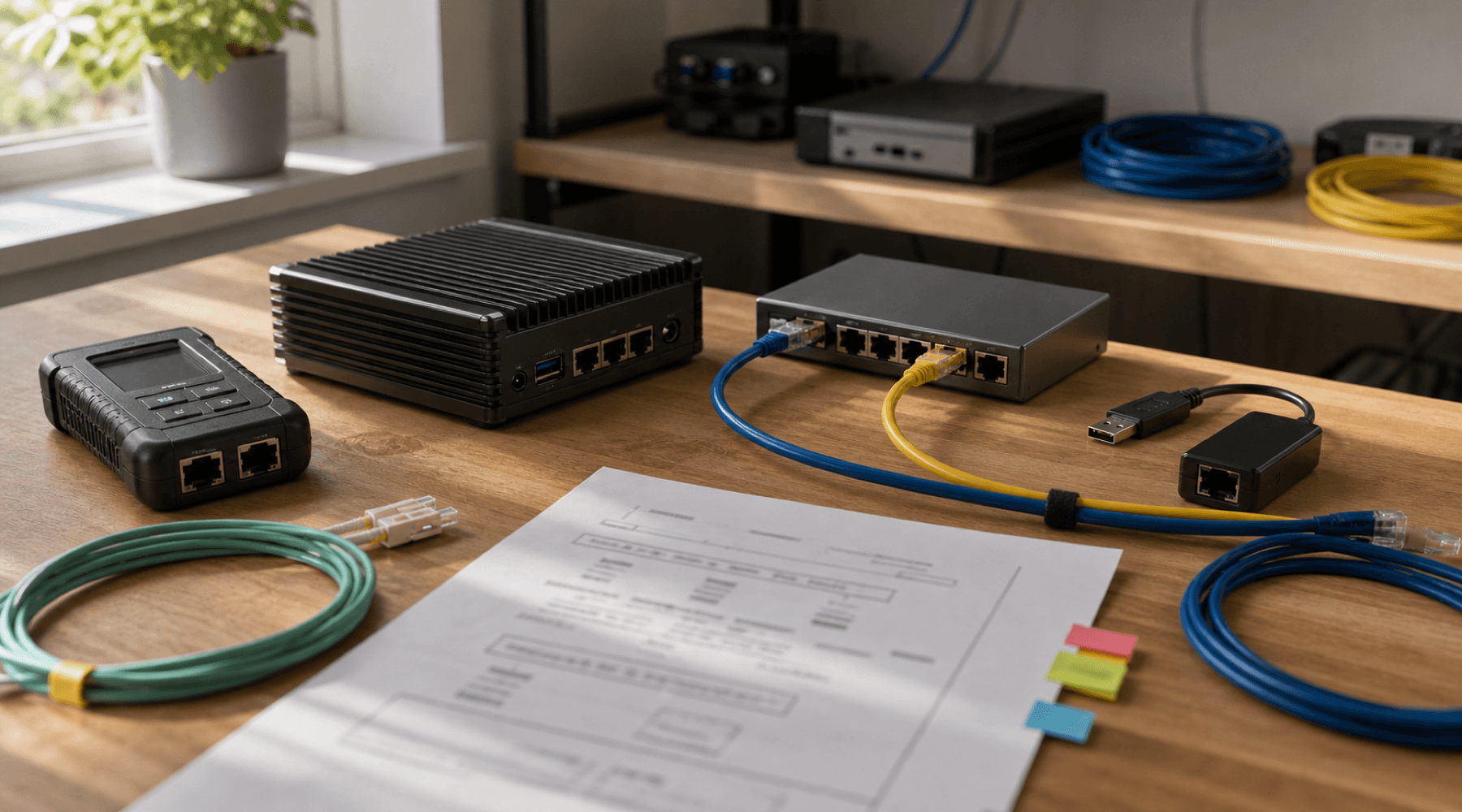
Red Hat's NetworkManager 1.58 work turns IPv6-mostly networking into something Linux clients can actually operate: DHCPv4 Option 108, CLAT, NAT64, and eBPF packet translation instead of endless dual stack.
OpenSSH 10.4 is not a flashy remote-access release. It is the kind operators should notice anyway: stricter sandbox failure behavior, tighter rekey handling, SFTP and SCP security fixes, and a cautious post-quantum signature experiment.
Canonical's latest Ubuntu-on-ARM update is less about one flashy device and more about architecture parity: main archive delivery, Livepatch, Secure Boot laptop work, FEX-backed gaming, and a shrinking desktop software gap.
A new Linux MD RAID5 patch series is a useful reminder that storage performance is not only about disks. Once an array has enough drives and enough cores, the shared bookkeeping around stripes can become the workload.
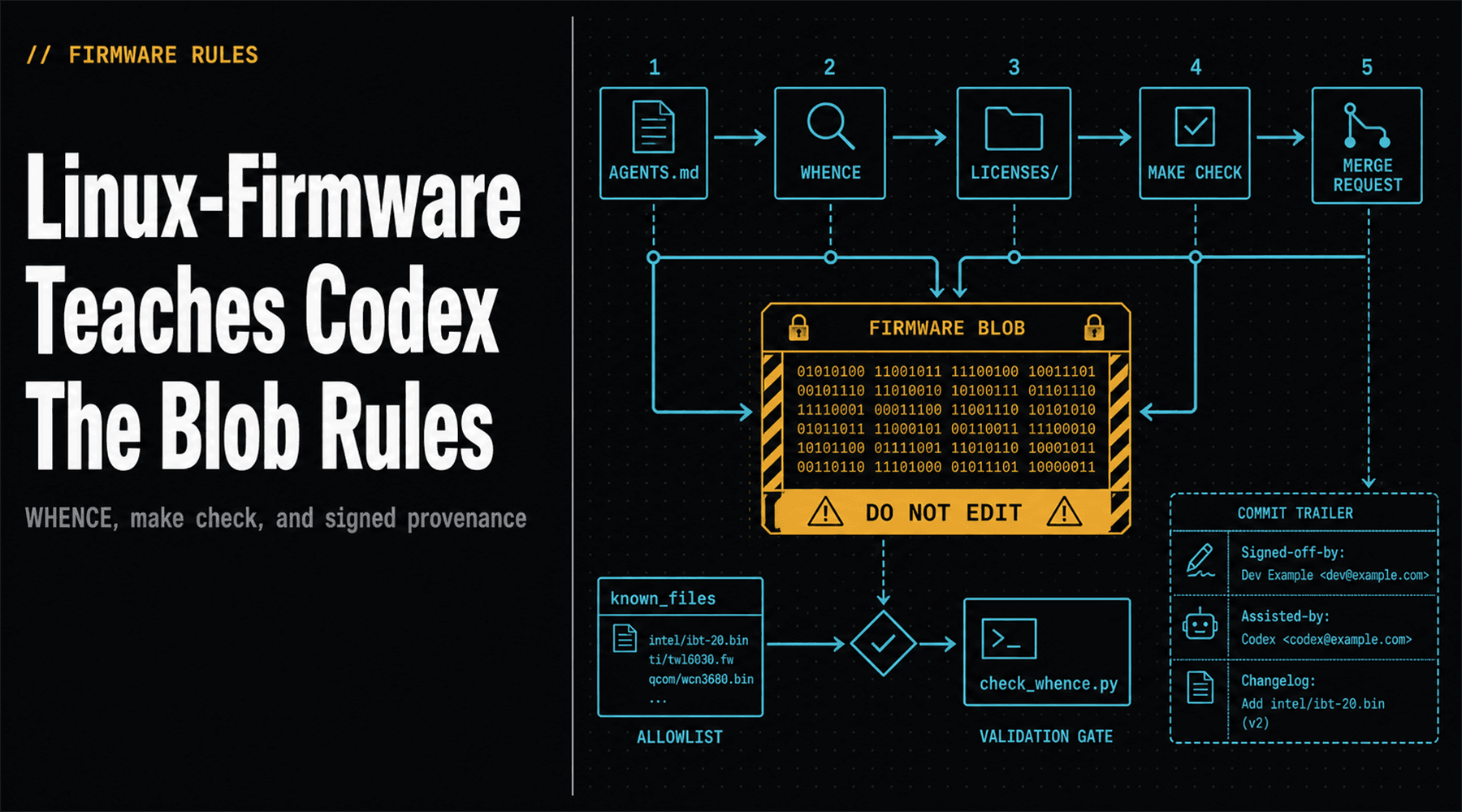
The linux-firmware repository just merged AGENTS.md guidance for Codex, Claude Code, and other coding agents, with a very Linux lesson: do not touch the blobs, do prove the provenance.
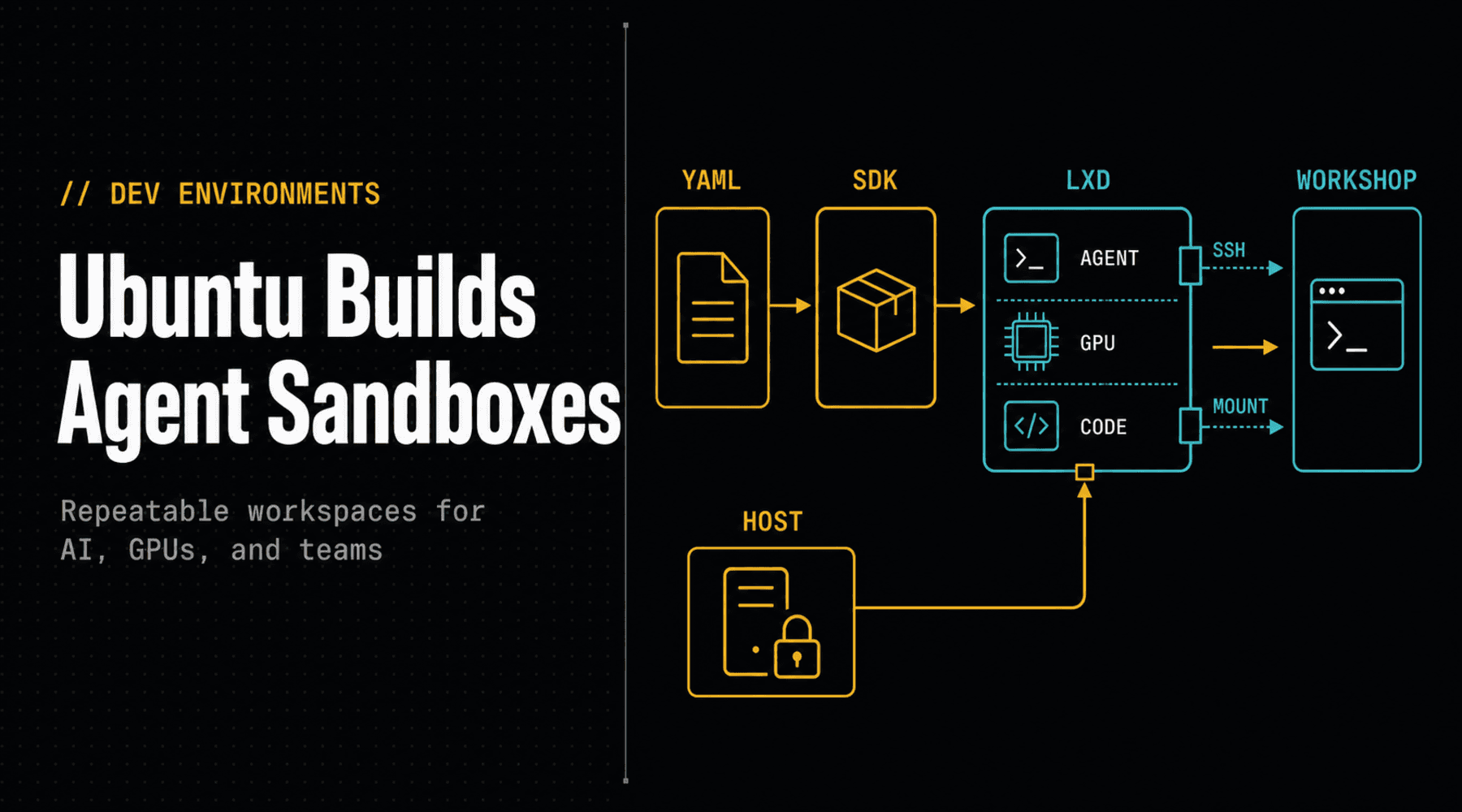
Canonical's new Workshop tool turns dev environments into repeatable YAML-defined sandboxes for AI agents, GPU stacks, robotics, and messy team workflows.
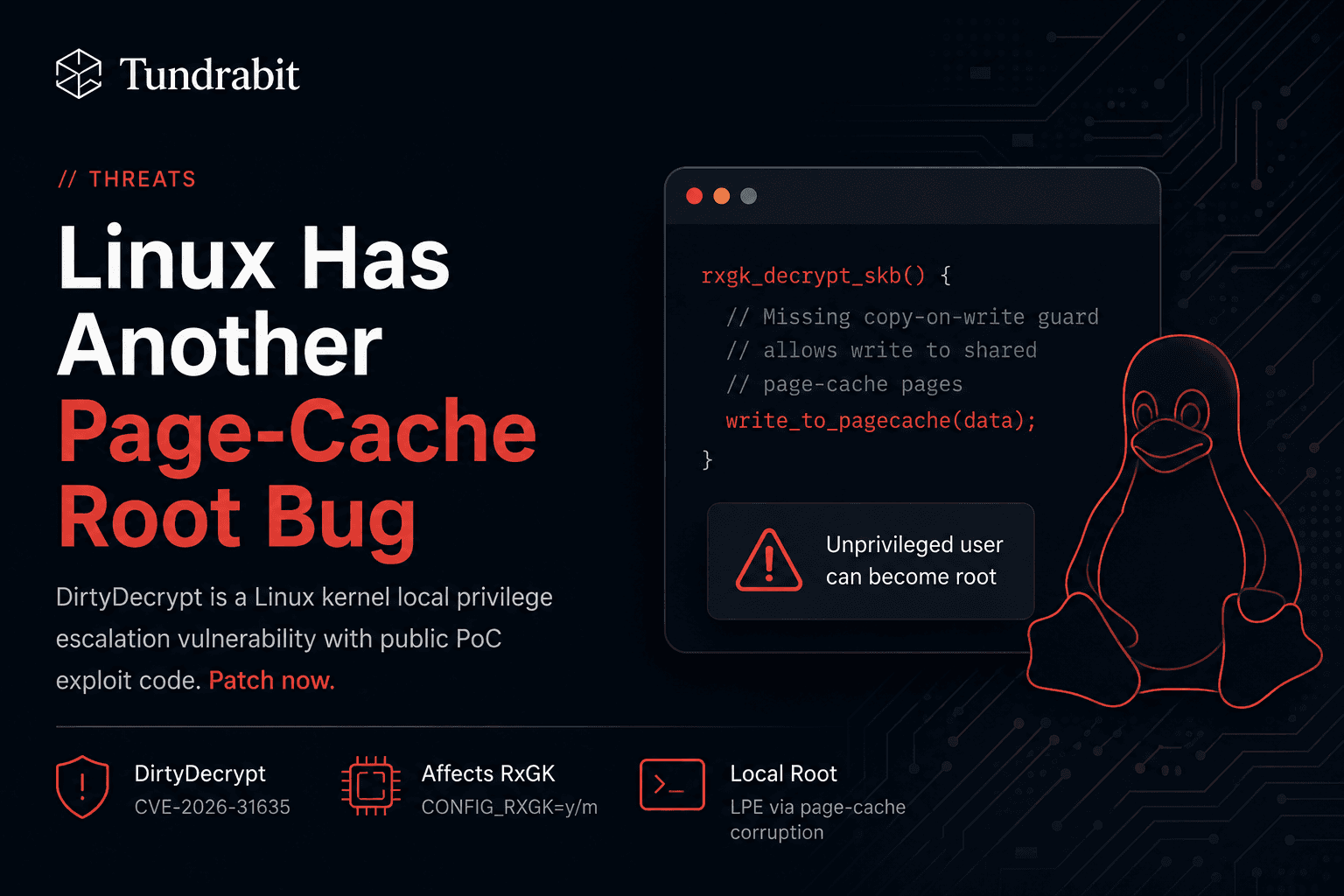
DirtyDecrypt is the latest Linux local privilege escalation tied to page-cache corruption, and public proof-of-concept code makes it a priority for rolling-release systems and exposed developer workstations.
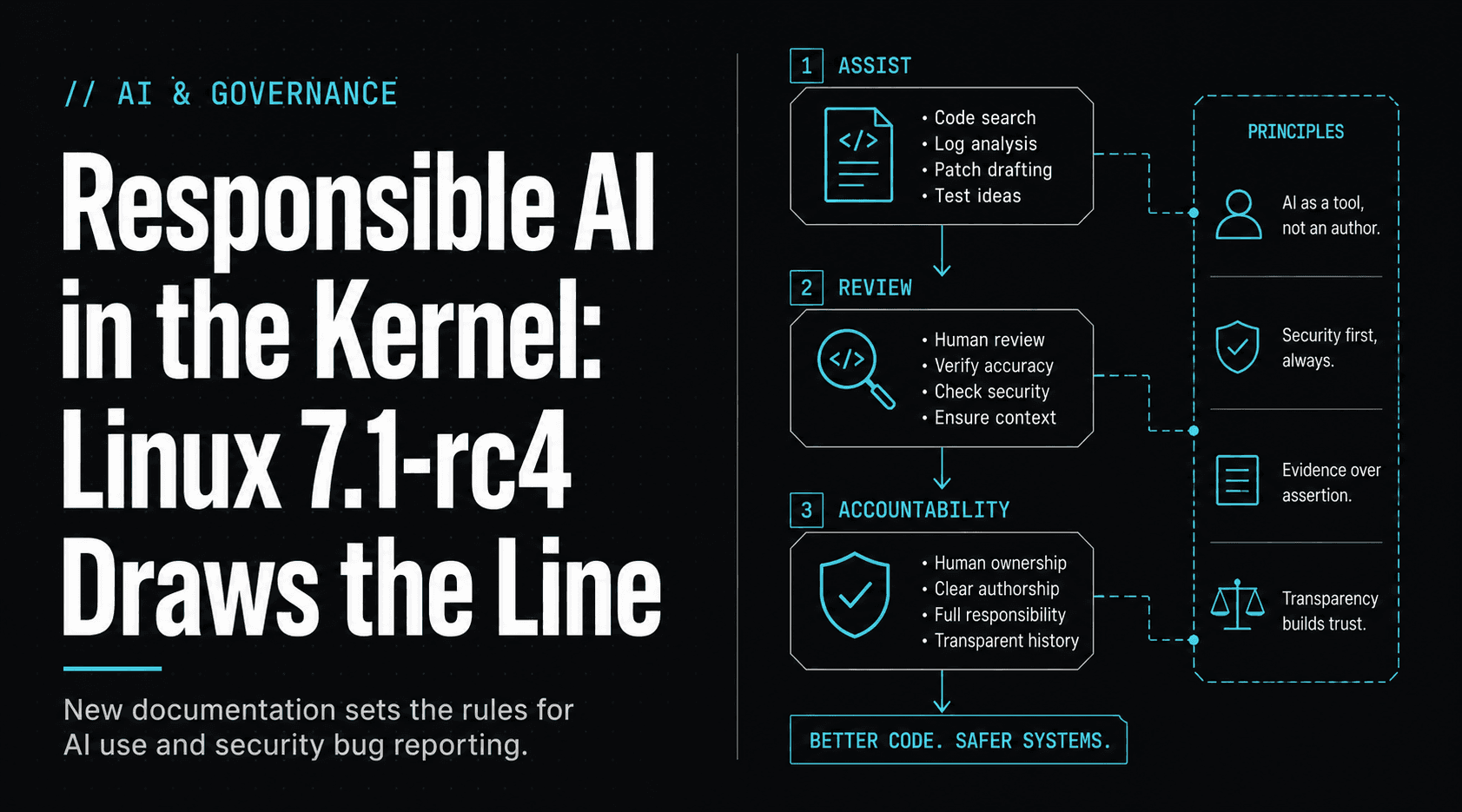
Linux 7.1-rc4 brings the usual pile of hardware fixes and security updates, but the more interesting shift is procedural: the kernel is documenting responsible AI use and what qualifies as a security bug.
ROCm 7.13 adds support for AMD’s Instinct MI350P and more Ryzen AI chips, pointing toward a bigger shift: AI acceleration is becoming a full-stack software problem, not just a GPU spec sheet.
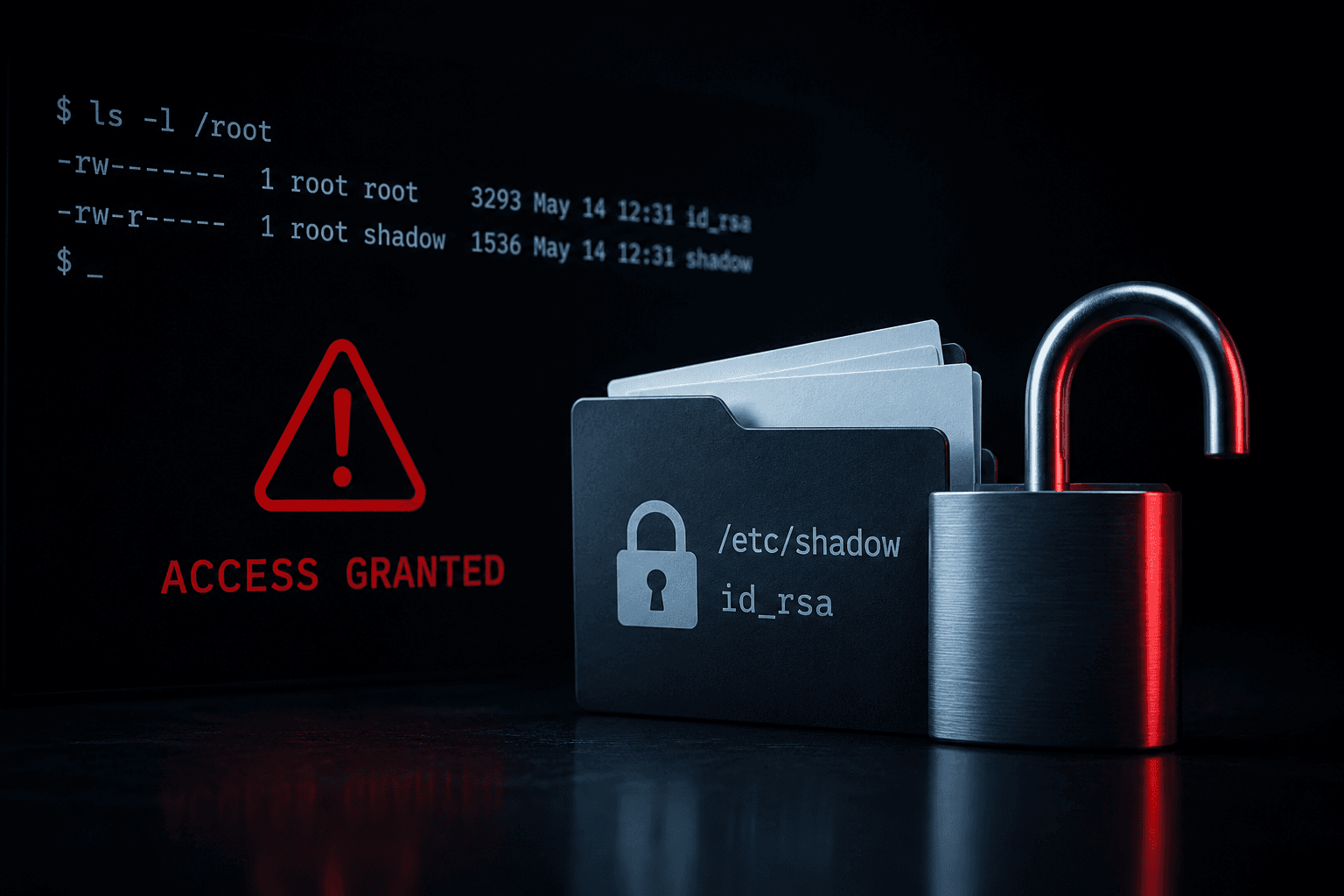
ssh-keysign-pwn is a Linux kernel flaw that lets unprivileged local users read root-owned files on affected systems, including SSH host keys and shadow password data.