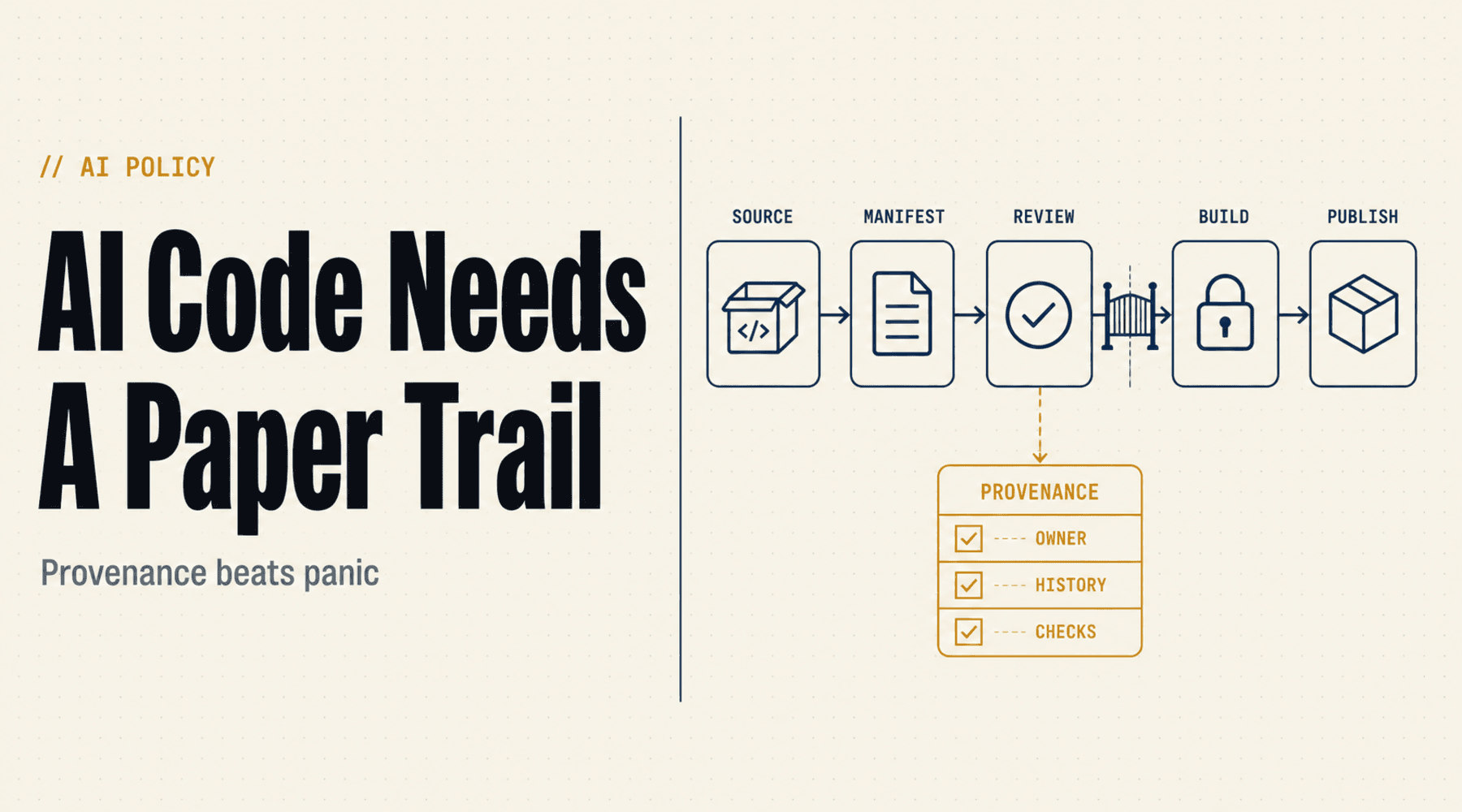
AI Code Needs A Paper Trail
Flathub's strict new generative AI policy is a warning to every software distribution platform: AI-written code is manageable only when humans can prove ownership, review, and build history.
// Archive
Pieces filed under Open Source.
Browse
Flathub's strict new generative AI policy is a warning to every software distribution platform: AI-written code is manageable only when humans can prove ownership, review, and build history.
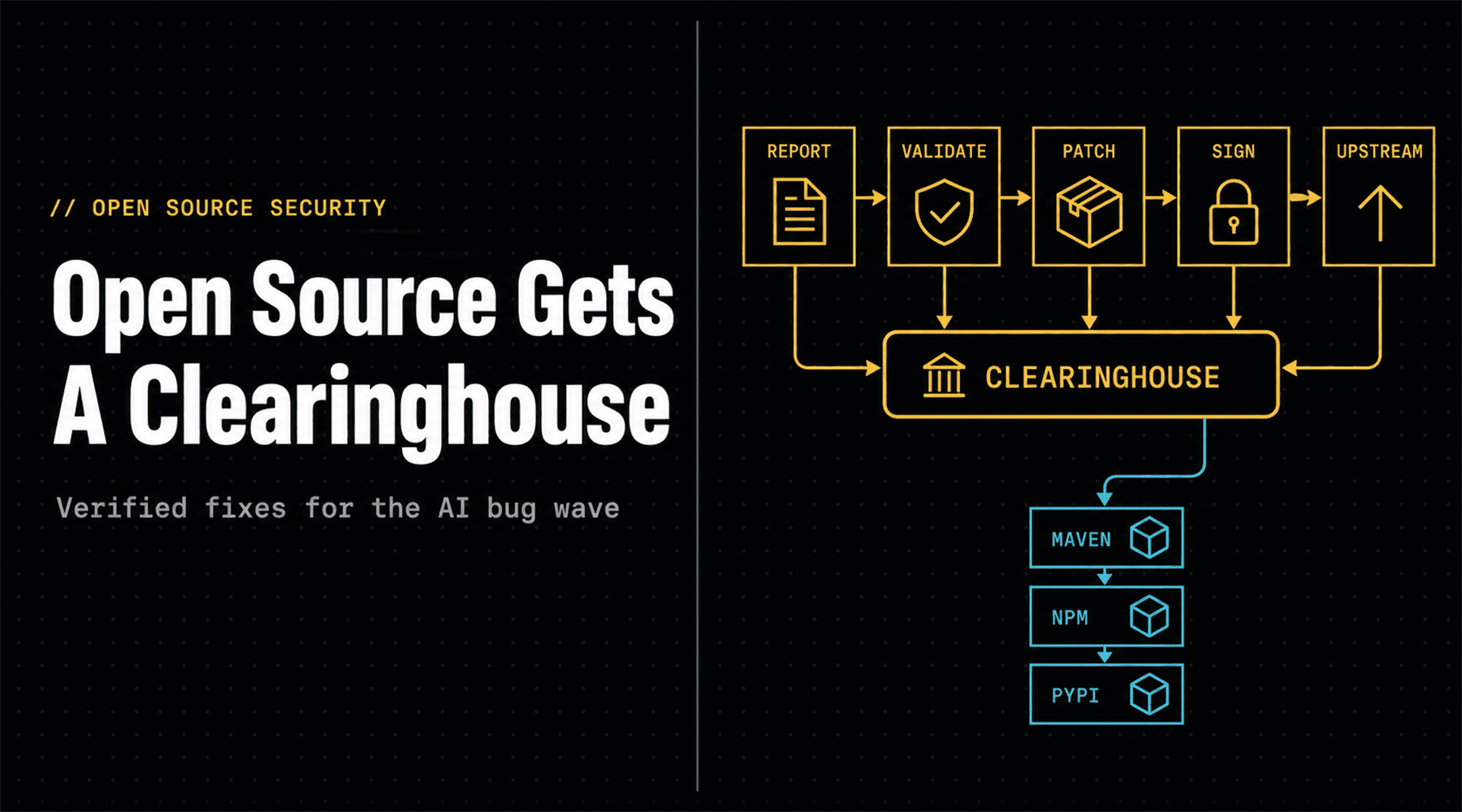
IBM and Red Hat's Project Lightwell points to a new phase of open source security: AI can find more bugs, but enterprises now need a coordinated system for verified fixes.
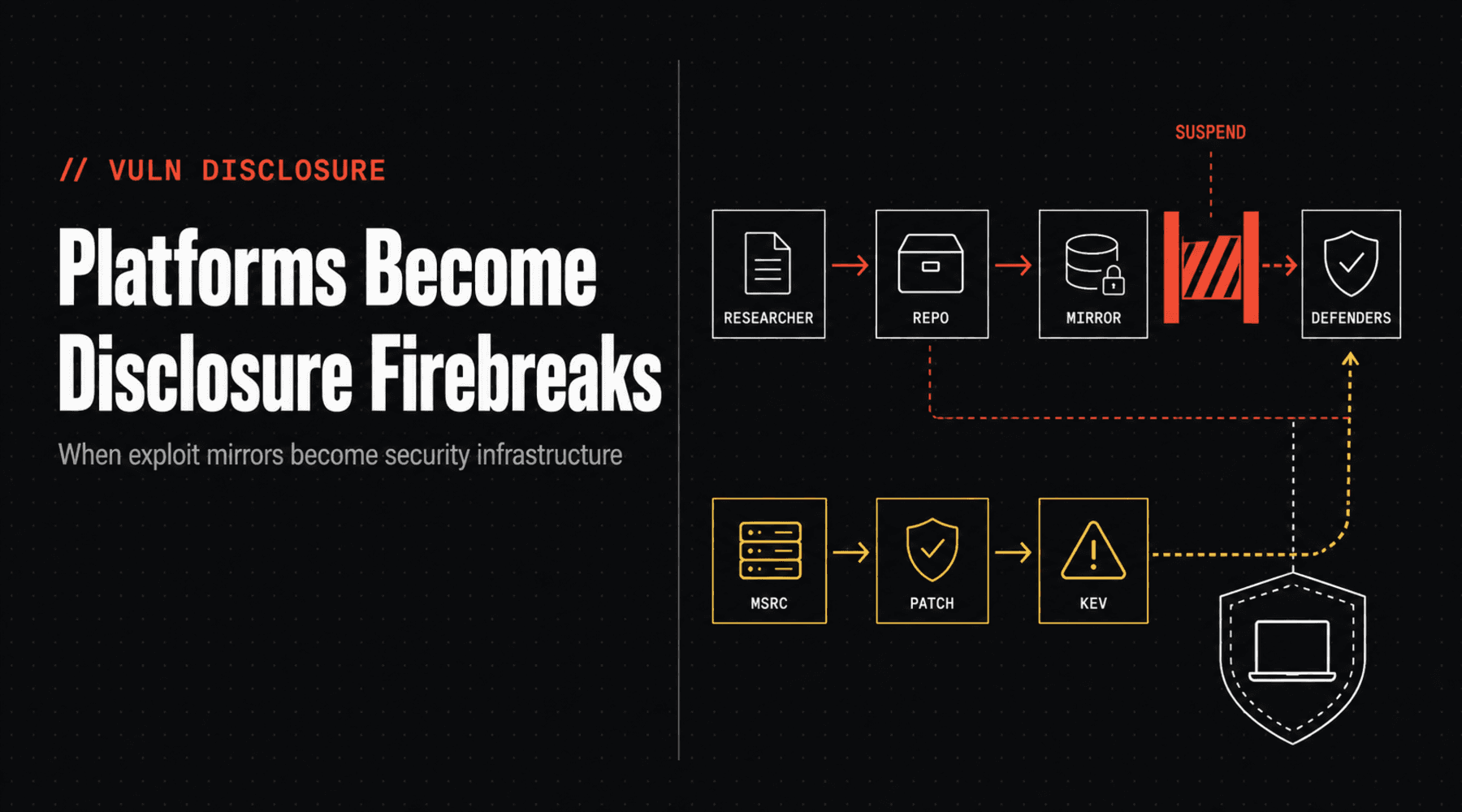
A reported suspension of Windows exploit mirrors shows how code-hosting platforms are becoming part of the vulnerability disclosure control plane.
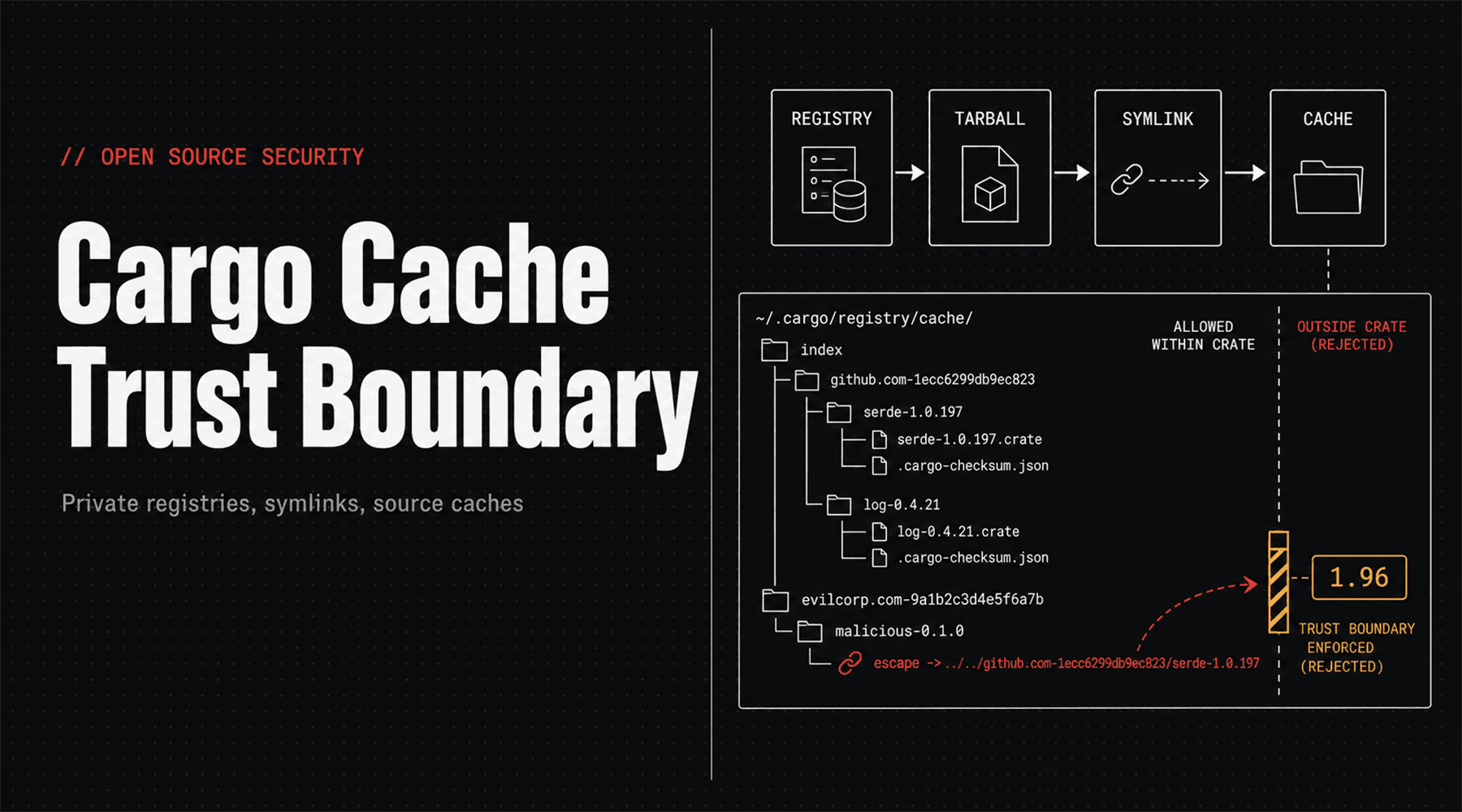
Rust's Cargo fix for CVE-2026-5223 is a reminder that package managers do not just download code. They define which parts of the build machine other people are allowed to touch.
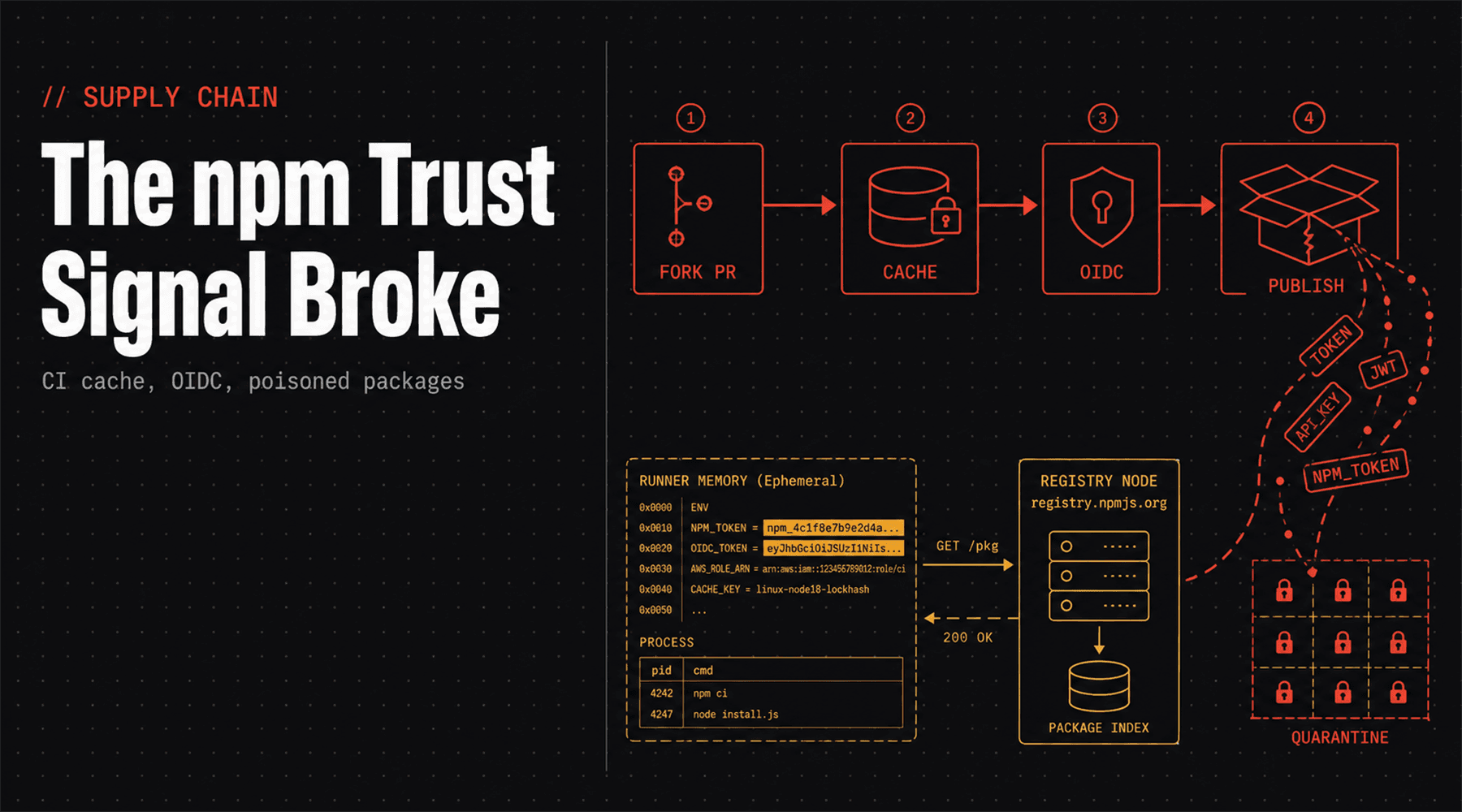
Mini Shai-Hulud turned trusted publishing, CI cache reuse, and developer credentials into one continuous attack path. The fix is not less automation. It is stricter boundaries around the automation we already rely on.
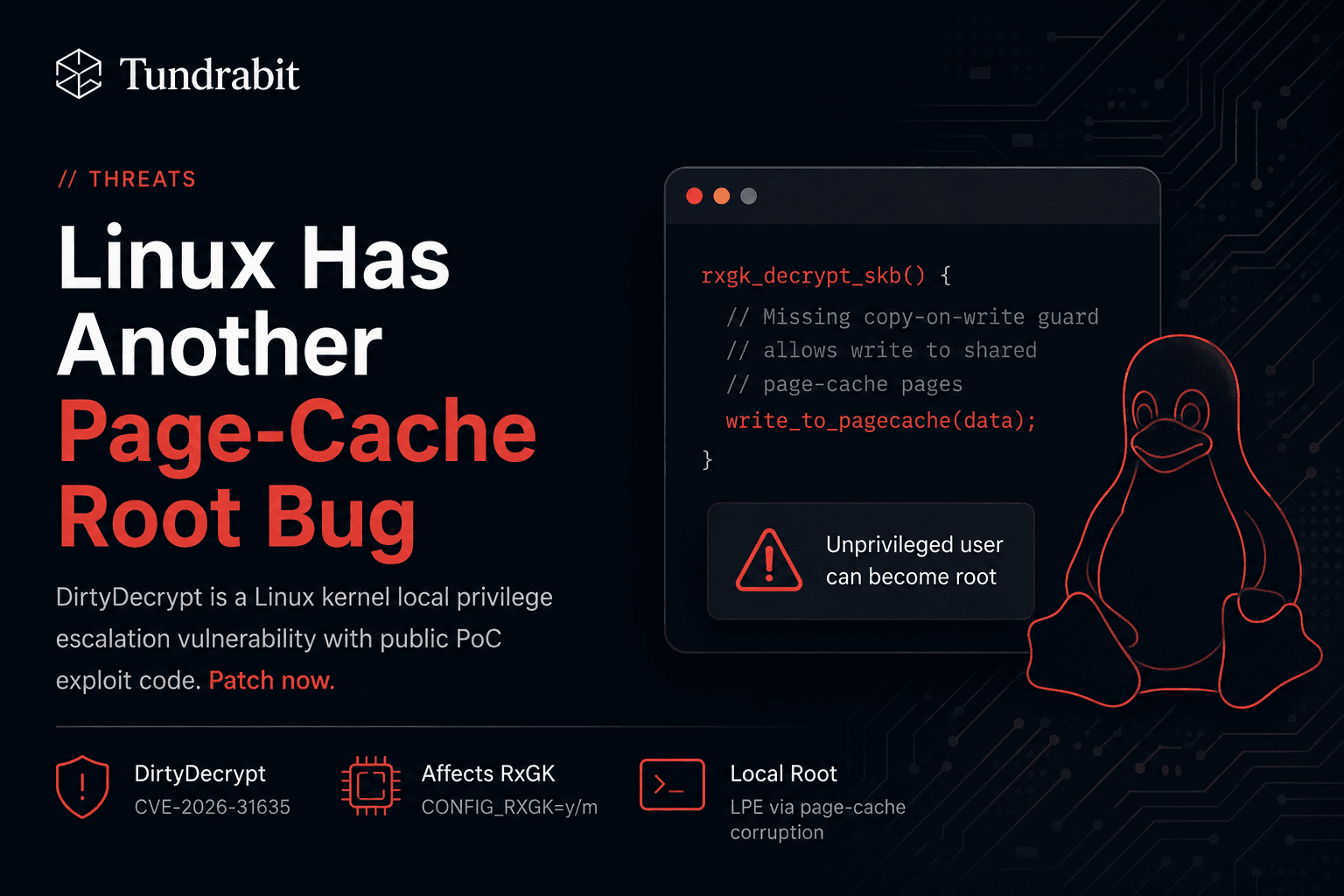
DirtyDecrypt is the latest Linux local privilege escalation tied to page-cache corruption, and public proof-of-concept code makes it a priority for rolling-release systems and exposed developer workstations.
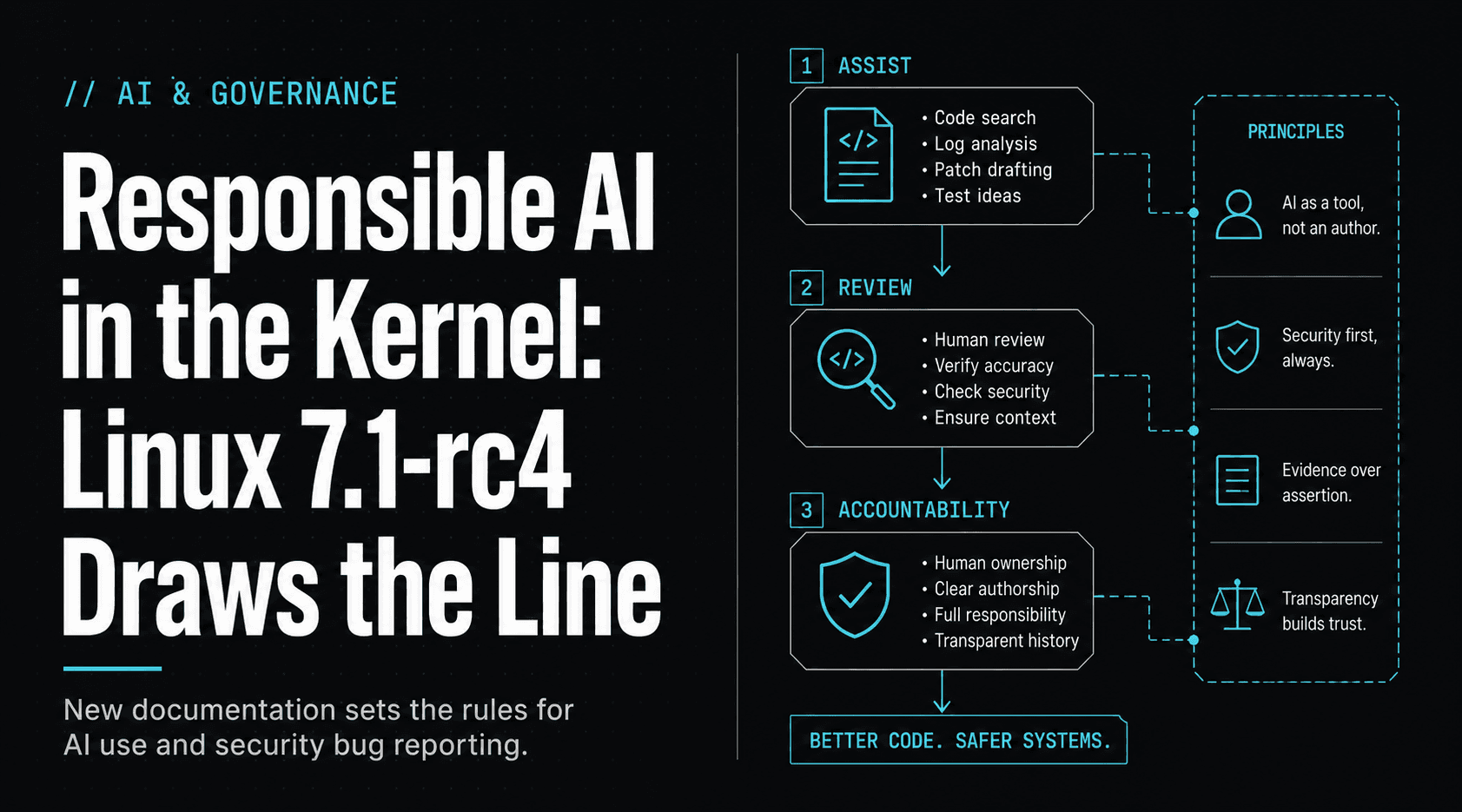
Linux 7.1-rc4 brings the usual pile of hardware fixes and security updates, but the more interesting shift is procedural: the kernel is documenting responsible AI use and what qualifies as a security bug.
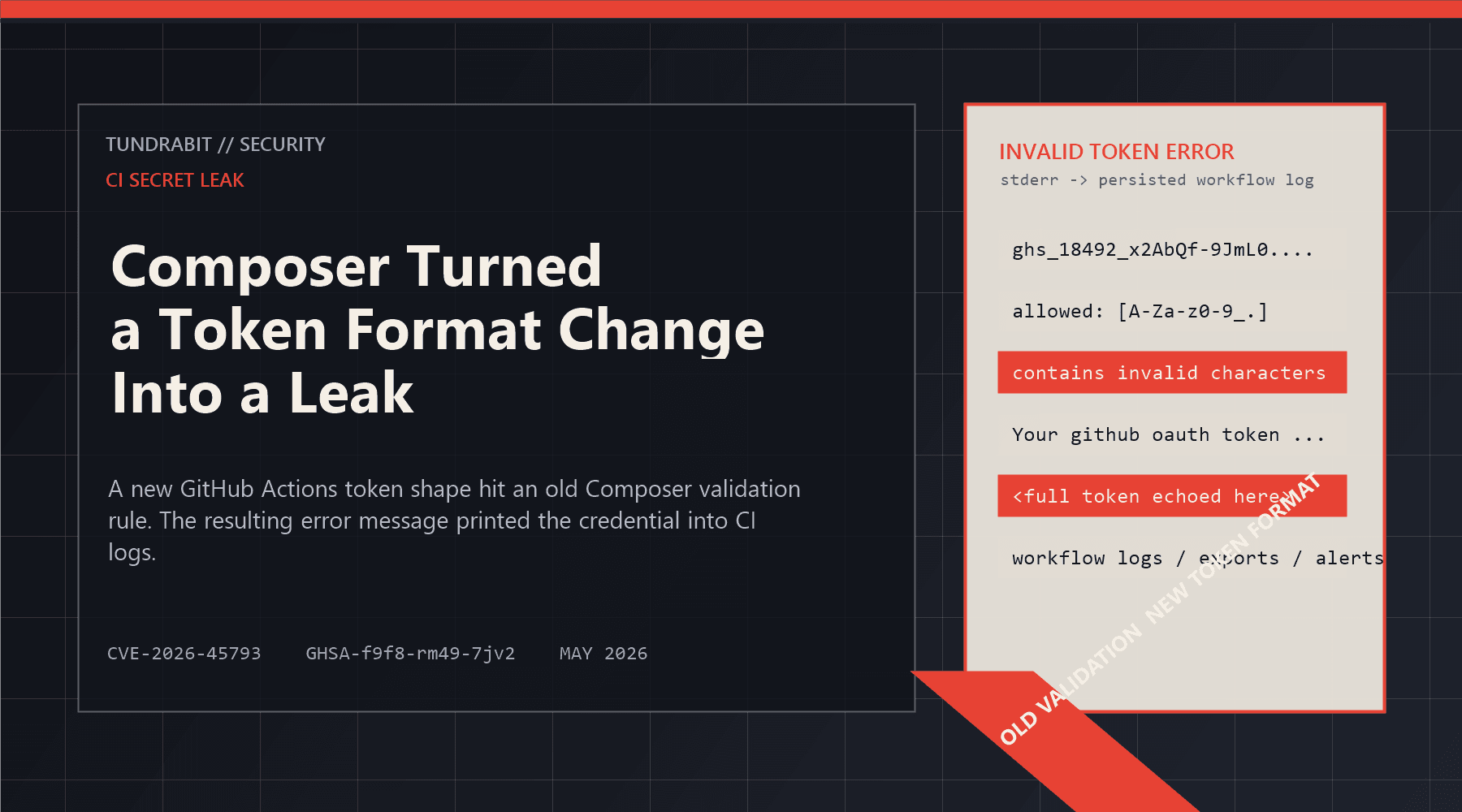
A small GitHub token format change exposed a brittle security assumption in Composer and turned ordinary GitHub Actions logs into a credential leak path for PHP teams.