A Real Monet Broke the Anti-AI Script
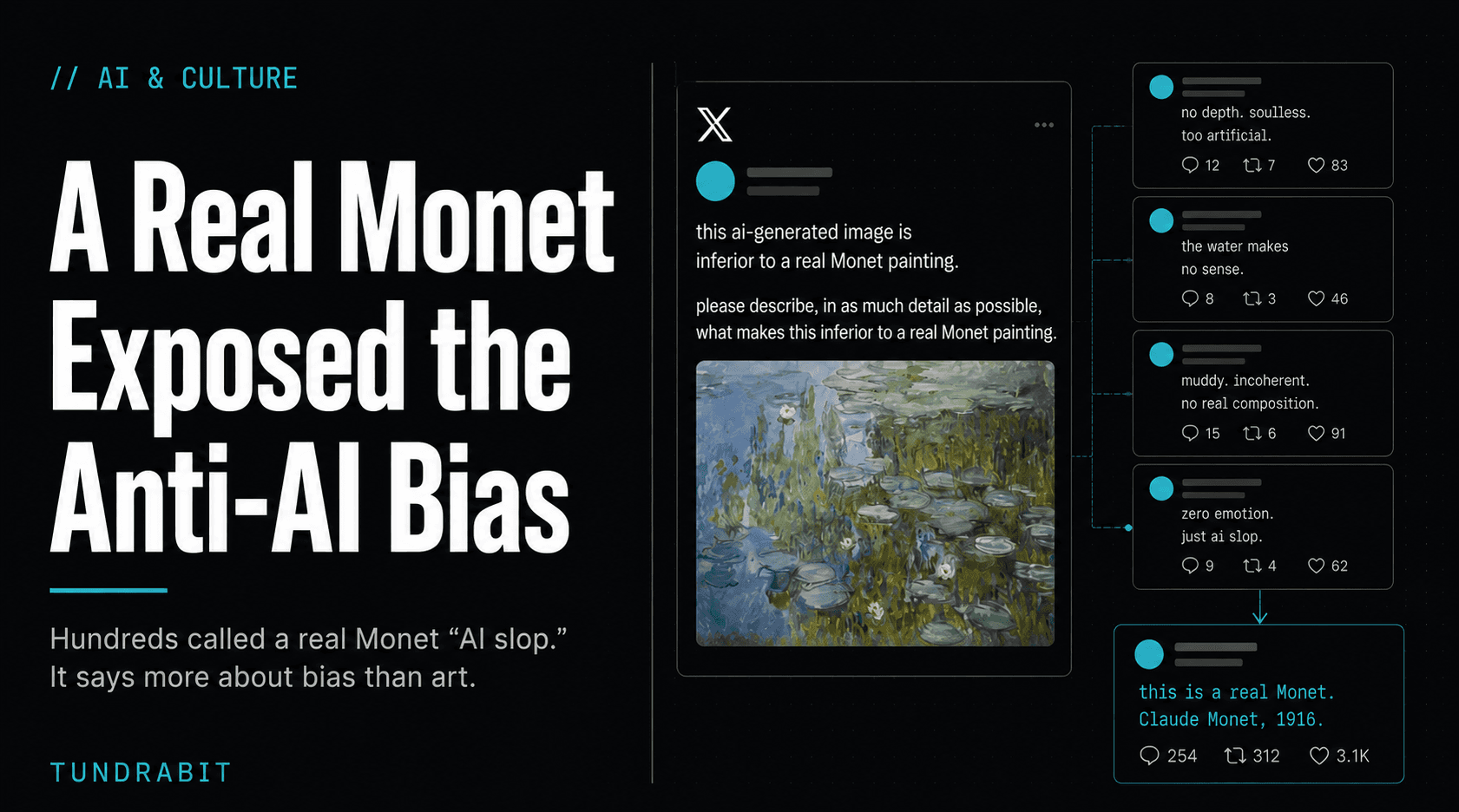
A real Monet was labeled as AI generated, and critics rushed to explain why it looked soulless, shallow, and inferior. The episode says more about cultural bias than image quality.
// Archive
Pieces filed under AI.
Browse
A real Monet was labeled as AI generated, and critics rushed to explain why it looked soulless, shallow, and inferior. The episode says more about cultural bias than image quality.
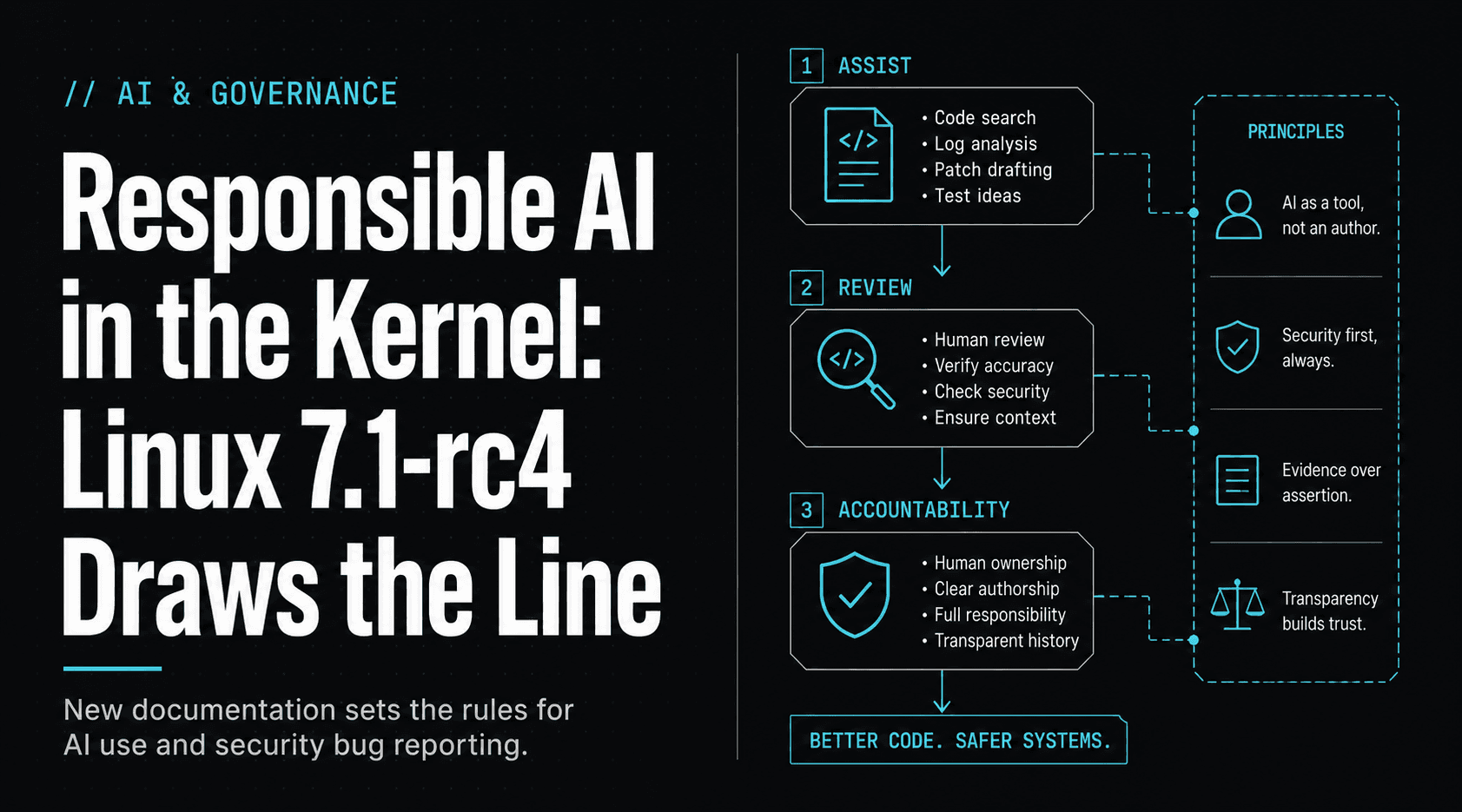
Linux 7.1-rc4 brings the usual pile of hardware fixes and security updates, but the more interesting shift is procedural: the kernel is documenting responsible AI use and what qualifies as a security bug.
OpenAI's new Windows sandbox work for Codex shows that useful coding agents cannot live on vague trust. They need operating-system boundaries that match real developer workflows.
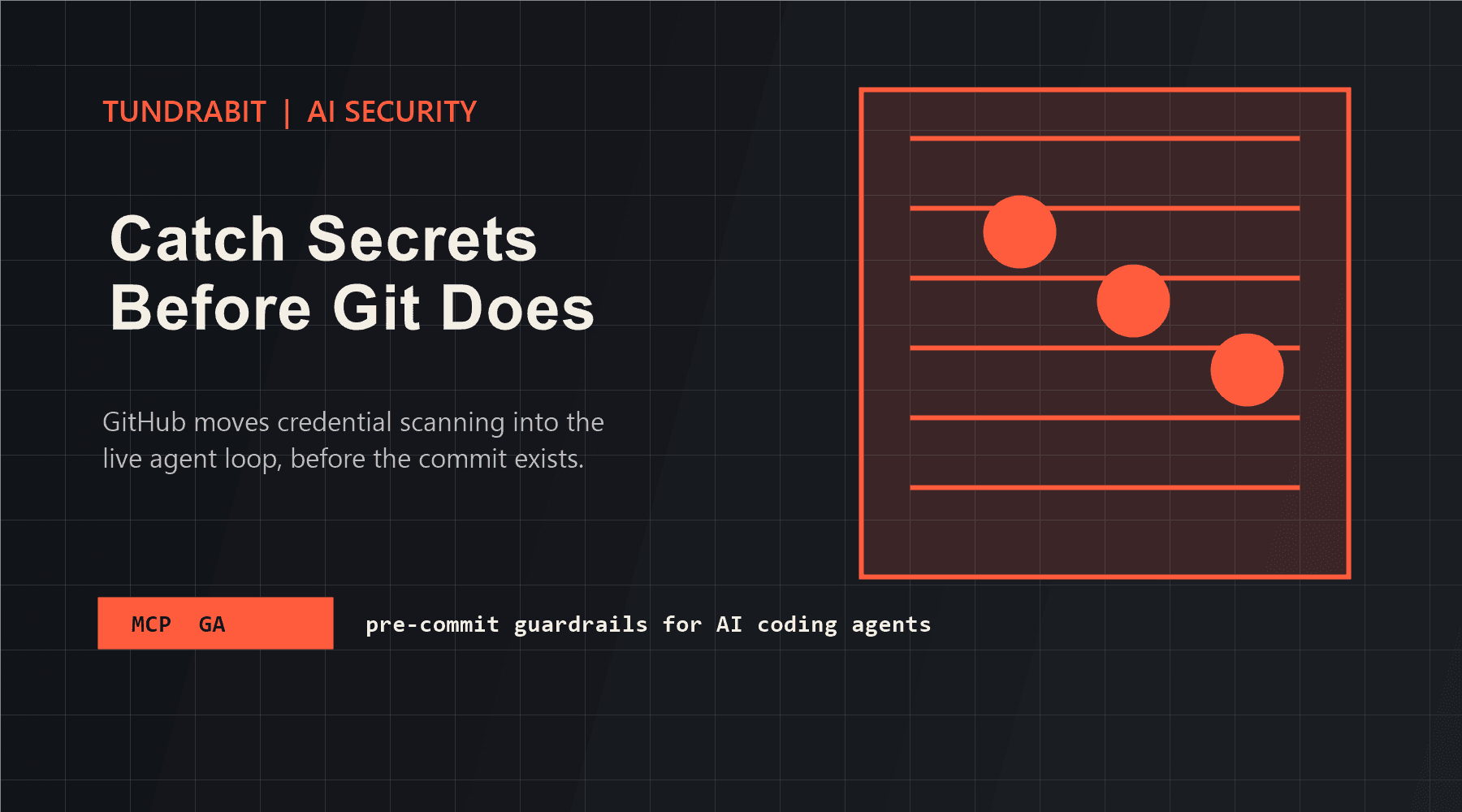
GitHub's new generally available MCP secret scanning turns credential leaks into a live coding-time problem instead of a post-commit cleanup job. That is exactly where AI agents need security guardrails.
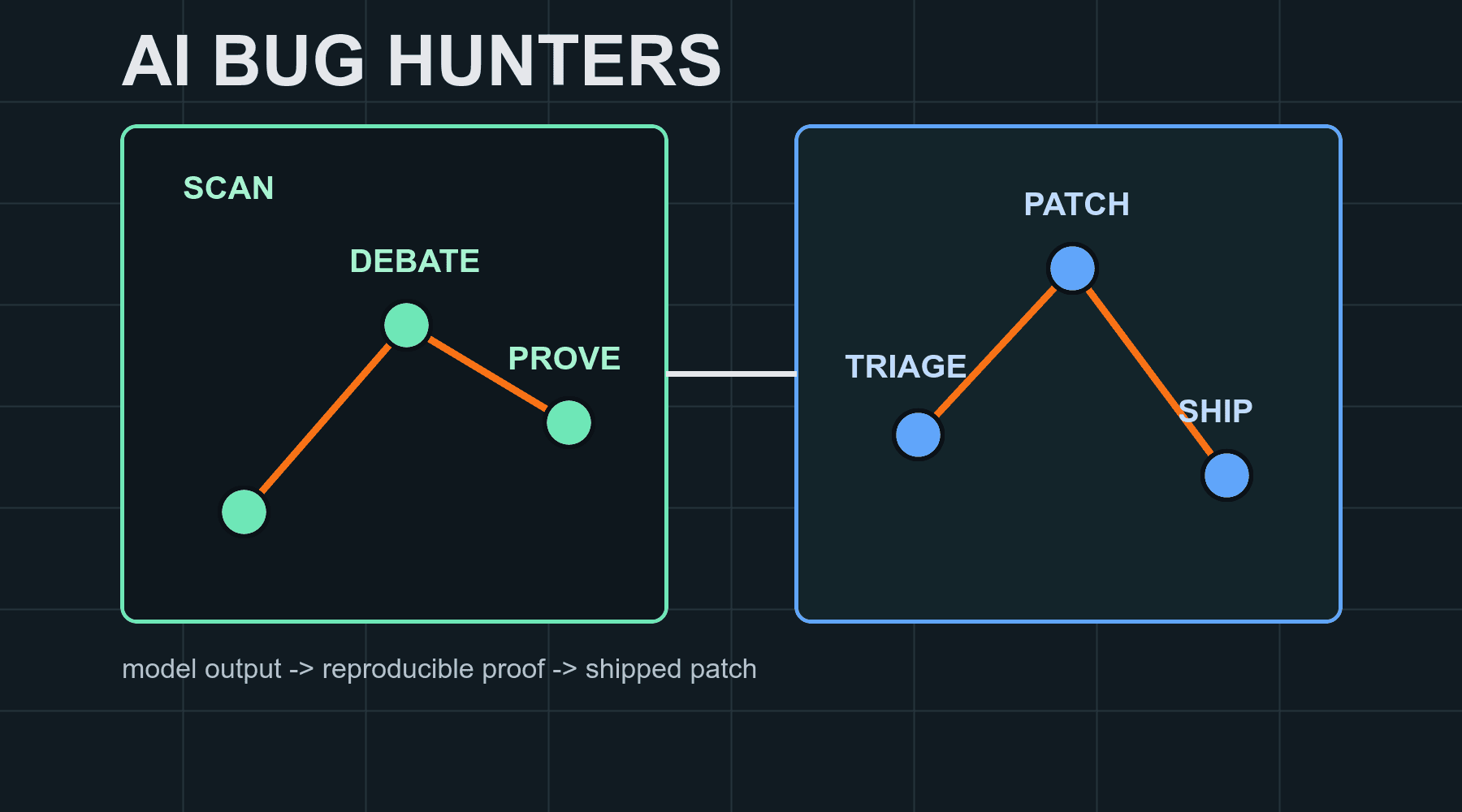
Microsoft and Mozilla have both shown that AI vulnerability discovery works best as a pipeline, not a magic model. The next security advantage belongs to teams that can turn model output into proven fixes.
Malta's new national deal with OpenAI previews how governments may package AI access: not as an app subsidy alone, but as civic infrastructure tied to literacy, identity, and labor policy.
Calif says Anthropic’s Mythos Preview helped its researchers build a working macOS kernel exploit in five days, showing how expert teams can use frontier AI to move faster against hard security problems.
The Musk v. Altman trial is not just a fight over OpenAI’s past. It is a preview of the governance problem every frontier AI lab will have to solve as the technology accelerates.
ROCm 7.13 adds support for AMD’s Instinct MI350P and more Ryzen AI chips, pointing toward a bigger shift: AI acceleration is becoming a full-stack software problem, not just a GPU spec sheet.
New benchmark results suggest frontier AI agents are no longer limited to spotting vulnerabilities. Some can turn real software flaws into working exploits.
AI coding agents are changing the rhythm of software development, and the tools built for human-paced commits, pull requests, and reviews are starting to show strain.